Introduction
Healthcare facilities encounter a significant challenge in managing biohazardous waste, especially concerning needle disposal. Stringent regulations from organizations such as OSHA and the EPA heighten the importance of compliance and safety. This article explores best practices for biohazard needle disposal, providing healthcare providers with essential insights to improve operational safety and environmental responsibility.
How can facilities effectively navigate the complexities of needle disposal while ensuring the safety of their staff and patients?
Understand Biohazard Needle Disposal Regulations
Healthcare facilities are required to adhere to a range of regulations concerning biohazard needle disposal, which include the [OSHA Bloodborne Pathogens Standard](https://superiorwastedisposal.com), EPA guidelines, and state-specific laws. Understanding these regulations is essential for and operational safety.
OSHA Bloodborne Pathogens Standard: This standard requires that all sharps be disposed of in puncture-resistant containers, significantly reducing the risk of needlestick injuries. Compliance is critical, as violations can result in substantial penalties. This underscores the importance of proper training and the implementation of safety protocols, particularly biohazard needle disposal, within healthcare settings.
EPA Guidelines: The Environmental Protection Agency provides guidelines for the appropriate handling of medical waste, recommending methods such as incineration or autoclaving to prevent environmental contamination. Healthcare facilities must stay updated on the latest EPA guidelines, particularly with new regulations anticipated in 2026 that may further refine waste management practices.
State Regulations: Each state may impose additional requirements, including specific labeling, container types, and waste management methods. For instance, states like California and Minnesota have stringent definitions and classifications for medical waste, necessitating regular reviews and adherence checks by healthcare providers.
By comprehensively understanding and implementing these regulations, healthcare providers can formulate effective waste management strategies that protect their staff and the environment, thereby enhancing both operational safety and compliance.

Implement Safe Needle Disposal Procedures
To implement safe needle disposal procedures, healthcare facilities must adhere to several best practices:
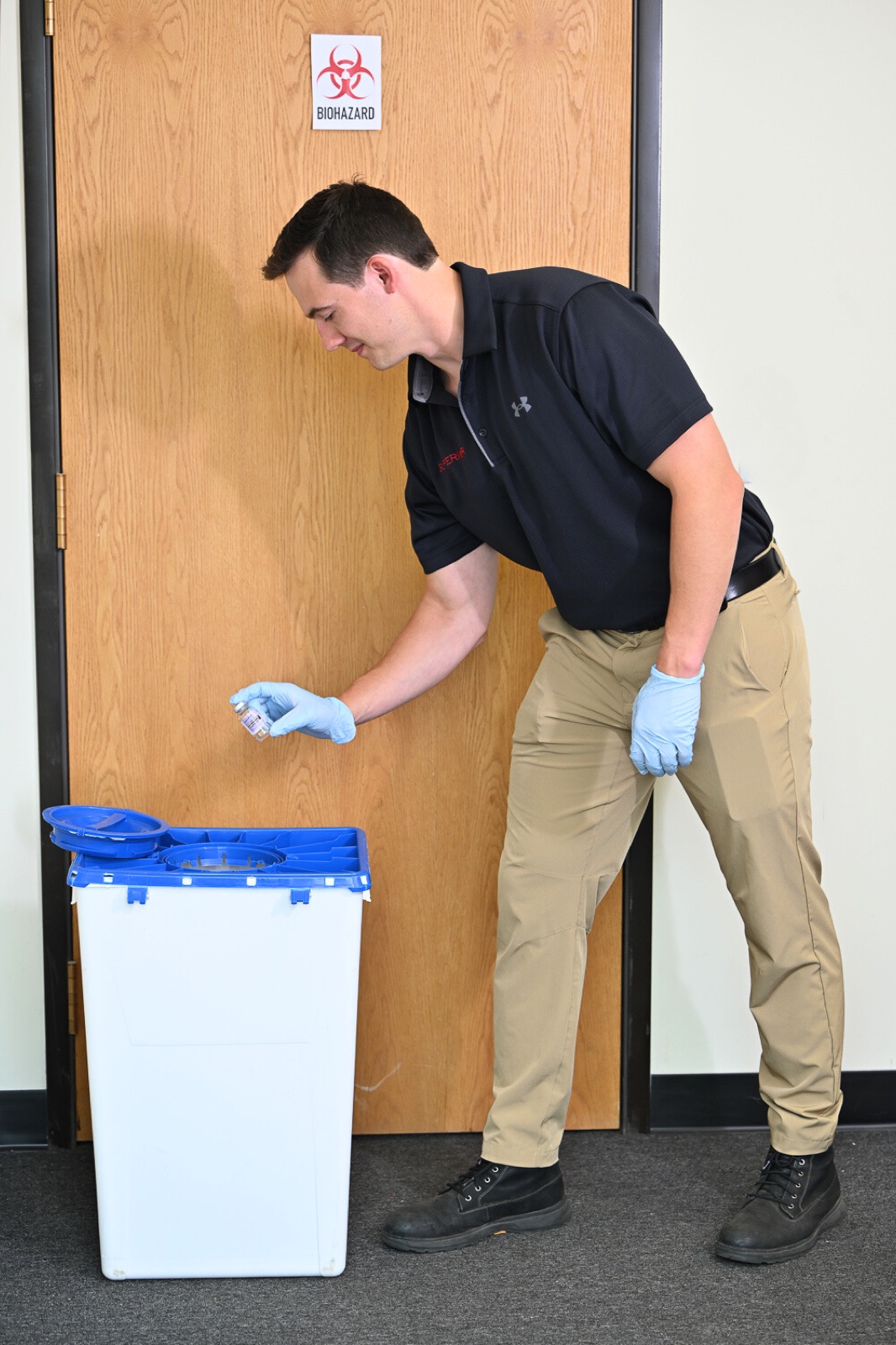
- Use : All used needles should be placed in FDA-approved, puncture-resistant containers immediately after use. These containers are specifically designed to minimize the risk of needlestick injuries, which occur at alarming rates-approximately 320,000 injuries annually among healthcare workers.
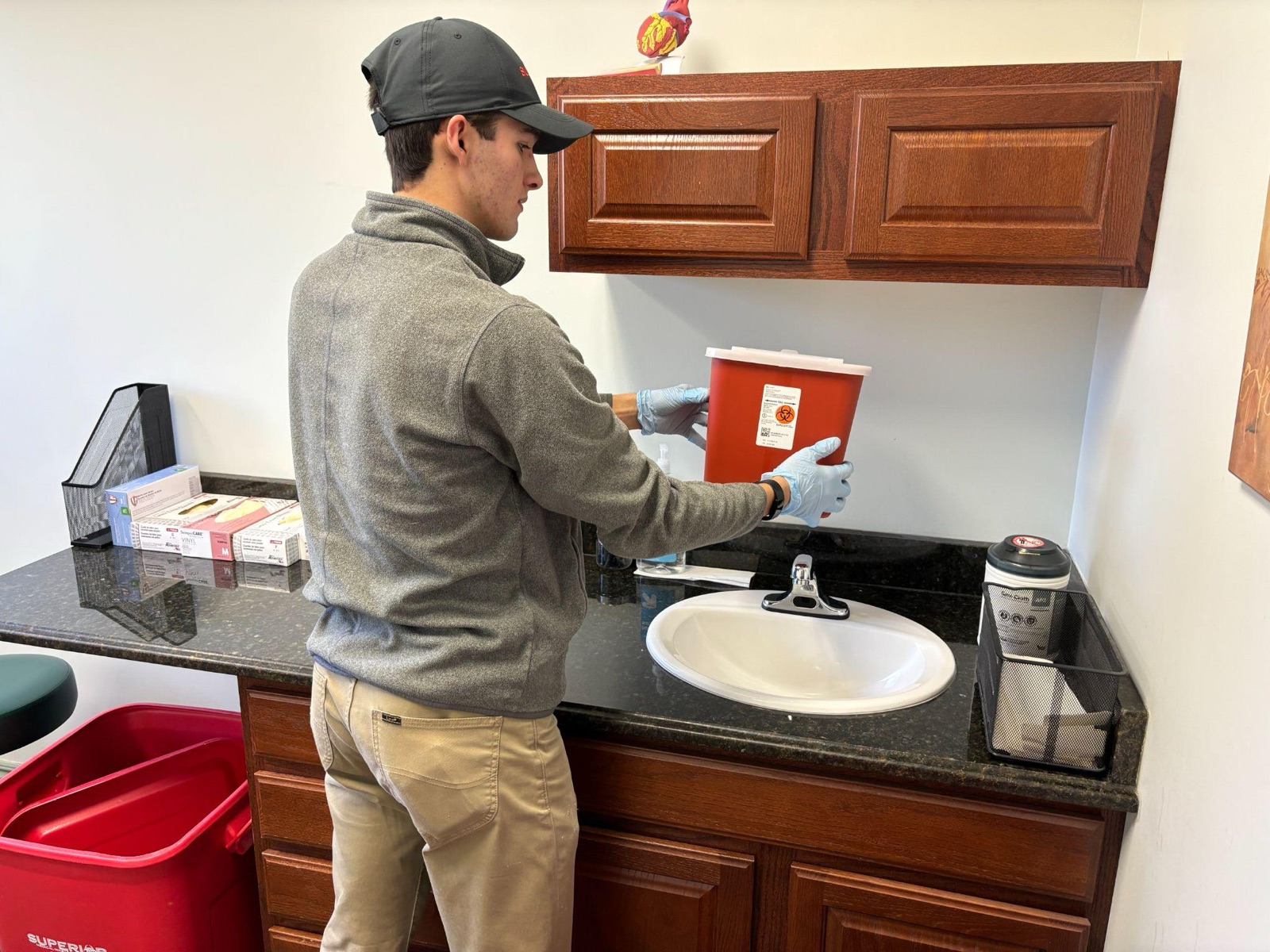
- Strategic Placement of Containers: Sharps containers must be positioned in easily accessible locations near areas where needles are used, such as exam rooms and treatment areas. This proximity encourages appropriate handling and reduces the chances of incidents that can arise from transporting used needles over long distances.
- Regular Monitoring and Maintenance: It is essential to assign staff to routinely check and replace full containers to prevent overfilling, a common cause of injuries. Facilities that have implemented regular monitoring have reported a significant reduction in container-associated injuries, with one study indicating an 81% decrease after introducing enhanced safety containers.
- Clear Labeling: All sharps containers should be prominently labeled with biohazard symbols. This clear identification informs staff and visitors of potential hazards, underscoring the importance of safe waste management practices.
By adhering to these procedures, healthcare facilities can significantly reduce the risk of needlestick injuries and ensure compliance with OSHA regulations, ultimately fostering a safer environment for both staff and patients through proper biohazard needle disposal.

Train Staff on Safe Disposal Practices
Effective training on safe disposal practices should encompass several key components:
- Regular Training Sessions: Mandatory training for all staff on the proper handling and disposal of sharps is essential. This training should include to maintain compliance. According to the CDC, approximately 385,000 needlestick injuries occur each year among US healthcare workers, with around 62% being preventable through proper sharps management practices. Superior Medical Waste Disposal emphasizes the importance of adhering to state and federal regulations to ensure safety and compliance in medical waste management.
- Hands-On Demonstrations: Practical demonstrations are crucial for showing the proper use of sharps containers. Highlighting the importance of prompt removal after use can significantly mitigate risks. Compliance is not optional; it is a legal requirement as outlined in the Health and Safety at Work Act 1974. Superior Medical Waste Disposal offers specialized sharps collection and biohazard needle disposal services, utilizing advanced containers for secure handling and disposal.
- Emergency Procedures: Staff must be equipped with knowledge on how to respond to needlestick injuries. This includes clear reporting protocols and first aid measures to minimize health risks. The potential legal, financial, and reputational damage from non-compliance with medical waste regulations underscores the importance of this training. Superior Medical Waste Disposal ensures that establishments are prepared to handle such incidents effectively.
- Feedback Mechanism: Fostering a culture of continuous improvement is vital. Encouraging staff to share feedback on waste management practices and any challenges encountered can lead to enhanced safety protocols.
By prioritizing comprehensive training, healthcare organizations can significantly enhance staff awareness and compliance, creating a safer environment for both employees and patients.

Collaborate with Professional Waste Management Services
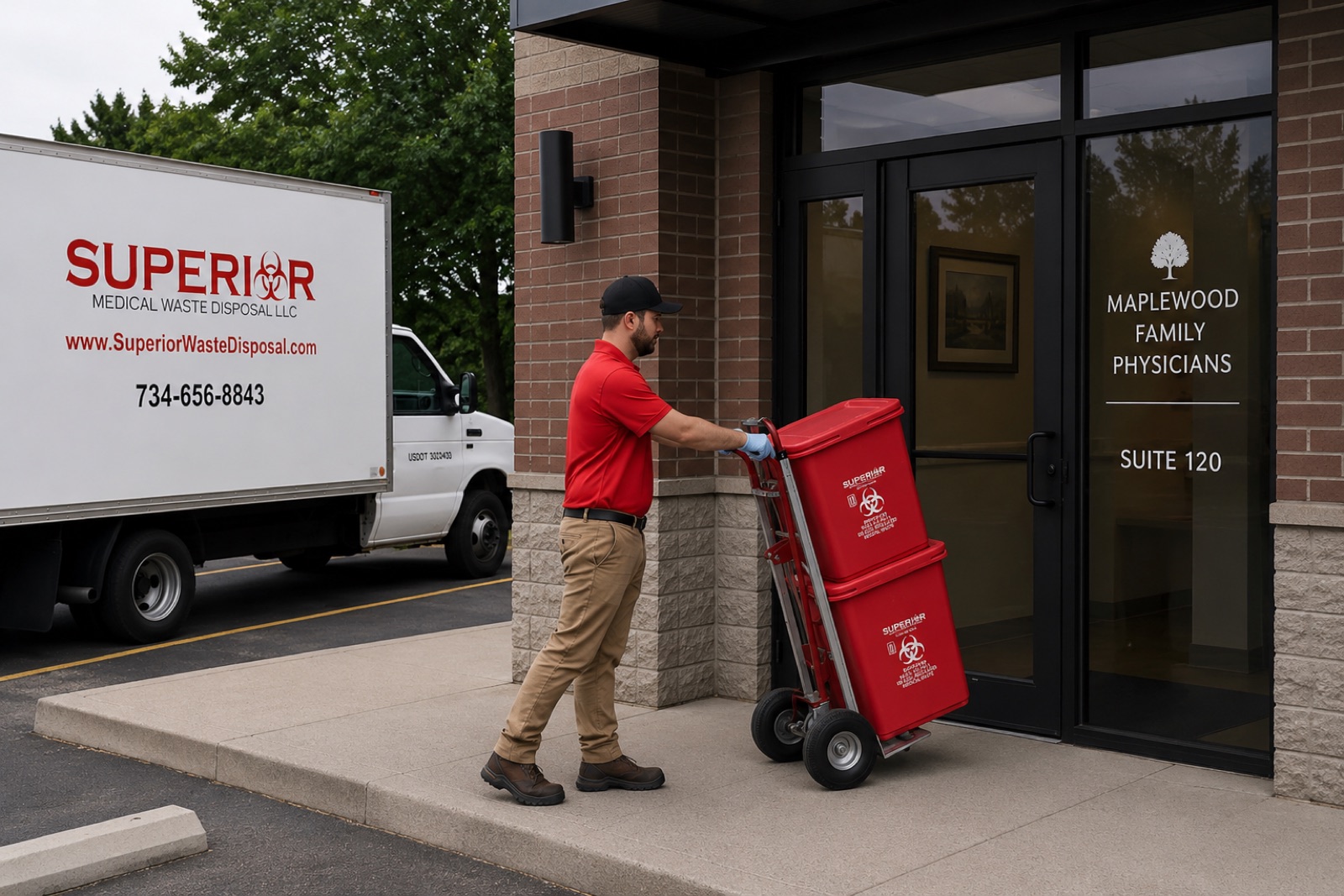
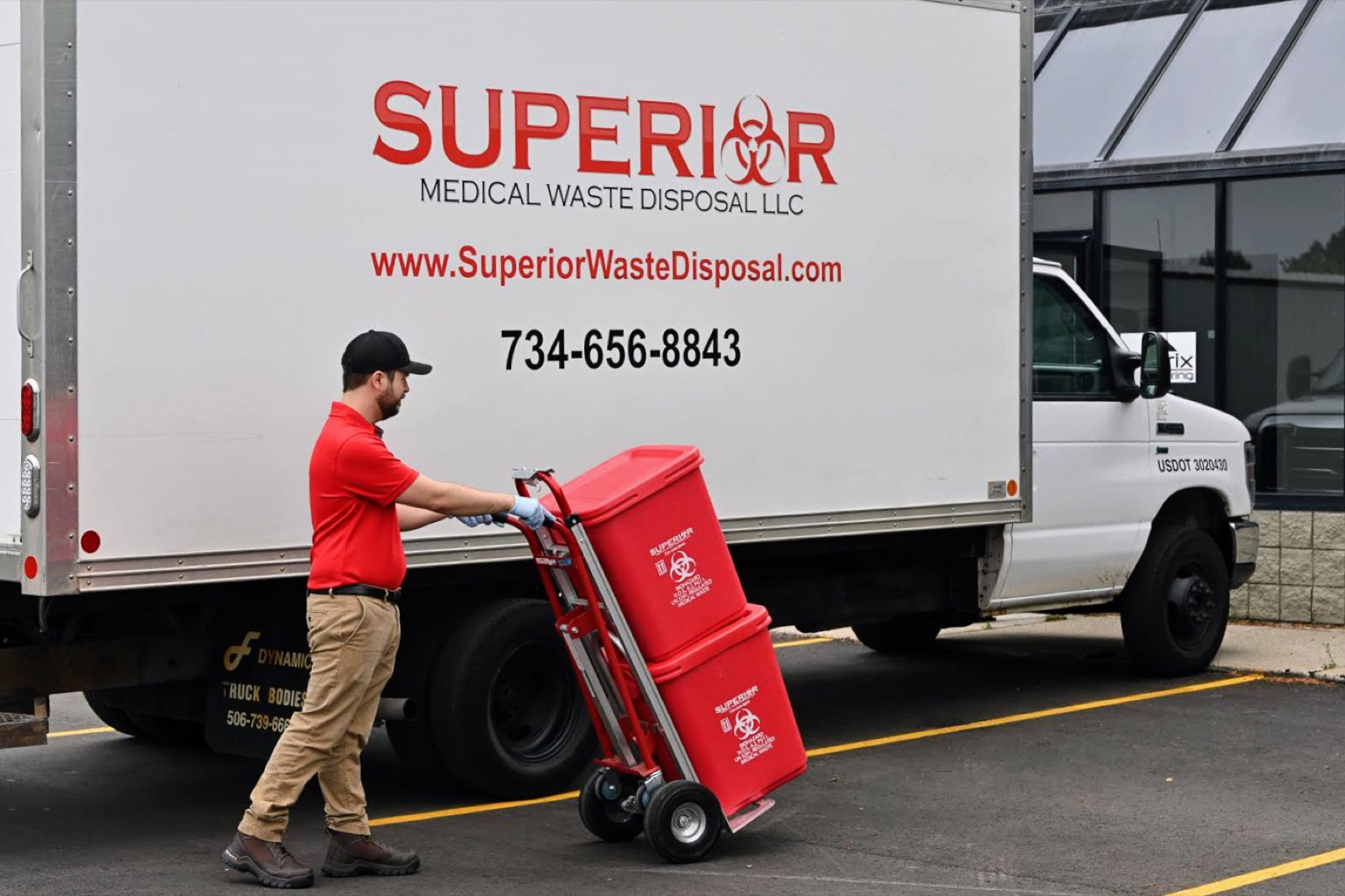
Collaborating with Superior Medical Waste Disposal significantly enhances the safety and efficiency of biohazard needle disposal in healthcare settings. This partnership offers several key advantages:
- Expertise in Compliance: Superior Medical Waste Disposal has extensive knowledge of the latest regulations, ensuring that your facility complies with all local, state, and federal laws. This expertise is vital, as non-compliance with biohazard needle disposal regulations can result in severe penalties, with fines reaching up to $15,625 per violation under OSHA. Our collaborations with prominent organizations further bolster our compliance efforts, providing reliable guidance on the proper separation, packaging, and labeling of biohazardous materials, which is essential for both regulation and safety.
- [Customized Waste Management Plans](https://www.superiorwastedisposal.com/?p=1078): We provide tailored solutions that address the unique needs of your facility. This includes regular pickups, emergency services, and specific protocols for various categories of medical materials, all of which can streamline operations and enhance compliance.
- Training and Support: Our comprehensive refuse management services include thorough training for your staff on safe disposal methods and the importance of compliance. This training is crucial, as OSHA mandates initial biohazard disposal training upon hiring and annual refreshers for employees with potential exposure. We ensure that our training aligns with our partnerships, . Additionally, facilities should maintain detailed records, including biohazard needle disposal manifests and training documentation, to ensure accountability and compliance.
- Environmental Responsibility: Partnering with Superior Medical Waste Disposal guarantees that your biohazardous waste is disposed of in an environmentally responsible manner. This not only reduces your establishment’s ecological footprint but also meets the growing sustainability expectations within the healthcare sector. Regular internal audits, supported by our partnerships, should be conducted to identify compliance gaps and mitigate legal risks associated with non-compliance.
By leveraging the expertise of Superior Medical Waste Disposal, healthcare facilities can significantly enhance their waste disposal processes, ensuring a safer environment for both staff and patients.

Conclusion
Healthcare facilities bear the critical responsibility of ensuring safe and compliant biohazard needle disposal. By understanding and adhering to a multitude of regulations, including OSHA standards and EPA guidelines, these institutions can significantly reduce the risks associated with needlestick injuries and environmental contamination. Implementing best practices – such as utilizing FDA-cleared sharps containers and providing comprehensive staff training – establishes a foundation for a safer healthcare environment.
Key arguments highlight the importance of strategic container placement, regular monitoring, and clear labeling to enhance safety protocols. Furthermore, collaborating with professional waste management services, such as Superior Medical Waste Disposal, provides invaluable expertise in compliance and tailored solutions that streamline operations while ensuring environmental responsibility. Integrating these practices not only safeguards healthcare workers and patients but also fosters a culture of safety and accountability.
Recognizing the significance of effective biohazard needle disposal is essential for the overall health and safety of healthcare environments. By prioritizing adherence to regulations, investing in staff education, and leveraging expert partnerships, healthcare facilities can establish a sustainable model for waste management that meets both regulatory requirements and the increasing demand for environmental stewardship. Taking decisive action now will lead to safer practices and a healthier future for all involved.
Frequently Asked Questions
What are the main regulations governing biohazard needle disposal in healthcare facilities?
Healthcare facilities must adhere to the OSHA Bloodborne Pathogens Standard, EPA guidelines, and state-specific laws regarding biohazard needle disposal.
What does the OSHA Bloodborne Pathogens Standard require for needle disposal?
The OSHA Bloodborne Pathogens Standard requires that all sharps, including needles, be disposed of in puncture-resistant containers to reduce the risk of needlestick injuries.
What are the potential consequences of violating the OSHA regulations?
Violations of the OSHA regulations can result in substantial penalties, highlighting the importance of proper training and safety protocols in healthcare settings.
What guidelines does the EPA provide for medical waste handling?
The EPA recommends methods such as incineration or autoclaving for the appropriate handling of medical waste to prevent environmental contamination.
Are there upcoming changes to EPA regulations on medical waste?
Yes, new EPA regulations are anticipated in 2026, which may further refine waste management practices.
How do state regulations on biohazard needle disposal vary?
State regulations may impose additional requirements, including specific labeling, container types, and waste management methods, with states like California and Minnesota having particularly stringent definitions and classifications for medical waste.
Why is it important for healthcare providers to understand and implement these regulations?
Understanding and implementing these regulations is essential for formulating effective waste management strategies that protect staff and the environment, thereby enhancing operational safety and compliance.