best practices for managing regulated waste in healthcare facilities

Best Practices for Managing Regulated Waste in Healthcare Facilities

Introduction

Understanding the complexities of regulated medical waste (RMW) is crucial for healthcare facilities that aim to protect public health and the environment. As regulations evolve and compliance becomes increasingly important, medical professionals must adeptly navigate the various waste categories, including sharps and biohazardous materials.

The challenge lies in determining how healthcare facilities can effectively implement best practices that not only ensure safety but also promote sustainability. This article explores essential strategies for managing regulated waste, emphasizing the significance of:

  • Staff training
  • Compliance education
  • Innovative disposal methods

These approaches can transform waste management into a proactive and responsible practice.

Understand Regulated Medical Waste: Definitions and Categories

Regulated waste includes materials that pose significant risks to public health and the environment. Understanding the primary categories of RMW is crucial for effective management:

  1. Sharps: This category includes items such as needles, blades, and broken glass, which can puncture or cut skin, posing injury risks to healthcare workers and patients.
  2. Biohazardous Waste: Materials contaminated with blood or other bodily fluids fall under this category. This includes cultures and stocks of infectious agents that can transmit diseases if not handled properly.
  3. Pharmaceutical Waste: Expired or unused medications require special handling to prevent environmental contamination and ensure safe disposal.
  4. Hazardous Waste: This includes waste that poses risks due to its chemical properties, such as certain laboratory chemicals that can be toxic or reactive.

Proper comprehension and oversight of these categories are essential for effective segregation, handling, and disposal of regulated waste. This approach not only mitigates the risks associated with improper disposal but also ensures compliance with evolving regulations. As of 2025, revisions to sharp and biohazardous material handling practices underscore the necessity for strict segregation protocols, with approximately 60% of medical facilities currently adhering to these standards. Successful supervision examples include the implementation of color-coded containers for refuse segregation and regular training sessions for staff on the importance of following these practices. Health professionals stress that understanding controlled clinical refuse is vital for ensuring safety and compliance within medical environments, highlighting the critical role of education in fostering a culture of accountability regarding refuse management.

The central node represents regulated medical waste, while the branches show different categories. Each category highlights specific items and risks, helping you understand the importance of proper waste management.

Implement Effective Management Strategies for Medical Waste Disposal

To effectively manage regulated medical waste, healthcare facilities should adopt several key strategies:

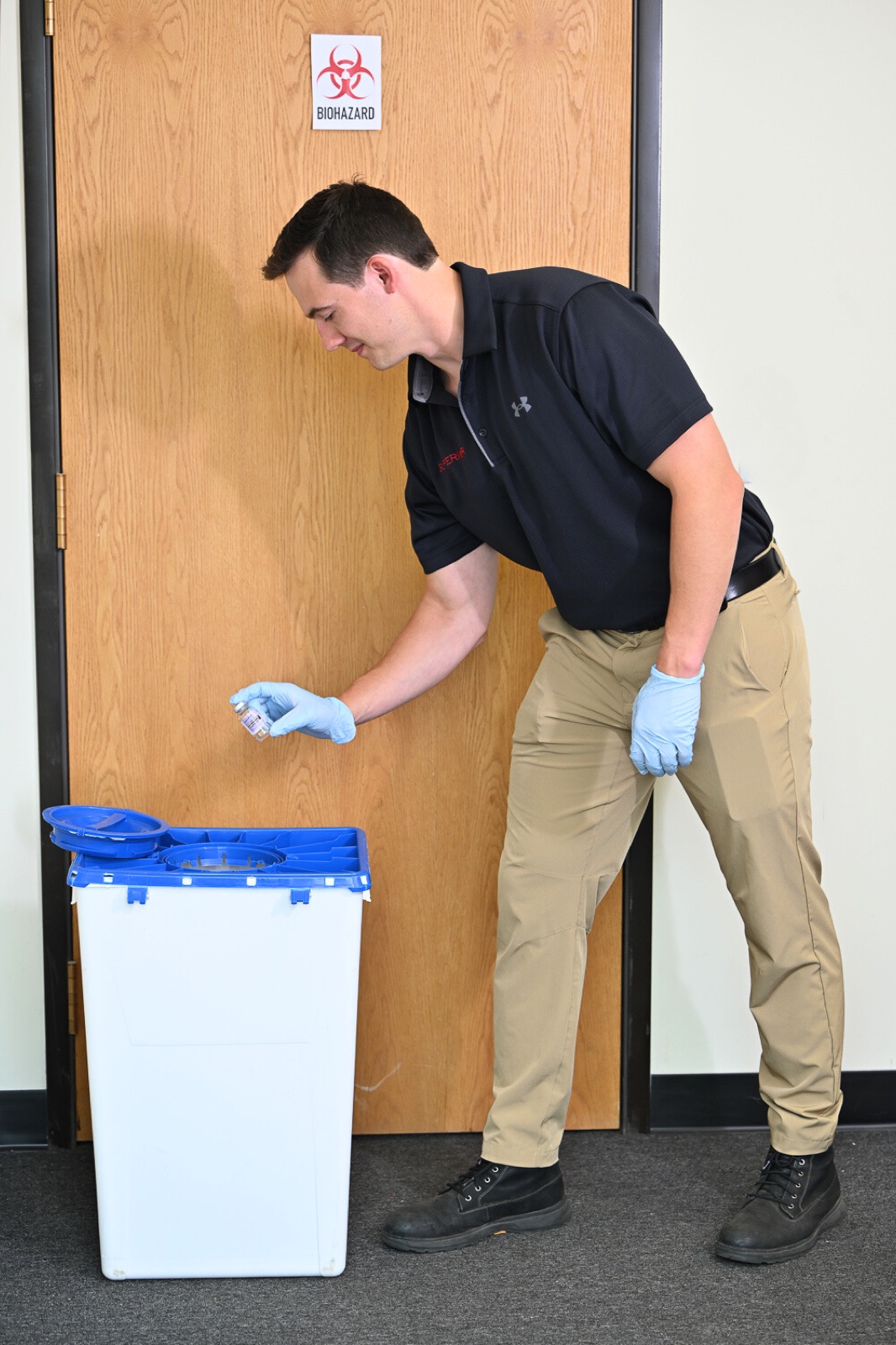
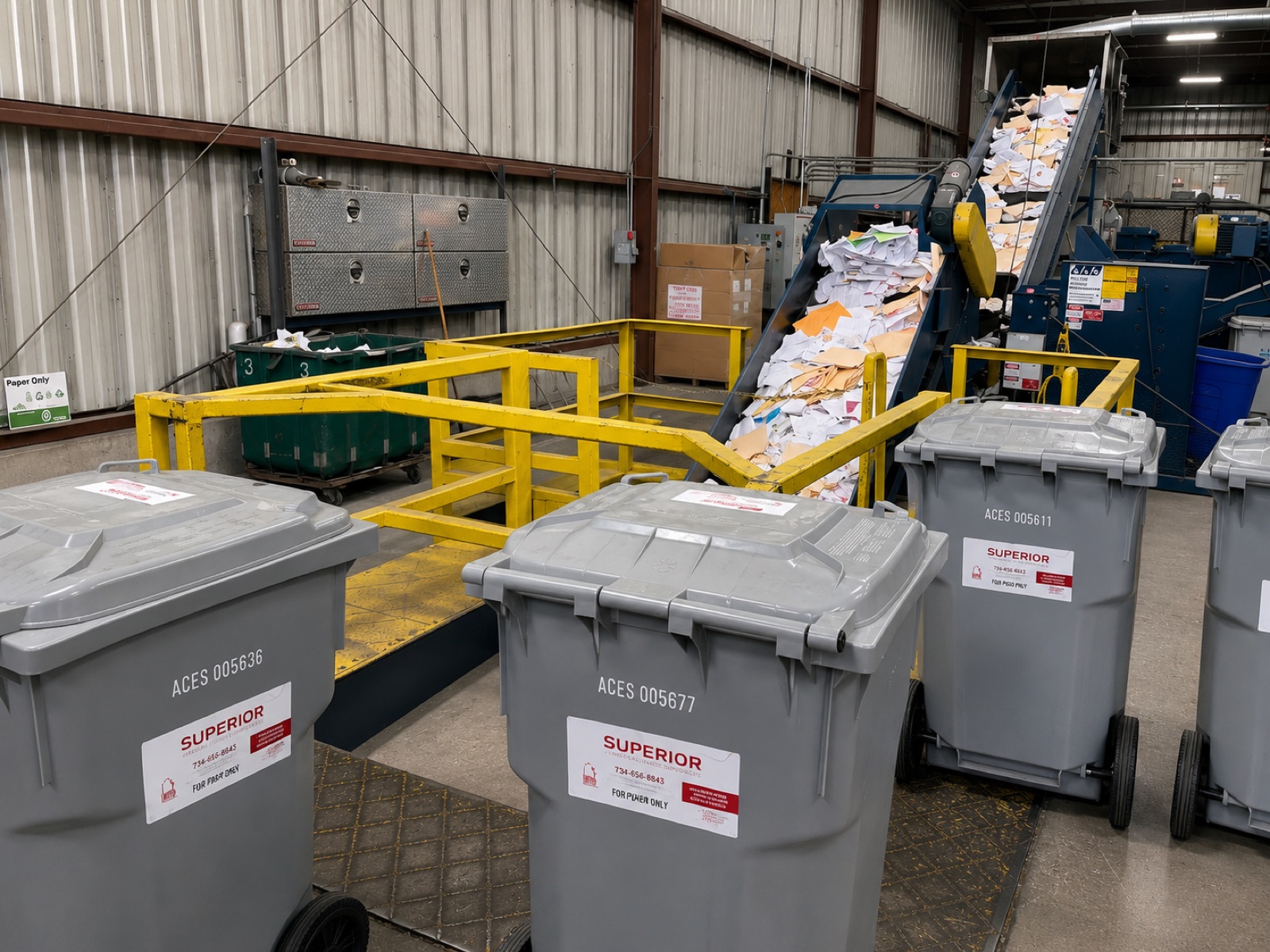
  1. Segregation: A stringent segregation policy is essential to ensure that various types of refuse are disposed of in designated containers. Utilizing color-coded bins significantly enhances proper sorting and reduces the risk of cross-contamination. Research indicates that facilities with efficient segregation practices can experience up to a 50% decrease in red-bag materials, underscoring the importance of staff training and clear signage.

  2. Routine Assessments: Conducting routine assessments of refuse handling practices is crucial for identifying areas that require improvement and ensuring compliance with state and federal regulations. Recent audits reveal that over 60% of healthcare facilities lack adequate disposal segregation systems, highlighting the necessity for continuous evaluation and modification of disposal protocols.

  3. Partnerships with Licensed Vendors: Collaborating with certified disposal companies that specialize in medical refuse management is vital for ensuring safe and compliant disposal methods. Facilities that partner with reputable suppliers can enhance their operational efficiency and mitigate risks associated with improper disposal.

  4. Documentation: Maintaining accurate records of refuse generation, disposal methods, and compliance with regulations is essential for facilitating audits and inspections. Comprehensive documentation not only supports regulatory compliance for regulated waste but also aids in tracking improvements over time.

These strategies not only enhance safety but also promote operational efficiency and regulatory compliance, ultimately contributing to a safer medical environment.

The central node represents the overall goal of effective waste management, while each branch shows a specific strategy. Sub-branches provide additional details, helping you understand the importance of each approach.

Prioritize Staff Training and Compliance Education

Effective training programs are crucial for equipping healthcare staff with the necessary knowledge to manage controlled medical materials. A successful training program should include several key components:

  1. Initial Training: New employees must undergo comprehensive training on the various types of regulated waste, such as sharps, biohazardous materials, and pharmaceuticals, along with the proper handling and disposal procedures.

  2. Ongoing Education: Regular refresher courses are essential to keep staff updated on the latest regulations and best practices, especially as compliance requirements evolve.

  3. Hands-On Training: Integrating practical training sessions into the program allows staff to engage in refuse segregation and disposal techniques within a controlled environment, reinforcing their skills effectively.

  4. Assessment and Feedback: Continuous assessment of staff understanding through quizzes and practical evaluations is vital. Providing constructive feedback not only reinforces learning but also addresses any gaps in knowledge.

By prioritizing these training elements, medical facilities can significantly mitigate the risks associated with the improper disposal of regulated waste, enhance safety protocols, and ensure compliance with regulatory standards. This commitment to continuous learning fosters a culture of safety and aligns with the latest trends in compliance within the medical field, underscoring the essential role of well-trained personnel in effective disposal practices.

The central node represents the overall focus on training, while each branch highlights a crucial aspect of the training program. Follow the branches to see how each component contributes to effective staff education and compliance.

Enhance Safety and Sustainability through Proper Waste Disposal

To enhance safety and sustainability in medical waste management, healthcare facilities should adopt several best practices:

  • Eco-Friendly Disposal Methods: Healthcare facilities should explore alternative disposal methods, such as autoclaving, which is the preferred treatment method for regulated medical waste (RMW) in Ohio. Autoclaving significantly reduces environmental impact compared to traditional incineration. Additionally, contemporary waste-to-energy (WtE) facilities can diminish refuse volume by up to 90% while producing usable energy, employing advanced emission control systems to ensure cleaner and more efficient refuse processing.

  • Resource Minimization: Implementing strategies to reduce resource generation is crucial. For instance, optimizing inventory management can help decrease the number of expired supplies. With healthcare institutions producing approximately 5.9 million tons of clinical refuse each year, efficiently reducing this refuse is essential for safeguarding public health and the environment.

  • Recycling Programs: Establishing recycling initiatives for non-hazardous materials can redirect refuse from landfills and promote sustainability. Transitioning to reusable sharps containers, for example, can significantly decrease environmental impact and costs associated with single-use products, demonstrating a practical application of recycling strategies.

  • Community Engagement: Engaging with the local community is vital to raise awareness of safe disposal practices and the significance of proper healthcare refuse handling. Ongoing education and training initiatives for stakeholders are essential, as cooperation among medical professionals, waste management providers, and regulatory bodies is necessary to effectively address the challenges of medical waste disposal.

By adopting these practices, healthcare facilities can improve safety, ensure compliance with Ohio EPA regulations, and contribute to a more sustainable future.

The central node represents the main goal of enhancing safety and sustainability. Each branch shows a key area of focus, with further details on specific practices that contribute to that area.

Conclusion

Effective management of regulated medical waste (RMW) is crucial for protecting public health and the environment in healthcare facilities. By recognizing the different categories of waste and adhering to best practices – such as strict segregation, regular assessments, and comprehensive staff training – healthcare providers can significantly reduce the risks linked to improper disposal. This commitment not only improves safety and compliance but also cultivates a culture of accountability among staff.

Key strategies include:

  1. Implementing color-coded segregation systems
  2. Conducting regular evaluations of waste handling practices
  3. Forming partnerships with licensed disposal vendors

Furthermore, continuous education and training for healthcare personnel ensure that staff stay updated on the latest regulations and disposal techniques. These initiatives lead to a more efficient waste management process while meeting evolving regulatory requirements.

Ultimately, the pursuit of proper waste disposal practices in healthcare facilities transcends mere compliance; it aims to positively influence community health and environmental sustainability. By adopting eco-friendly disposal methods, minimizing resource generation, and actively engaging with the community, healthcare facilities can set a standard for responsible waste management. Embracing these best practices will enhance operational efficiency and promote a safer, more sustainable future for all.

Frequently Asked Questions

What is regulated medical waste (RMW)?

Regulated medical waste includes materials that pose significant risks to public health and the environment, requiring careful management and disposal.

What are the main categories of regulated medical waste?

The main categories of regulated medical waste are: – Sharps: Items like needles, blades, and broken glass that can cause injuries. – Biohazardous Waste: Materials contaminated with blood or bodily fluids, including infectious agents. – Pharmaceutical Waste: Expired or unused medications that need special handling. – Hazardous Waste: Waste with chemical properties that can be toxic or reactive.

Why is it important to understand the categories of regulated medical waste?

Understanding these categories is essential for effective segregation, handling, and disposal of regulated waste, which helps mitigate risks and ensures compliance with regulations.

What changes are expected in the handling practices of sharps and biohazardous materials by 2025?

Revisions to handling practices will emphasize strict segregation protocols for sharps and biohazardous materials.

How many medical facilities currently adhere to the standards for waste segregation?

Approximately 60% of medical facilities currently adhere to the standards for waste segregation.

What are some successful practices in managing regulated medical waste?

Successful practices include the implementation of color-coded containers for waste segregation and regular training sessions for staff on proper waste management.

What role does education play in regulated medical waste management?

Education is critical for fostering a culture of accountability regarding refuse management, ensuring safety and compliance within medical environments.