Introduction
Laboratories play a crucial role in scientific discovery, yet they also produce a wide range of waste that presents distinct challenges. Effective management of lab waste disposal is not merely a regulatory obligation; it is vital for ensuring safety, safeguarding the environment, and upholding operational integrity. As the medical disposal management market is set for substantial growth, laboratories must adeptly navigate the complexities of waste classification, segregation, and compliance.
What strategies can facilities implement to improve their waste disposal processes, reduce risks, and adhere to evolving regulatory standards?
Identify and Classify Laboratory Waste Types
Laboratories produce various types of waste, including chemical, biological, radioactive, and sharps materials. Proper identification and classification are essential for safe lab waste disposal and ensuring regulatory compliance. Here are key steps for effective laboratory waste classification:
-
Understand Waste Categories: Familiarize yourself with the different categories of laboratory waste:
- Chemical Waste: This includes solvents, acids, and other hazardous materials that require careful handling to prevent environmental contamination.
- Biological Refuse: Comprising materials that may be infectious, such as cultures and specimens, this refuse poses significant health risks if not managed properly.
- Radioactive Waste: Involves materials emitting radiation, necessitating specialized disposal methods to ensure safety.
- Sharps Waste: Comprises needles, blades, and other sharp items that can cause injuries, requiring puncture-proof receptacles for safe disposal.
-
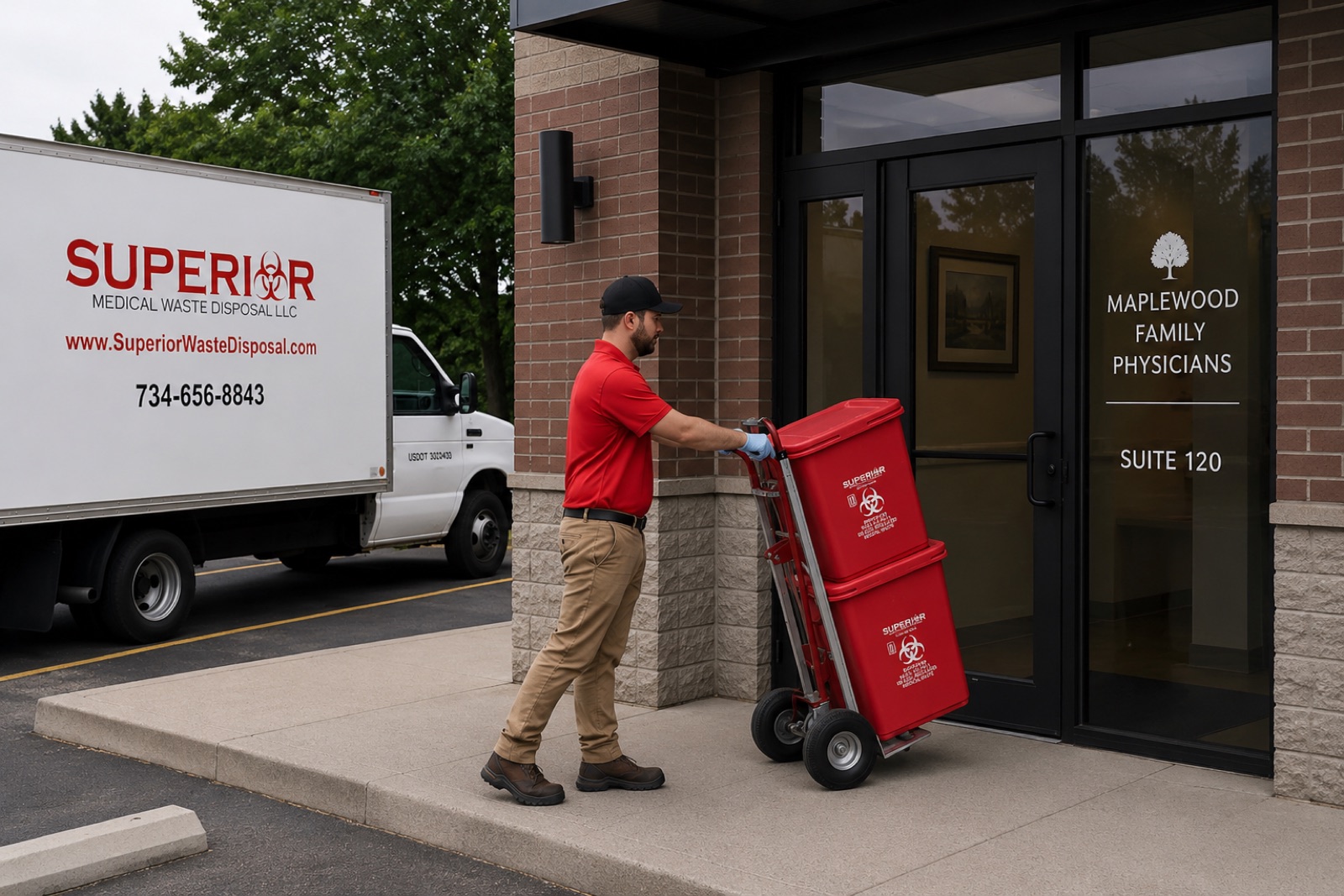
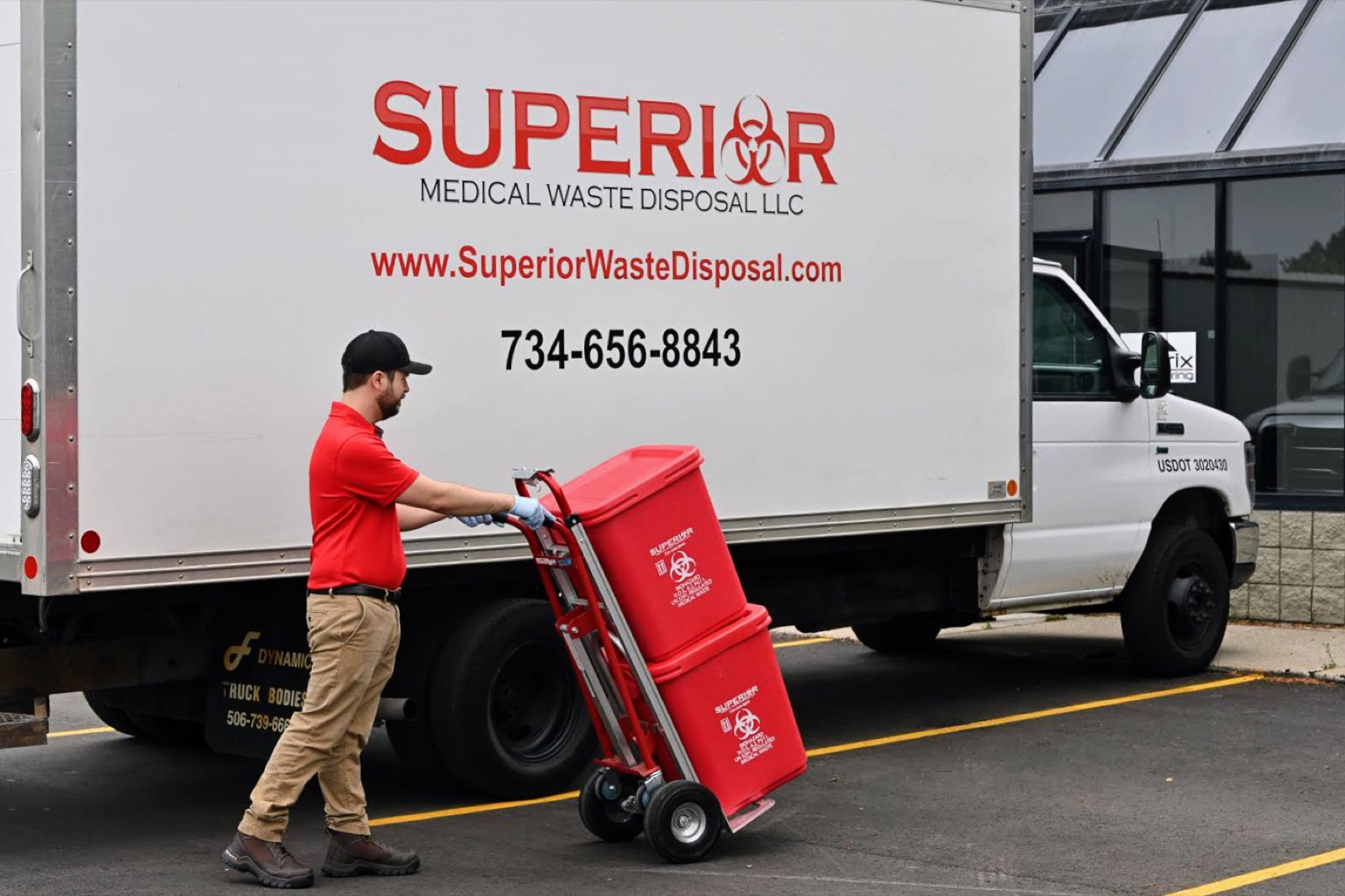
Utilize Color-Coding Systems: Implement a color-coded system for disposal bins to facilitate easy identification and compliance. For instance, red bins are designated for biohazardous materials, while yellow containers are used for sharps. This practice enhances safety and ensures adherence to OSHA and EPA regulations.
-
Train Staff: Regular training for personnel on disposal classification protocols is crucial to minimize errors and enhance safety. Ongoing education helps in adhering to changing regulations and fosters a culture of safety within the research environment.
By following these best practices, facilities can effectively manage their waste streams, ensuring compliance with local and national regulations while promoting safer lab waste disposal for a better working environment. As the medical disposal management market is expected to grow significantly, staying informed about the latest disposal techniques and regulatory changes is vital for all research operations.

Understand Regulatory Compliance and Legal Requirements
Adhering to regulatory standards is essential for laboratories managing hazardous materials. This commitment not only ensures safety but also enhances operational integrity. Here are key considerations:
-
Familiarize with Relevant Regulations: Understanding the regulations set forth by the Environmental Protection Agency (EPA) and the Occupational Safety and Health Administration (OSHA) is vital. These agencies outline specific protocols for managing and lab waste disposal, ensuring both safety and environmental protection.
-
Maintain Documentation: Accurate record-keeping of waste generation, disposal methods, and regulatory audits is crucial. Proper documentation serves as proof of compliance during inspections and helps prevent substantial penalties associated with non-compliance.
-
Stay Updated: Regulatory frameworks frequently change. Regularly checking for updates from the EPA and OSHA ensures that your facility adheres to the latest standards, thereby minimizing the risk of violations. For example, the EPA has recently postponed the effective date for several Final Rules until March 21, 2025, underscoring the importance of staying informed.
-
Engage with Regulatory Experts: Consulting with regulatory strategists or legal professionals can simplify the navigation of complex regulations. Their expertise aids facilities in avoiding costly violations and enhancing operational integrity. Organizations that prioritize regulatory adherence often report improved safety outcomes and reduced operational disruptions.
By concentrating on regulatory compliance, facilities can mitigate risks associated with hazardous material management and enhance their lab waste disposal processes, thereby bolstering their overall operational integrity.

Implement Effective Waste Segregation and Labeling Practices
Effective segregation and labeling of materials are critical components for ensuring proper lab waste disposal. By implementing best practices, facilities can significantly enhance safety and compliance.
-
Establish Segregation Protocols: It is essential to develop clear protocols for separating materials based on their type. For example, chemical refuse must be kept separate from biological materials to prevent hazardous reactions and contamination.
-
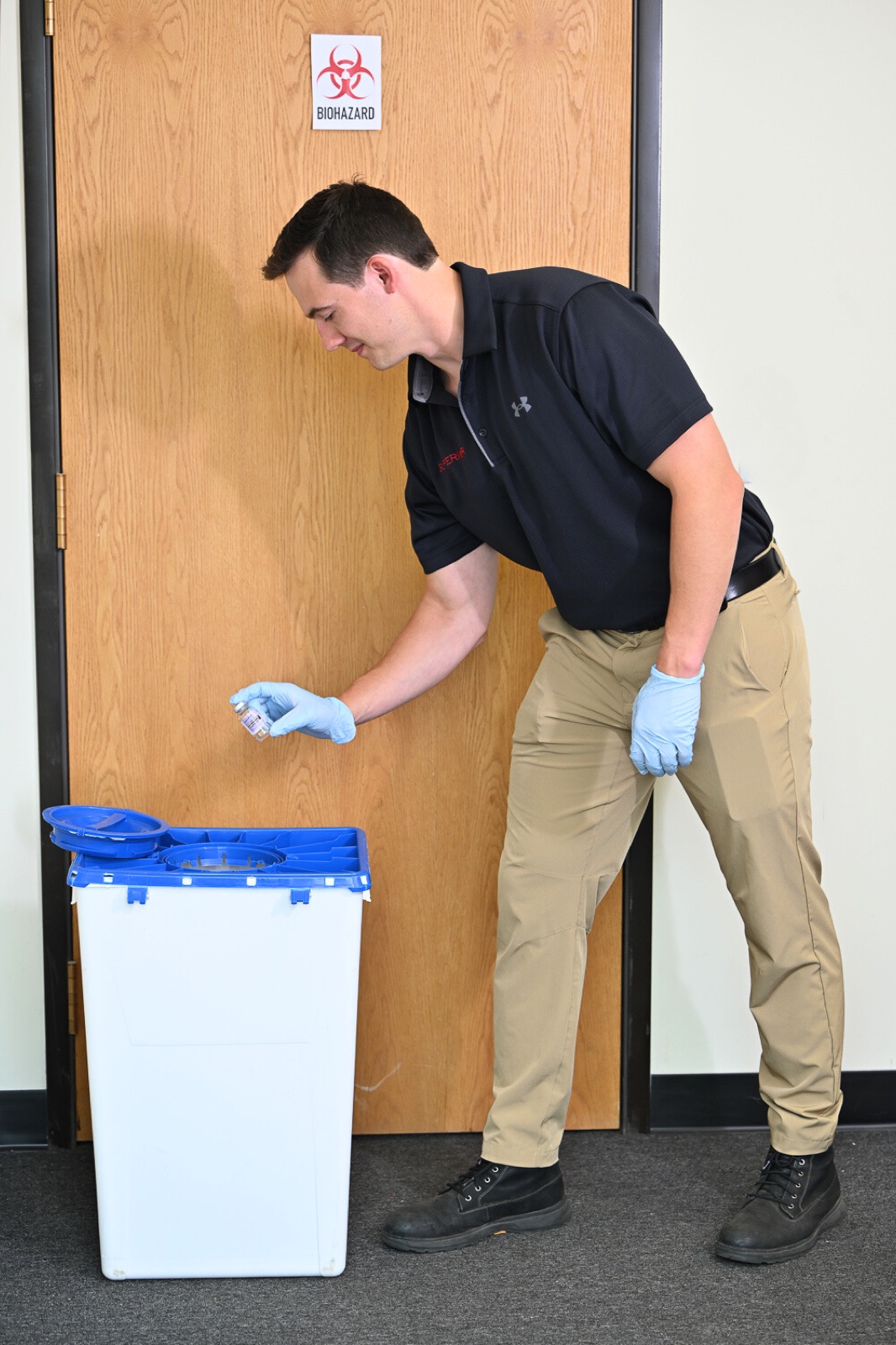
Use Clearly Labeled Containers: All disposal containers should be distinctly labeled with the type of material they contain. Labels must include appropriate hazard symbols and disposal instructions, guiding staff in safe handling practices. Proper labeling minimizes the risk of mismanagement and ensures compliance with regulatory standards.
-
Train Staff on Segregation Practices: Regular training sessions are vital for instructing personnel on the importance of refuse segregation and the proper procedures to follow. This ongoing education fosters a culture of safety and responsibility within the laboratory environment.
-
Conduct Regular Audits: Routine audits should be implemented to evaluate adherence to segregation protocols. These evaluations help identify areas needing improvement and underscore the importance of proper disposal practices.
By adopting these methods, facilities can effectively mitigate the risks associated with disposal, ensuring a safer working environment and compliance with environmental regulations.

Utilize Appropriate Waste Containers for Safe Disposal
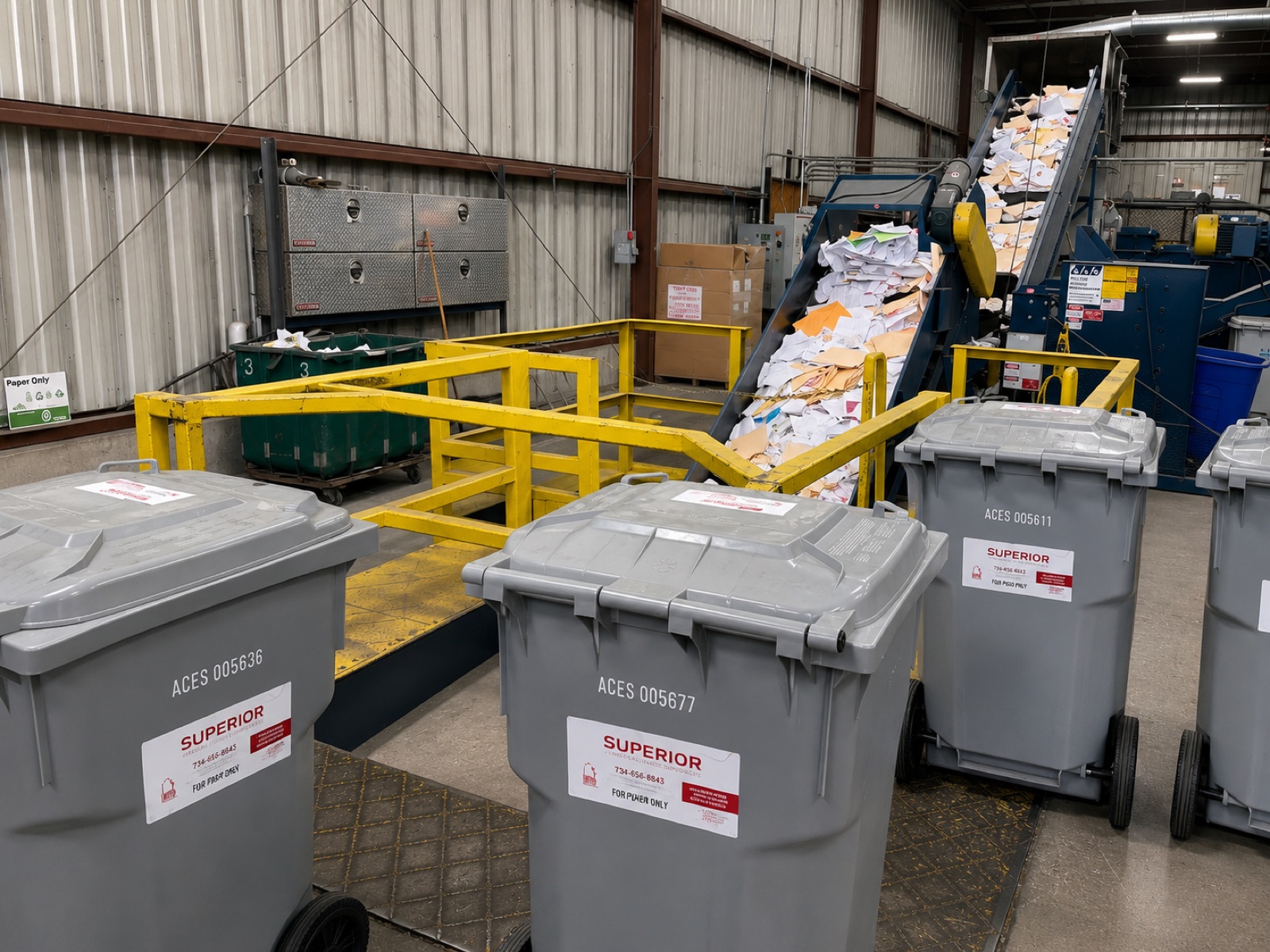
Selecting the appropriate disposal bins is crucial for ensuring safe lab waste disposal management. Here are key considerations:
-
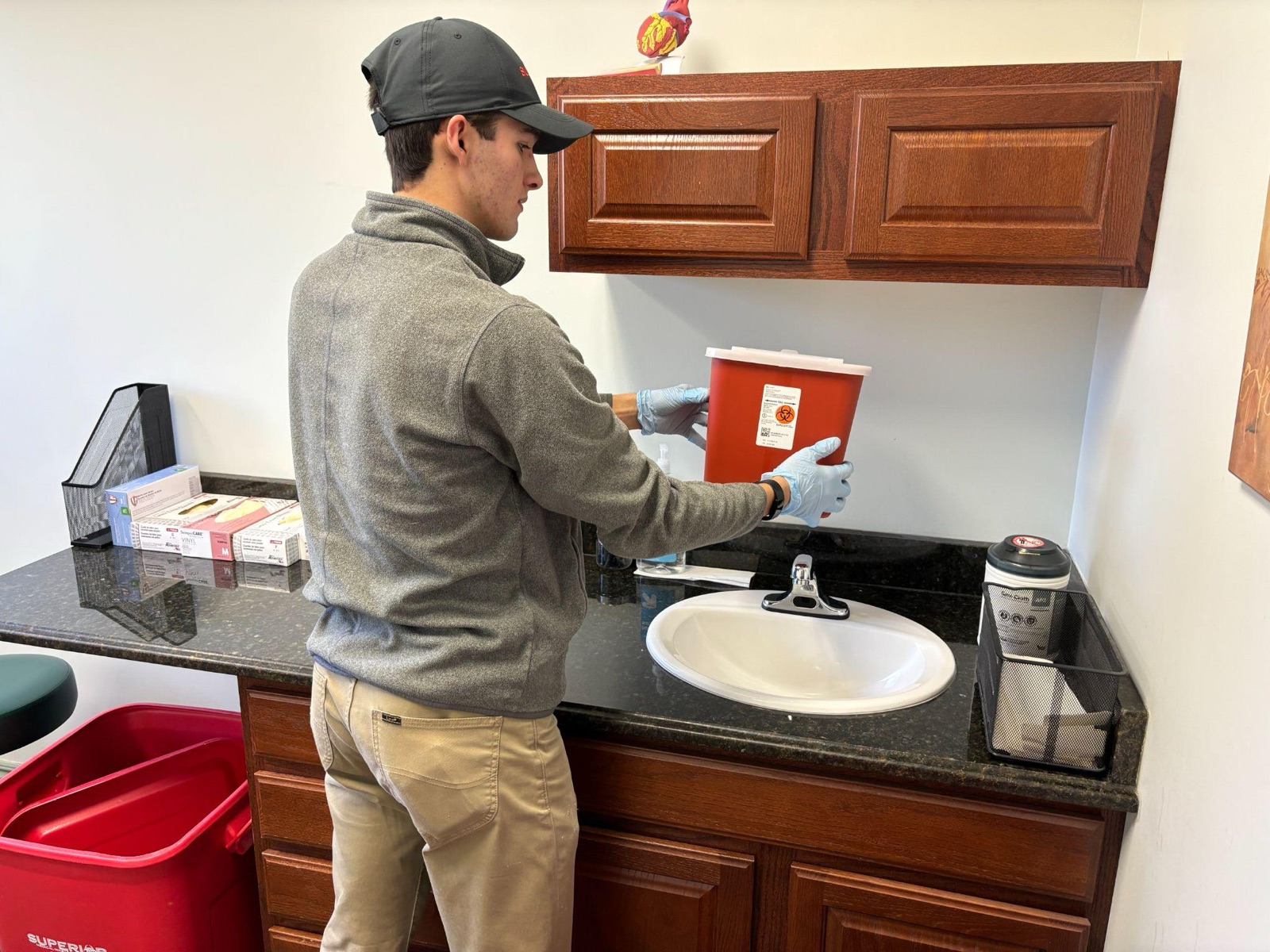
Choose Receptacles According to Refuse Category: Use bins specifically designed for the type of material being discarded. For instance, puncture-resistant receptacles are necessary for sharps, while leak-proof vessels should be employed for liquid disposal to prevent spills and contamination.
-
Ensure Compatibility: The materials of the containers must be suitable for the refuse they will hold. Corrosive substances, for example, should be stored in receptacles made from corrosion-resistant materials to avoid leaks and potential hazards.
-
Regularly Inspect Receptacles: Routine inspections of waste receptacles are essential to identify any damage or leaks. Containers showing signs of wear should be replaced promptly to maintain safety and compliance with regulations. A 2022 study by Jefferson University found that 20% of clinical labs faced incidents due to improper labeling, underscoring the importance of regular inspections.
-
Follow Manufacturer Guidelines: Adhering to the manufacturer’s instructions for container use, including fill levels and disposal methods, is vital for compliance with safety standards. This practice helps mitigate risks associated with improper refuse disposal. The Centers for Disease Control and Prevention (CDC) recommends regularly reviewing disposal handling protocols to reinforce safe practices.
-
Implement Color-Coded Systems: Utilizing color-coded systems for refuse segregation can improve safety and compliance. For example, red bins are typically designated for biohazardous materials, while yellow bins are used for chemical waste.
By employing appropriate containers for lab waste disposal, laboratories can significantly enhance safety and ensure compliance with regulatory requirements, ultimately protecting staff and patients from potential hazards.

Conclusion
Effective lab waste disposal management is essential for ensuring safety and compliance in laboratory environments. By implementing best practices – such as identifying and classifying waste types, adhering to regulatory requirements, and ensuring proper segregation and labeling – laboratories can significantly improve their waste management processes. These measures not only safeguard staff and the environment but also uphold operational integrity and compliance with legal frameworks.
Key strategies include:
- Training personnel on waste classification and disposal protocols
- Utilizing appropriate waste containers
- Maintaining thorough documentation to demonstrate compliance
Regular audits and updates on regulatory changes are crucial for keeping facilities aligned with the latest standards, thereby minimizing the risk of violations and fostering a culture of safety.
In summary, prioritizing effective lab waste disposal management transcends mere regulatory obligation; it reflects a commitment to environmental stewardship and workplace safety. Laboratories are encouraged to proactively adopt these best practices, ensuring that their waste disposal processes are efficient, compliant, and safe for all stakeholders involved. Embracing these strategies will contribute to a healthier research environment and support the ongoing evolution of laboratory waste management practices amid changing regulations and increasing waste management challenges.
Frequently Asked Questions
What are the main types of laboratory waste?
The main types of laboratory waste include chemical waste, biological refuse, radioactive waste, and sharps waste.
What is classified as chemical waste?
Chemical waste includes solvents, acids, and other hazardous materials that require careful handling to prevent environmental contamination.
What constitutes biological refuse?
Biological refuse comprises materials that may be infectious, such as cultures and specimens, posing significant health risks if not managed properly.
How is radioactive waste defined?
Radioactive waste involves materials emitting radiation and requires specialized disposal methods to ensure safety.
What items are considered sharps waste?
Sharps waste consists of needles, blades, and other sharp items that can cause injuries and require puncture-proof receptacles for safe disposal.
Why is a color-coding system important for laboratory waste disposal?
A color-coding system helps facilitate easy identification and compliance with disposal regulations, enhancing safety. For example, red bins are for biohazardous materials, while yellow containers are for sharps.
How can staff training contribute to safe laboratory waste disposal?
Regular training for personnel on disposal classification protocols minimizes errors and enhances safety, ensuring adherence to changing regulations and fostering a culture of safety within the research environment.
Why is it important to stay informed about waste disposal techniques and regulations?
Staying informed about the latest disposal techniques and regulatory changes is vital for all research operations, especially as the medical disposal management market is expected to grow significantly.