Introduction
Dental practices generate various types of waste, each presenting unique challenges and risks that require careful management. Implementing effective dental waste management practices not only protects the health of staff and patients but also shields the environment from hazardous materials. Despite this, many dental facilities face difficulties with waste segregation, safe handling, and compliance with strict regulations.
How can dental practices manage waste efficiently while minimizing risks and adhering to legal requirements?
Identify Types of Dental Waste and Their Risks
Dental waste can be classified into several types, with each type presenting distinct risks that require careful management.
Sharps Waste: This category includes needles, scalpel blades, and other sharp instruments that pose significant risks of injury and infection. Dental practices must utilize puncture-resistant containers for waste management, as improper handling can lead to needlestick injuries. Reports indicate that up to 44% of dental assistants are affected by these injuries. The prevalence of needlestick injuries is particularly concerning, with studies showing that cleaning instruments and handling syringes are high-risk procedures contributing to these incidents.
Items contaminated with blood or bodily fluids, such as blood-soaked gauze and extracted teeth, are considered dental waste and must be managed with extreme caution to prevent exposure to pathogens. Appropriate handling in designated biohazard bags is essential. These bags should be sealed tightly and stored away from patient areas to minimize risks.
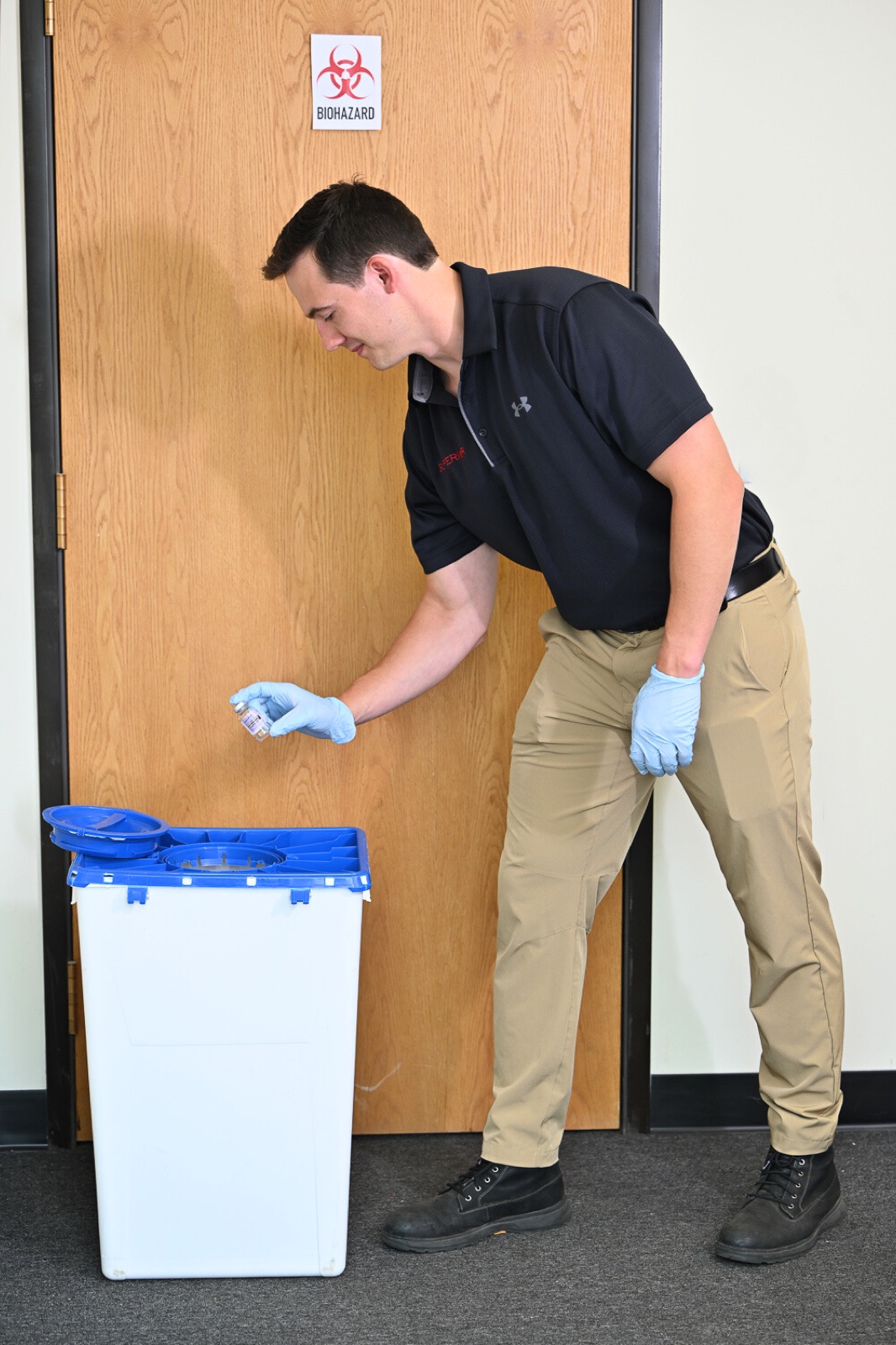
Pharmaceutical Waste: Unused or expired medications, including anesthetics, require specialized disposal methods to prevent environmental contamination. Regulations mandate that these substances should never be flushed down drains, as this can lead to significant ecological harm. Facilities must maintain shipping manifests and certificates of destruction for these materials to ensure compliance.
Dental waste includes materials such as amalgam, which contains mercury, and other harmful substances that can negatively impact human health and the environment if not disposed of properly. The use of is advised to capture discarded amalgam from rinse water, significantly reducing mercury discharge into wastewater. Furthermore, oral health facilities must comply with state regulations concerning the disposal of hazardous materials, which may entail penalties for non-compliance.
By recognizing these refuse categories and understanding their related hazards, oral health facilities can adopt efficient disposal management approaches that emphasize safety and ecological sustainability.

Implement Effective Waste Segregation and Categorization
To effectively manage dental waste, dental practices should implement the following segregation strategies:
- Color-Coded Containers: Establish a system of distinctly labeled, color-coded bins for different types of refuse. For example, red bags should be designated for biohazardous materials, yellow containers for sharps, and black bins for general refuse. This visual differentiation helps prevent cross-contamination and ensures compliance with safety regulations. Notably, dental waste accounted for 26.5% of total refuse generated in oral health facilities, underscoring the necessity for effective segregation methods.
- Training Personnel: Regular training sessions are essential for instructing staff on the importance of material segregation and the specific handling procedures for each type of refuse. Utilizing visual tools and placing reminders near waste stations can reinforce these methods, among oral health personnel. As Ana Teresa Rodrigues de Sousa emphasizes, enhancing the management of dental waste in clinics is vital for mitigating occupational and environmental risks.
- Regular Audits: Conducting periodic evaluations of refuse disposal practices is crucial for ensuring adherence to established protocols. These audits help identify areas needing improvement and highlight the significance of effective resource management, ultimately contributing to a safer environment for both staff and patients. The environmental consequences of improper management of dental waste can be substantial, leading to landfill capacity issues and potential contamination.
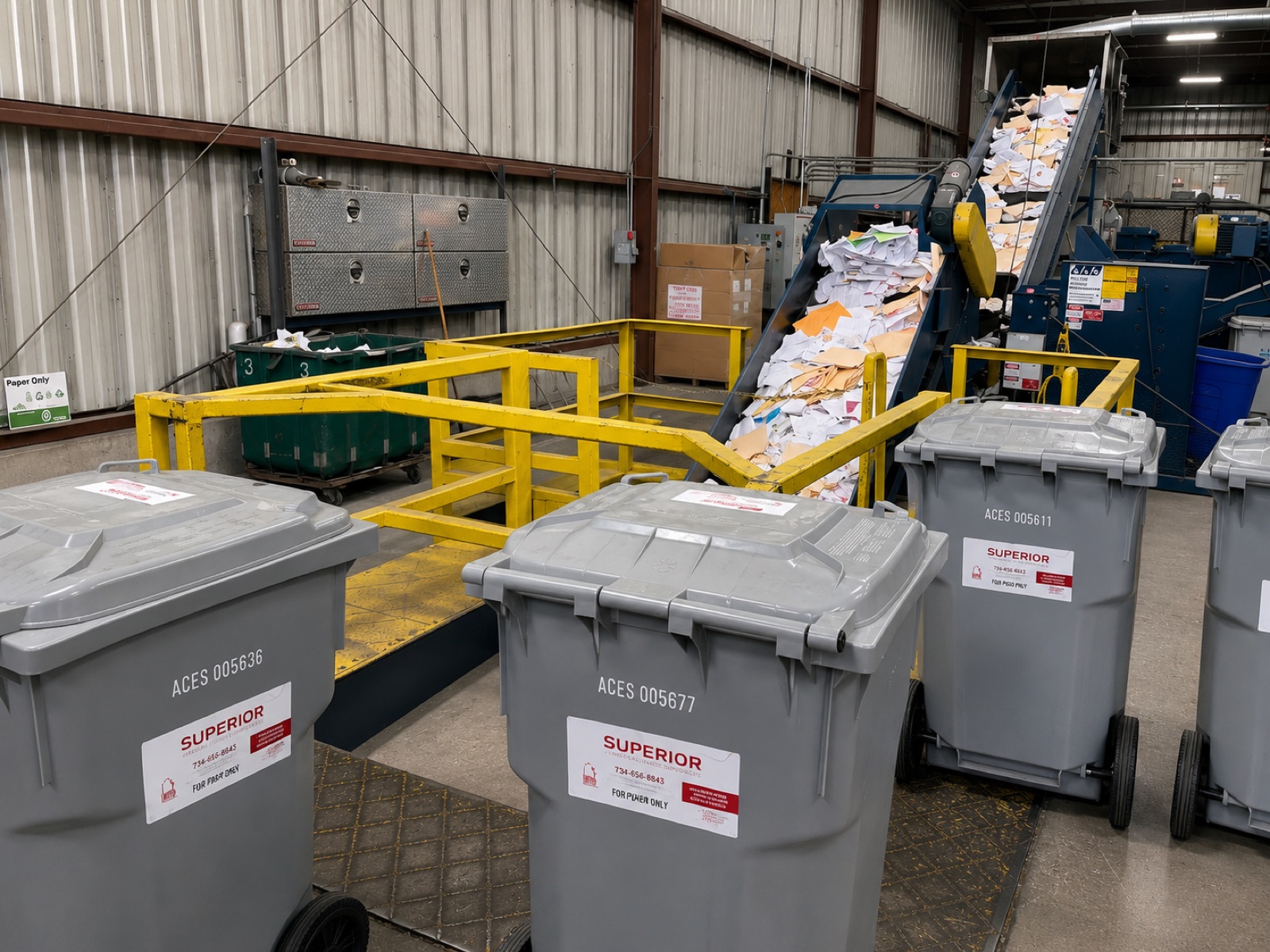
- Documentation: Maintaining comprehensive records of refuse disposal practices, including the types and quantities of materials generated, is vital for regulatory compliance. This documentation not only supports adherence to legal requirements but also aids in identifying trends over time, facilitating ongoing improvements in management strategies. Additionally, it is essential to consult local environmental authorities for guidance on regulations and handling procedures specific to your state, as compliance is paramount for public health and environmental preservation. In Michigan, for instance, regulations stipulate that biohazard materials must be removed within 90 days of storage. At Superior Medical Refuse Management, we also execute shredding of materials to reduce volume by 70% prior to disposal, further enhancing compliance and efficiency.
By applying these strategies, oral care practices can significantly mitigate the risks associated with improper disposal of dental waste, thereby enhancing public health and environmental safety.

Ensure Safe Handling and Storage of Dental Waste
To ensure the safe handling and storage of dental waste, it is essential to implement the following practices:
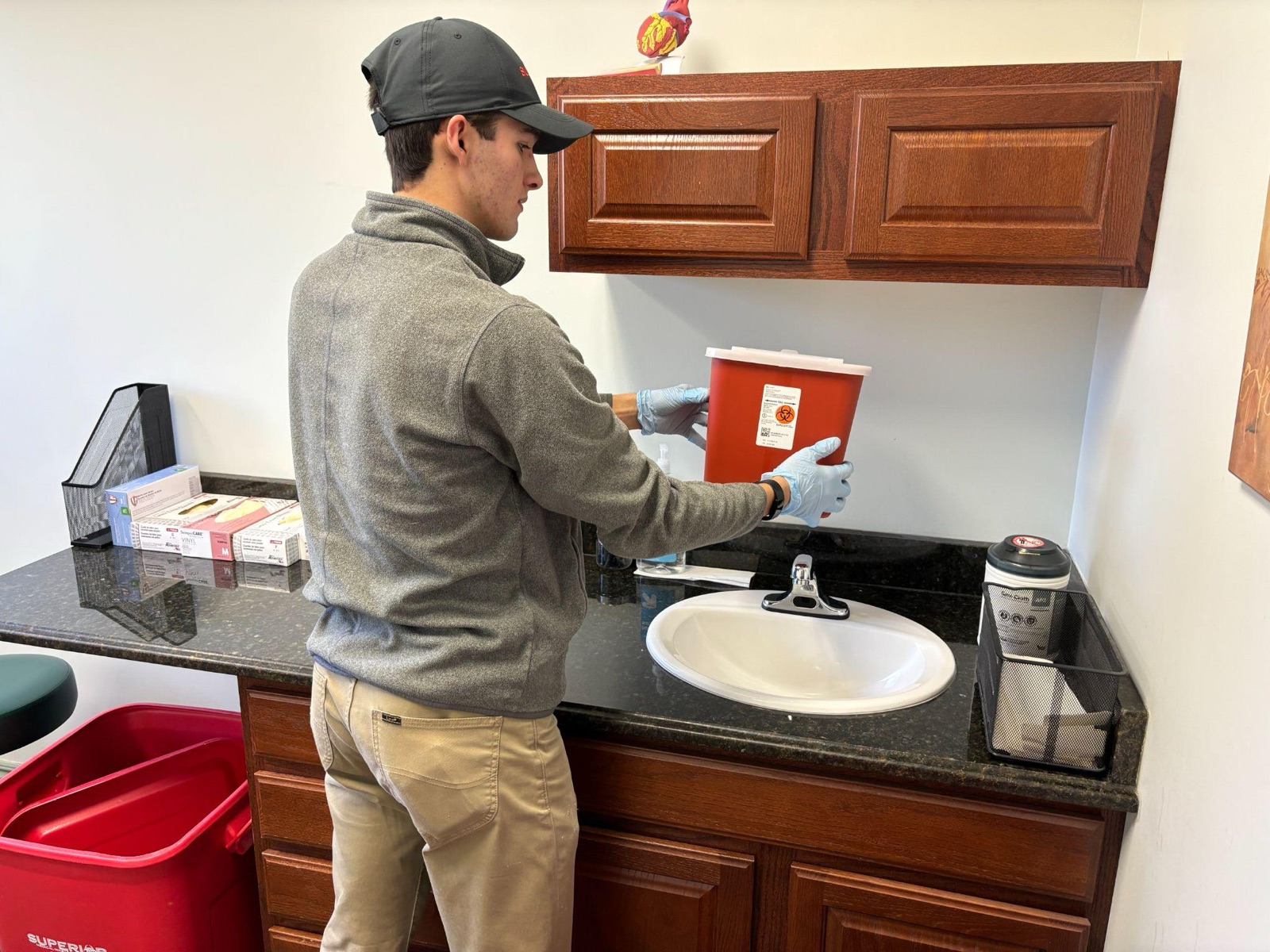
- Use : Staff must wear appropriate PPE, including gloves and masks, when handling oral refuse. This practice minimizes exposure to hazardous substances and protects against potential health risks associated with improper disposal.
- Designated Storage Areas: Establish secure and well-ventilated storage areas for dental materials, accessible exclusively to authorized personnel. These areas should be clearly marked and equipped with suitable containers to prevent unauthorized access and ensure safe disposal practices for dental waste.
- Regular Inspections: Conduct routine inspections of storage areas to confirm that containers are intact, properly labeled, and not overfilled. Immediate replacement of any damaged containers is crucial to maintain safety and comply with health regulations.
- Emergency Protocols: Develop and communicate clear emergency protocols for spills or incidents involving clinical refuse. Training staff on these procedures is vital for ensuring a prompt and effective response, thereby minimizing risks associated with improper handling.
By adhering to these guidelines, oral health facilities can significantly mitigate the risk of accidents involving dental waste and ensure compliance with health regulations, ultimately fostering a safer environment for both employees and patients.

Partner with Certified Waste Disposal Services
Choosing the right refuse management partner is essential for handling dental waste in dental offices. Here are key factors to consider:
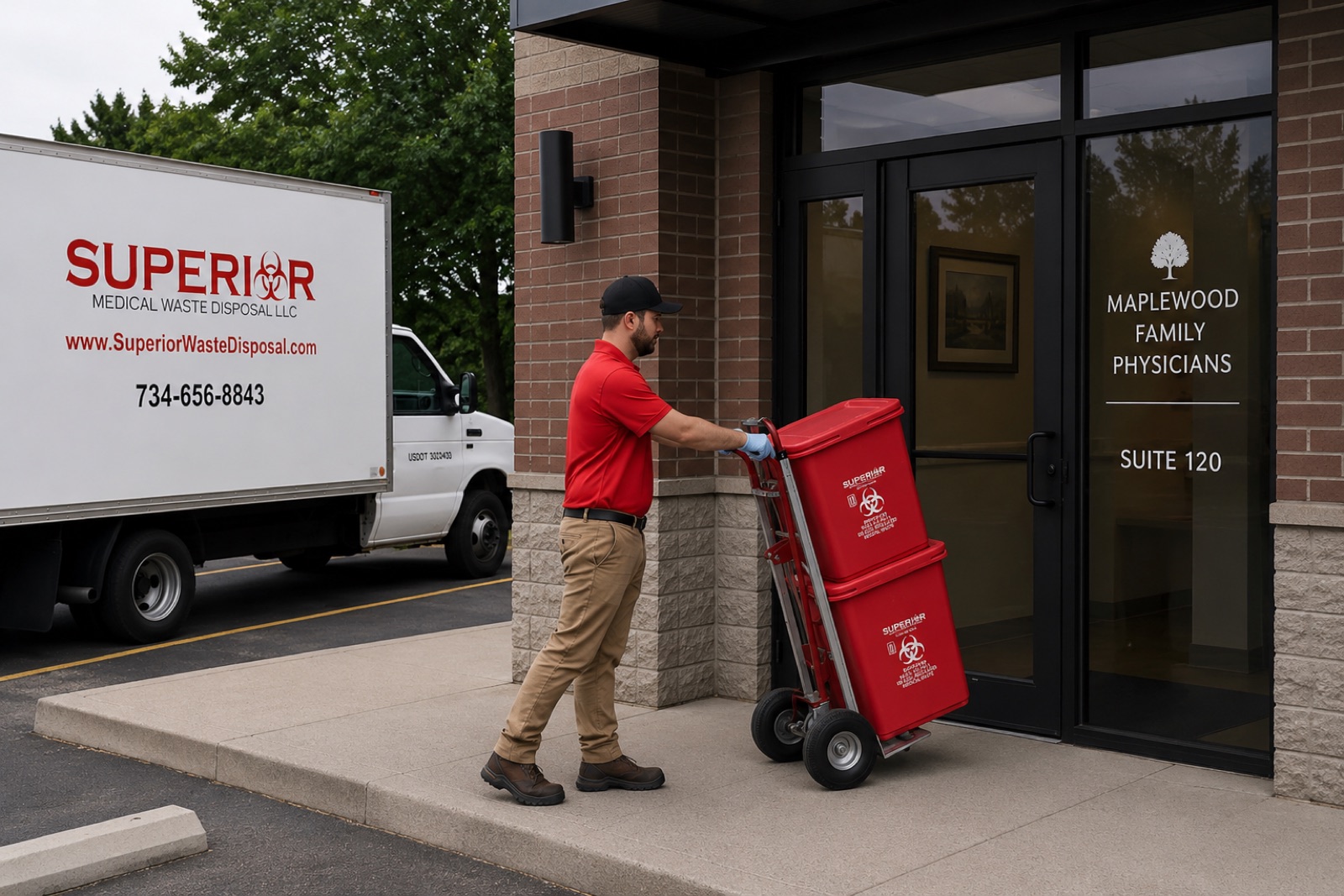
- Certification and Compliance: Ensure that the disposal service possesses the necessary certifications and complies with local, state, and federal regulations, including OSHA and EPA standards. This verification is crucial for meeting legal requirements and minimizing liability. Superior Medical Disposal is committed to providing comprehensive medical management services that adhere to these regulations in Michigan, Ohio, and Indiana.
- Reputation and Experience: Investigate the reputation of potential partners by reviewing testimonials and case studies. An experienced provider, such as Superior Medical Waste Disposal, will have a proven track record of safely and efficiently managing dental waste, which is vital for maintaining compliance and operational integrity. For example, best practices recommend placing containers where care occurs to reduce carry distances, thereby minimizing the risk of spills and needlesticks.
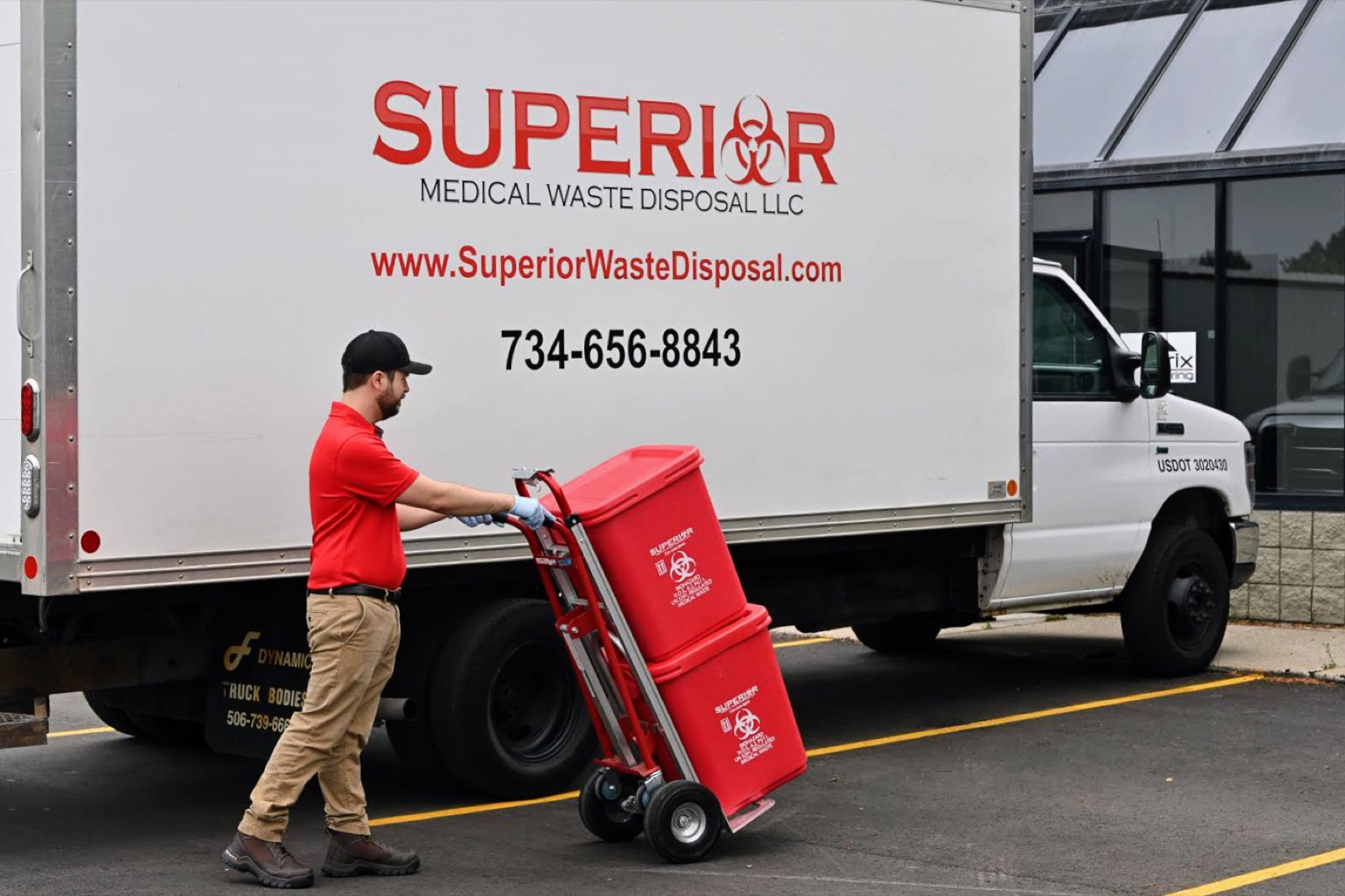
- Service Offerings: Evaluate the range of services offered by the disposal partner. Superior Medical Waste Disposal provides comprehensive solutions, including regular pickups, emergency services, and thorough documentation to support compliance efforts. Facilities that utilize flexible service models can better adapt to varying refuse volumes and unexpected increases in demand. As healthcare disposal regulations evolve, partnering with a provider that offers ongoing compliance updates is essential.
- : Select a partner that presents clear and transparent pricing structures. Superior Medical Waste Disposal guarantees no hidden fees or ambiguous terms that could lead to unexpected costs, helping you maintain your budget.
By collaborating with a certified waste disposal service like Superior Medical Waste Disposal, dental practices can effectively manage their waste in compliance with all relevant regulations, thereby enhancing safety and operational efficiency.

Conclusion
Effective management of dental waste is crucial for safeguarding the health of dental staff and patients, as well as for protecting the environment. By recognizing the various types of dental waste and their associated risks, dental practices can establish comprehensive waste management protocols that prioritize safety and compliance. This proactive approach not only protects health but also fosters ecological sustainability within the community.
The article highlights several best practices, including:
- The identification of different types of dental waste
- The implementation of effective waste segregation and categorization strategies
- Ensuring safe handling and storage
- Collaborating with certified waste disposal services
Each of these practices is vital in reducing risks linked to improper waste management, such as needlestick injuries and environmental contamination. Furthermore, regular training and audits enhance compliance and operational efficiency, cultivating a culture of safety within dental practices.
Given these insights, it is imperative for dental professionals to prioritize the adoption of comprehensive waste management strategies. By doing so, they not only adhere to regulations but also contribute to a safer, healthier environment for their patients and communities. Taking proactive measures in managing dental waste transcends legal obligations; it represents a commitment to public health and environmental stewardship that can yield lasting positive impacts.
Frequently Asked Questions
What are the main types of dental waste?
The main types of dental waste include sharps waste, items contaminated with blood or bodily fluids, pharmaceutical waste, and materials like amalgam that contain harmful substances.
What risks are associated with sharps waste in dental practices?
Sharps waste, which includes needles and scalpel blades, poses significant risks of injury and infection. Improper handling can lead to needlestick injuries, affecting up to 44% of dental assistants.
How should items contaminated with blood or bodily fluids be managed?
Items contaminated with blood or bodily fluids, such as blood-soaked gauze and extracted teeth, must be handled with extreme caution and placed in designated biohazard bags that are sealed tightly and stored away from patient areas.
What should be done with unused or expired medications in dental practices?
Unused or expired medications, including anesthetics, require specialized disposal methods to prevent environmental contamination. They should never be flushed down drains, and facilities must maintain shipping manifests and certificates of destruction for compliance.
Why is proper disposal of amalgam important in dental waste management?
Amalgam contains mercury and other harmful substances that can negatively impact human health and the environment if not disposed of properly. The use of amalgam separators is advised to capture discarded amalgam from rinse water, reducing mercury discharge into wastewater.
What are the consequences of non-compliance with hazardous material disposal regulations?
Oral health facilities must comply with state regulations regarding the disposal of hazardous materials, and non-compliance may result in penalties.
How can oral health facilities enhance their waste disposal management?
By recognizing the different types of dental waste and their associated hazards, oral health facilities can adopt efficient disposal management approaches that emphasize safety and ecological sustainability.