Introduction
Handling medical records is crucial for maintaining patient trust and ensuring regulatory compliance in healthcare. Given the stringent requirements set by HIPAA, shredding medical records transcends best practice; it becomes a legal obligation with potentially severe consequences if overlooked. As healthcare organizations encounter heightened scrutiny and possible penalties for non-compliance, a pressing question emerges: how can they guarantee that their shredding practices not only adhere to legal standards but also effectively protect patient information? This article delves into essential best practices for shredding medical records, emphasizing the significance of compliance and the risks tied to improper disposal.
Understand the Importance of Medical Records Shredding for Compliance
The is essential for compliance within medical organizations. According to , practitioners must ensure that all (PHI) is rendered unreadable and irretrievable when it is no longer needed. This requirement applies to both paper and electronic records. Non-compliance can lead to severe penalties, with fines reaching up to $50,000 per violation. As of 2026, the enforcement of HIPAA violations has intensified, granting state attorneys general the authority to impose fines ranging from $100 to $25,000 per violation category annually.
The repercussions of failing in extend beyond ; they can also result in significant reputational damage following a . For instance, medical organizations that neglect risk exposing sensitive patient information, which can lead to identity theft and a loss of patient trust. Real-world examples underscore the importance of compliance: in 2023, a breach at a medical service organization resulted in the exposure of over 93 million records, highlighting the critical need for to ensure .
Starting in 2026, medical providers must remain vigilant in their disposal practices to protect patient privacy and adhere to evolving . It is imperative that all confidential information is securely eliminated and documented with a to verify compliance.

Implement Best Practices for Medical Records Shredding
To effectively implement , healthcare facilities should adopt several best practices:
- Develop a : Establish a comprehensive policy that clearly outlines when and how records should be shredded, including specific timelines for retention and destruction. This policy must align with to ensure adherence and mitigate risks associated with improper disposal, particularly through . , which specializes in the safe and compliant handling of , can aid in developing such policies.
- Train Staff: Regular training is essential for all employees regarding the significance of and the procedures to follow. Ensuring that staff understands their role in is crucial, as human error is a significant factor in HIPAA compliance failures. Training should be documented and updated regularly to reflect any changes in regulations or procedures.
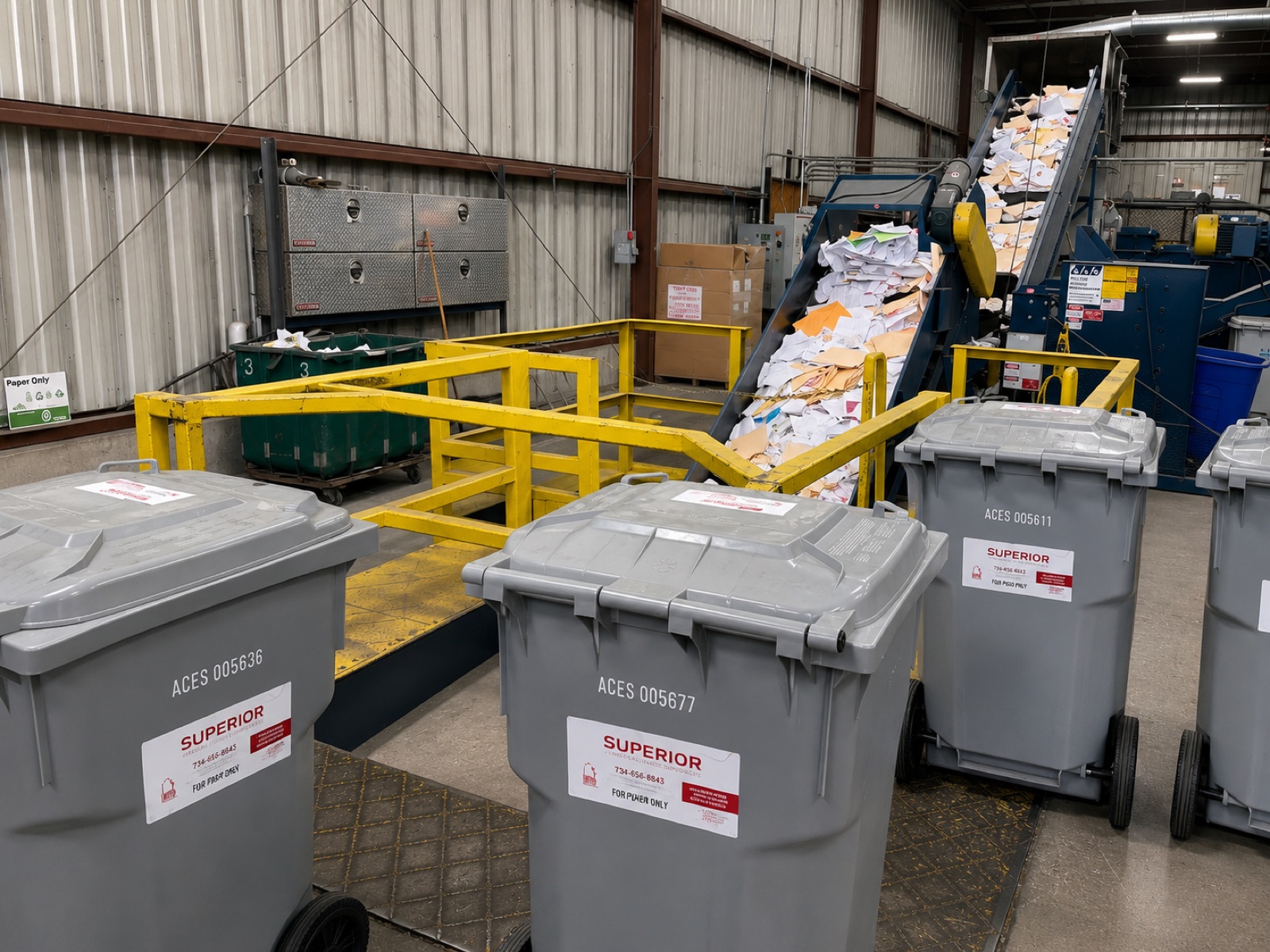
- Use Secure Shredding Methods: Invest in high-quality shredders that meet HIPAA standards, such as cross-cut or micro-cut shredders. These shredders used for make documents nearly impossible to reconstruct, significantly reducing the risk of data breaches. Superior Medical Waste Disposal provides expert that ensure papers are processed on-site, offering an additional level of security.
- Maintain Documentation: Keep meticulous records of all , including dates and types of documents eliminated, such as and any documents containing individually identifiable health information. This documentation serves as proof of compliance during audits and demonstrates a commitment to safeguarding protected health information (PHI). Utilizing services from Superior Medical Waste Disposal can help simplify this process, as they offer .
- Conduct Regular Audits: Periodically review document destruction practices to identify areas for enhancement and ensure compliance with established policies. Regular audits assist in upholding compliance and can uncover potential vulnerabilities in the process, enabling prompt corrective measures. Partnering with a reliable service like Superior Medical Waste Disposal can enhance the effectiveness of these audits by ensuring that shredding practices are consistently followed.

Recognize Risks of Improper Medical Records Disposal
presents significant risks that can affect healthcare providers in multiple ways:
- : can result in , with penalties ranging from $100 to over $2 million, depending on the severity of the violation. In 2024, the highest fine for Tier 4 violations reached $2,134,831, underscoring the financial risks faced by medical practitioners. Repeat offenders may encounter escalating penalties, which can severely disrupt their operations.
- : In 2023, medical reached unprecedented levels, exposing over 168 million records. Improper disposal of can directly contribute to these breaches, leading to identity theft and fraud. Such incidents not only jeopardize patient safety but also tarnish the reputation of medical professionals, resulting in long-term damage to their credibility.
- Loss of Trust: Patients expect their medical providers to . A breach stemming from , particularly due to a lack of , can significantly undermine this trust, leading to a and negatively affecting patient retention. Trust is fundamental to the medical relationship, and breaches can have enduring repercussions on patient loyalty.
- Operational Disruptions: The aftermath of a data breach often necessitates considerable resources to manage, diverting attention from patient care and impacting overall . Organizations may find themselves overwhelmed by the need to address , notify affected individuals, and implement corrective measures, all of which can detract from their primary mission of delivering quality medical services.

Choose Certified Shredding Providers for Enhanced Security
When selecting a , healthcare facilities should prioritize several key factors to ensure effective with industry regulations related to .
- Certification is paramount. Choose a shredding company that holds . This certification indicates adherence to stringent security and compliance standards, ensuring that sensitive information is managed with the highest level of care.
- Next, consider the reputation of the supplier. Investigate their standing within the industry by seeking reviews and testimonials from other healthcare organizations. This will help gauge their reliability and the quality of their services.
- Service options are also crucial. Evaluate whether the company provides . This option enhances security by allowing documents to be shredded at your location, thereby minimizing the risk of data exposure during transport.
- Additionally, ensure compliance assurance by verifying that the supplier can issue a (COD) after . This document serves as legal proof of , which is essential for maintaining regulatory standards.
- Finally, consider cost-effectiveness. While pricing should not be the sole factor, it is important to ensure that the provider offers and compliance. Investing in a certified shredding service can prevent costly data breaches, which in the medical field average $10.93 million per incident.
By focusing on these factors, healthcare facilities can significantly enhance their and ensure compliance with industry regulations, ultimately protecting patient information and maintaining trust.

Conclusion
The importance of shredding medical records is paramount, especially given the changing landscape of compliance regulations. Securely destroying all protected health information (PHI) is not merely a best practice; it is a legal requirement under HIPAA. Non-compliance can lead to significant fines and irreparable harm to a medical organization’s reputation, underscoring the necessity for rigorous shredding practices.
Key insights from this discussion emphasize that:
- A strong shredding policy
- Regular staff training
- Secure shredding methods
- Comprehensive documentation
- Routine audits
are vital elements of an effective compliance strategy. Additionally, collaborating with certified shredding providers can bolster security and ensure compliance with industry standards, ultimately protecting patient information.
In summary, neglecting proper disposal of medical records has repercussions that extend beyond financial penalties; it can undermine patient trust and disrupt healthcare operations. By prioritizing best practices and partnering with certified shredding services, healthcare organizations can safeguard sensitive information, maintain compliance, and cultivate a culture of security and trust. Taking proactive measures today will help ensure the integrity and confidentiality of patient data for years to come.
Frequently Asked Questions
Why is medical records shredding important for compliance?
Medical records shredding is essential for compliance because HIPAA regulations require that all protected health information (PHI) be rendered unreadable and irretrievable when no longer needed. This applies to both paper and electronic records.
What are the penalties for non-compliance with medical records shredding?
Non-compliance can lead to severe penalties, with fines reaching up to $50,000 per violation. As of 2026, state attorneys general will have the authority to impose fines ranging from $100 to $25,000 per violation category annually.
What are the consequences of failing to properly shred medical records?
Failing to properly shred medical records can result in significant repercussions, including financial penalties and reputational damage due to data breaches. This can lead to identity theft and a loss of patient trust.
Can you provide an example of the importance of medical records shredding?
In 2023, a breach at a medical service organization exposed over 93 million records, highlighting the critical need for proper medical records shredding to ensure secure document disposal.
What should medical providers do starting in 2026 regarding medical records disposal?
Starting in 2026, medical providers must remain vigilant in their disposal practices to protect patient privacy and adhere to evolving HIPAA regulations. They should securely eliminate all confidential information and document the process with a Certificate of Destruction to verify compliance.
List of Sources
- Understand the Importance of Medical Records Shredding for Compliance
- 51 HIPAA Statistics Every Healthcare Entity Needs to Know in 2026 | UpGuard (https://upguard.com/blog/hipaa-statistics)
- 6 Reasons Why Medical Records Shredding is Important | Blue-Pencil (https://blue-pencil.ca/6-reasons-why-medical-records-shredding-is-important)
- Healthcare Data Breach Statistics (https://hipaajournal.com/healthcare-data-breach-statistics)
- getcodeshealth.com (https://getcodeshealth.com/blogs/patient-data-security-statistics)
- 60+ Healthcare Data Breach Statistics for 2026 (https://brightdefense.com/resources/healthcare-data-breach-statistics)
- Implement Best Practices for Medical Records Shredding
- Medical waste facility planned for Birmingham neighborhood – Birmingham Business Journal (https://bizjournals.com/birmingham/news/2026/01/20/harvest-solutions-plans-medical-waste-facility.html)
- docshredders.com (https://docshredders.com/blog/medical-records-shredding-guide)
- Healthcare Data Breach Statistics (https://hipaajournal.com/healthcare-data-breach-statistics)
- Secure Document Destruction Trends to Watch in 2026 | A1 Data Shred (https://secdocshredding.com/secure-document-destruction-trends-to-watch-in-2026)
- allpointsprotects.com (https://allpointsprotects.com/hipaa-compliance-shredding-destruction-of-medical-records)
- Recognize Risks of Improper Medical Records Disposal
- centrexit.com (https://centrexit.com/biggest-healthcare-data-breaches-2025)
- 51 HIPAA Statistics Every Healthcare Entity Needs to Know in 2026 | UpGuard (https://upguard.com/blog/hipaa-statistics)
- Healthcare Data Breach Statistics (https://hipaajournal.com/healthcare-data-breach-statistics)
- What are the Penalties for HIPAA Violations? 2026 Update (https://hipaajournal.com/what-are-the-penalties-for-hipaa-violations-7096)
- Choose Certified Shredding Providers for Enhanced Security
- Healthcare Data Breach Statistics (https://hipaajournal.com/healthcare-data-breach-statistics)
- richardsandrichards.com (https://richardsandrichards.com/reasons-to-choose-a-naid-aaa-certified-shredding-provider)
- intelmarketresearch.com (https://intelmarketresearch.com/secure-document-shredding-service-market-25929)
- Healthcare Data Destruction Services for Hospitals & Medical Facilities – CyberCrunch (https://ccrcyber.com/healthcare-data-destruction)
- Why Hiring a NAID AAA Certified Document Shredding Company (https://timeshred.com/why-hiring-a-naid-aaa-certified-document-shredding-company-is-crucial)