Introduction
Managing health care waste is not just a regulatory requirement; it is vital for protecting public health and the environment. Approximately 15% of medical waste is deemed hazardous, which raises significant concerns for healthcare facilities that do not adopt proper disposal methods. This article outlines ten key reasons why effective health care waste disposal is crucial, examining the serious consequences of neglecting this duty.
What dangers lie hidden in improperly managed waste, and how can healthcare institutions address these risks while improving their operational efficiency?
Define Health Care Waste and Its Categories
Health care refuse encompasses any material generated during the diagnosis, treatment, or immunization of humans or animals. This waste can be categorized into several distinct types, each requiring specific management strategies:
- Infectious Waste: This category includes materials that may harbor pathogens, such as blood-soaked bandages and laboratory cultures. Approximately 15% of waste from medical activities is deemed hazardous to humans and the environment, which emphasizes the importance of proper health care waste disposal.
- Sharps Waste: Items capable of puncturing or cutting skin, including needles, blades, and broken glass, fall into this category. Proper handling of sharps is essential to prevent injuries and infections.
- Pharmaceutical Waste: This category consists of expired or unused medications that require special handling to mitigate environmental impact and prevent misuse.
- Chemical Waste: Hazardous chemicals used in healthcare settings, such as solvents and disinfectants, are classified here. Their disposal must comply with to avoid contamination.
- Radioactive Residue: Generated from diagnostic and therapeutic procedures, this material contains radioactive substances and necessitates specialized handling methods to ensure safety.
- General Refuse: Non-hazardous materials, similar to household refuse, include packaging items and food scraps, which can be managed through standard disposal practices.
Accurate identification and classification of these refuse types are essential for recognizing the importance of proper health care waste disposal. For instance, hospitals produce approximately 0.5 kg of refuse per bed each day, highlighting the significant disposal management challenges faced by medical institutions. By prioritizing the importance of proper health care waste disposal, medical organizations can significantly reduce the risks associated with improper handling of materials, thereby safeguarding public health and the environment.
Identify Risks of Improper Waste Disposal
Inadequate disposal of medical refuse poses significant dangers, particularly in areas like Traverse City, which underscores the importance of proper health care waste disposal, especially since medical facilities such as Munson, Byers Heather, and Thomas Judd generate substantial amounts of clinical waste annually. The associated risks include:
- Infection Spread: Contaminated refuse can lead to outbreaks of infectious diseases among patients and healthcare personnel. For instance, it is estimated that improper management of healthcare materials is linked to up to 30% of hepatitis B and 1-3% of hepatitis C cases, underscoring the direct health risks involved.
- Environmental Contamination: Hazardous materials can seep into soil and water supplies, resulting in long-term ecological harm. The World Health Organization emphasizes the importance of proper health care waste disposal, warning that improperly handled medical refuse, particularly plastics, threatens both human health and the environment, necessitating immediate action. In Traverse City, where local medical professionals significantly contribute to waste generation, recognizing the importance of proper health care waste disposal is crucial.
- Legal Consequences: Non-compliance with regulations can lead to substantial fines and legal repercussions for healthcare facilities. For example, California legislation imposes strict liability for waste management violations, with penalties reaching up to $70,000 for hazardous materials and $10,000 for medical refuse, highlighting the financial risks of mismanagement.
- Reputational Damage: Facilities that neglect proper waste management may experience a loss of trust from patients and the community. High-profile incidents, such as Kaiser’s $49 million settlement for illegal waste management practices, demonstrate how mismanagement can damage an organization’s reputation.
- Increased Healthcare Costs: The financial implications of addressing the aftermath of improper disposal can be considerable, encompassing cleanup and legal expenses. Ongoing scrutiny from regulatory bodies can lead to costly settlements and necessitate extensive mitigation efforts for non-compliance, further straining medical budgets.
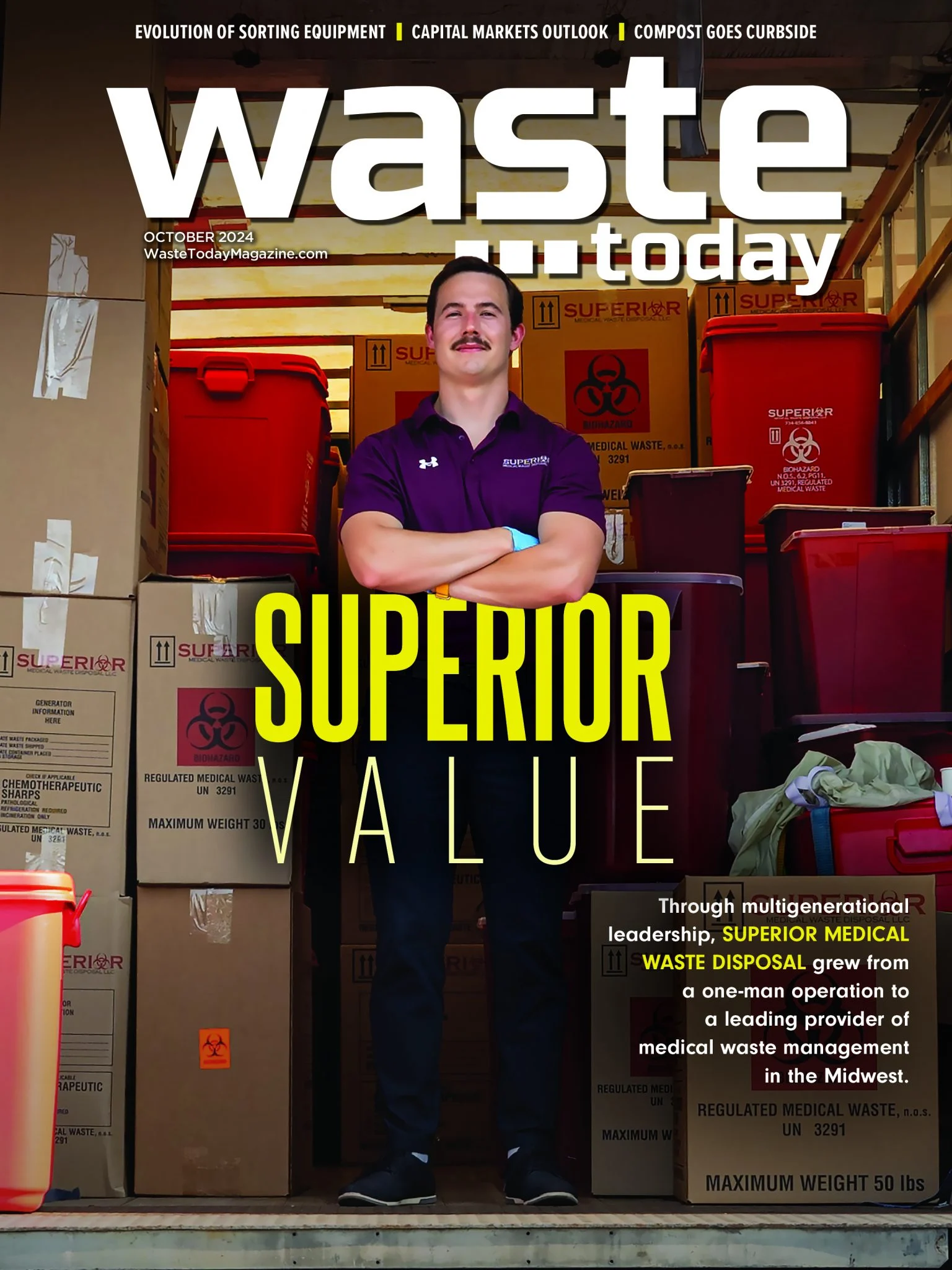
In Traverse City, Superior Medical Refuse Disposal offers tailored solutions that highlight the importance of proper health care waste disposal, ensuring that healthcare facilities can manage their disposal streams effectively and responsibly.

Understand Regulatory Compliance Requirements
It is essential for healthcare facilities to understand the 10 importance of proper health care waste disposal while complying with a complex framework of regulations governing waste management to ensure safety and environmental protection.
- OSHA Standards: The Occupational Safety and Health Administration enforces regulations that require the safe handling and disposal of hazardous materials. This is crucial for protecting workers from potential associated with the 10 importance of proper health care waste disposal.
- EPA Regulations: The Environmental Protection Agency oversees medical refuse disposal practices to prevent environmental contamination. Recent updates to EPA regulations emphasize the 10 importance of proper health care waste disposal, underlining the need for medical facilities to manage refuse responsibly, with stricter penalties for non-compliance.
- State Regulations: Many states have enacted specific laws regulating medical refuse management, often including requirements for registration, reporting, and adherence to local environmental standards. For example, by 2025, 40 states and Puerto Rico will have adopted the Hazardous Waste Generator Improvements Rule, reflecting a nationwide effort to enhance compliance.
- Local Ordinances: Local health departments may impose additional regulations that healthcare facilities must follow, complicating compliance efforts. These ordinances can vary significantly, making it essential for facilities to stay informed about local requirements.
Failure to comply with these regulations highlights the 10 importance of proper health care waste disposal, which can lead to severe consequences, including substantial fines and potential operational shutdowns. Therefore, healthcare facilities must prioritize adherence to these standards to mitigate risks and ensure the safety of both staff and patients.
Explore Benefits of Proper Waste Disposal Practices
Implementing proper waste disposal practices offers numerous benefits:
- Improved Safety: Efficient disposal of unwanted materials significantly reduces the risk of exposure to hazardous substances for both personnel and patients. Healthcare institutions that prioritize the 10 importance of proper health care waste disposal can mitigate the potential for healthcare-associated infections, which may be exacerbated by improper handling of materials. Medical administrators have observed that [enhanced refuse handling practices](https://www.superiorwastedisposal.com/?p=1042) foster a safer environment, allowing staff to focus on patient care without the added concern of refuse-related risks.
- The 10 importance of proper health care waste disposal practices help minimize the environmental impact of waste, thereby preserving ecosystems and safeguarding public health. Given that healthcare accounts for approximately 4.4% of global CO2 emissions, adopting sustainable disposal methods is essential for reducing the carbon footprint of medical facilities. Innovative technologies, such as pyrolysis, can achieve a 75% reduction in waste volume, which significantly decreases transportation costs and landfill needs.
- The 10 importance of proper health care waste disposal highlight that effective refuse management can lead to reduced disposal costs and potential savings by avoiding penalties associated with non-compliance. Research indicates that hospitals may overpay around $7 billion annually due to . By implementing efficient disposal strategies, facilities can lower expenses while enhancing operational effectiveness. For instance, a 250-bed hospital can reduce its medical waste stream by 13 tons each year through container weight savings alone.
- Adhering to the 10 importance of proper health care waste disposal ensures that the facility complies with laws and regulations, thus shielding it from legal repercussions. The Environmental Protection Agency (EPA) and other regulatory bodies enforce strict guidelines for the handling of hazardous materials, including medical waste. Facilities that recognize the 10 importance of proper health care waste disposal not only avoid fines but also enhance their credibility within the community.
- Enhanced Reputation: Facilities that prioritize proper waste disposal are viewed more favorably by the community and patients. Demonstrating a commitment to environmental leadership through effective waste management and understanding the 10 importance of proper health care waste disposal can enhance a facility’s reputation, attracting patients and fostering trust within the community. Medical administrators emphasize that showcasing sustainability efforts can lead to improved community relations and increased patient recruitment.

Implement Best Practices for Waste Segregation and Disposal
To ensure effective waste management, healthcare facilities should implement several best practices:
- Segregation at Source: Waste must be separated into designated containers immediately after generation to prevent cross-contamination. This practice is essential for maintaining safety and compliance within healthcare environments, which emphasizes the importance of proper health care waste disposal.
- Use of Color-Coded Containers: Implementing a color-coding system for various types of refuse simplifies identification and removal processes. For instance, red containers can be designated for sharps, while yellow may be utilized for biohazardous materials. This visual distinction assists staff in swiftly identifying the suitable disposal method, thereby minimizing the chance of incorrect material handling.
- Regular Training: Continuous instruction for personnel on disposal protocols is crucial. Training sessions should emphasize the and the correct use of color-coded systems. As indicated by disposal experts, understanding the importance of proper health care waste disposal can significantly reduce the amount of regulated medical waste (RMW) produced, ideally targeting only 3-5% of total material to be categorized as RMW.
- Monitoring and Auditing: Regular evaluations of waste management practices help identify areas for enhancement and ensure compliance with regulations. Facilities should conduct audits to assess the effectiveness of their waste segregation and management strategies, making necessary adjustments to enhance safety and efficiency.
- Collaboration with Disposal Experts: Partnering with certified medical waste disposal companies ensures safe and compliant waste handling. These experts can provide guidance on best practices and assist in maintaining regulatory compliance, ultimately supporting the facility’s operational efficiency and environmental sustainability, which emphasizes the importance of proper health care waste disposal.

Conclusion
The importance of proper health care waste disposal is paramount, as it significantly affects public health, environmental safety, and the reputation of healthcare facilities. Effective waste management transcends mere regulatory compliance; it is a crucial element of patient and community safety, highlighting the necessity for healthcare providers to implement rigorous disposal practices.
Several critical points have emerged in this discussion:
- The diverse categories of health care waste-ranging from infectious and sharps waste to pharmaceutical and chemical refuse-demand tailored management strategies to mitigate associated risks.
- The dangers of improper disposal, such as the spread of infections, environmental contamination, and potential legal consequences, underscore the urgent need for healthcare facilities to prioritize adherence to established regulations.
- The advantages of proper waste disposal practices extend beyond compliance, leading to enhanced safety, cost savings, and increased community trust.
In conclusion, healthcare institutions must acknowledge and embrace the significance of proper health care waste disposal. By adopting best practices, cultivating a culture of safety, and investing in training and compliance, facilities can protect public health and the environment while also improving their operational efficiency and community reputation. The commitment to responsible waste management is not merely a legal obligation; it is an ethical imperative that will shape the future of healthcare.
Frequently Asked Questions
What is health care waste and what are its categories?
Health care waste refers to any material generated during the diagnosis, treatment, or immunization of humans or animals. It can be categorized into several types, including Infectious Waste, Sharps Waste, Pharmaceutical Waste, Chemical Waste, Radioactive Residue, and General Refuse.
What constitutes Infectious Waste?
Infectious Waste includes materials that may harbor pathogens, such as blood-soaked bandages and laboratory cultures. This type of waste is hazardous to humans and the environment.
What is Sharps Waste and why is it important to handle it properly?
Sharps Waste consists of items that can puncture or cut skin, such as needles, blades, and broken glass. Proper handling is essential to prevent injuries and infections.
What does Pharmaceutical Waste include?
Pharmaceutical Waste consists of expired or unused medications that require special handling to mitigate environmental impact and prevent misuse.
What falls under Chemical Waste in healthcare settings?
Chemical Waste includes hazardous chemicals used in healthcare, such as solvents and disinfectants, which must be disposed of according to strict regulations to avoid contamination.
What is Radioactive Residue and how should it be managed?
Radioactive Residue is generated from diagnostic and therapeutic procedures and contains radioactive substances. It requires specialized handling methods to ensure safety.
What is General Refuse in the context of health care waste?
General Refuse includes non-hazardous materials similar to household waste, such as packaging items and food scraps, which can be managed through standard disposal practices.
What are the risks associated with improper health care waste disposal?
Risks include the spread of infections, environmental contamination, legal consequences, reputational damage, and increased healthcare costs.
How can improper disposal of medical refuse lead to infection spread?
Contaminated refuse can cause outbreaks of infectious diseases among patients and healthcare personnel, with improper management linked to significant cases of hepatitis B and C.
What are the environmental consequences of inadequate waste disposal?
Hazardous materials can seep into soil and water supplies, causing long-term ecological harm, which poses threats to human health and the environment.
What legal consequences can healthcare facilities face for improper waste management?
Facilities may incur substantial fines and legal repercussions for non-compliance with waste management regulations, with penalties reaching up to $70,000 for hazardous materials in some jurisdictions.
How can improper waste management affect a healthcare facility’s reputation?
Neglecting proper waste management can lead to a loss of trust from patients and the community, exemplified by high-profile settlements for illegal waste management practices.
What are the financial implications of improper waste disposal for healthcare facilities?
Addressing the aftermath of improper disposal can lead to considerable costs, including cleanup, legal expenses, and ongoing scrutiny from regulatory bodies, which can strain medical budgets.