Introduction
The medical sector produces an impressive 5.9 million tons of clinical waste annually, underscoring the critical need for effective waste management strategies. As healthcare administrators navigate the complexities of compliance and safety, this article presents ten key insights that can revolutionize hospital waste management practices.
How can medical facilities not only comply with stringent regulations but also adopt sustainable solutions that enhance their operations and benefit the environment? By examining innovative technologies, regulatory challenges, and best practices, this piece provides a comprehensive roadmap for administrators aiming to improve their waste management protocols.
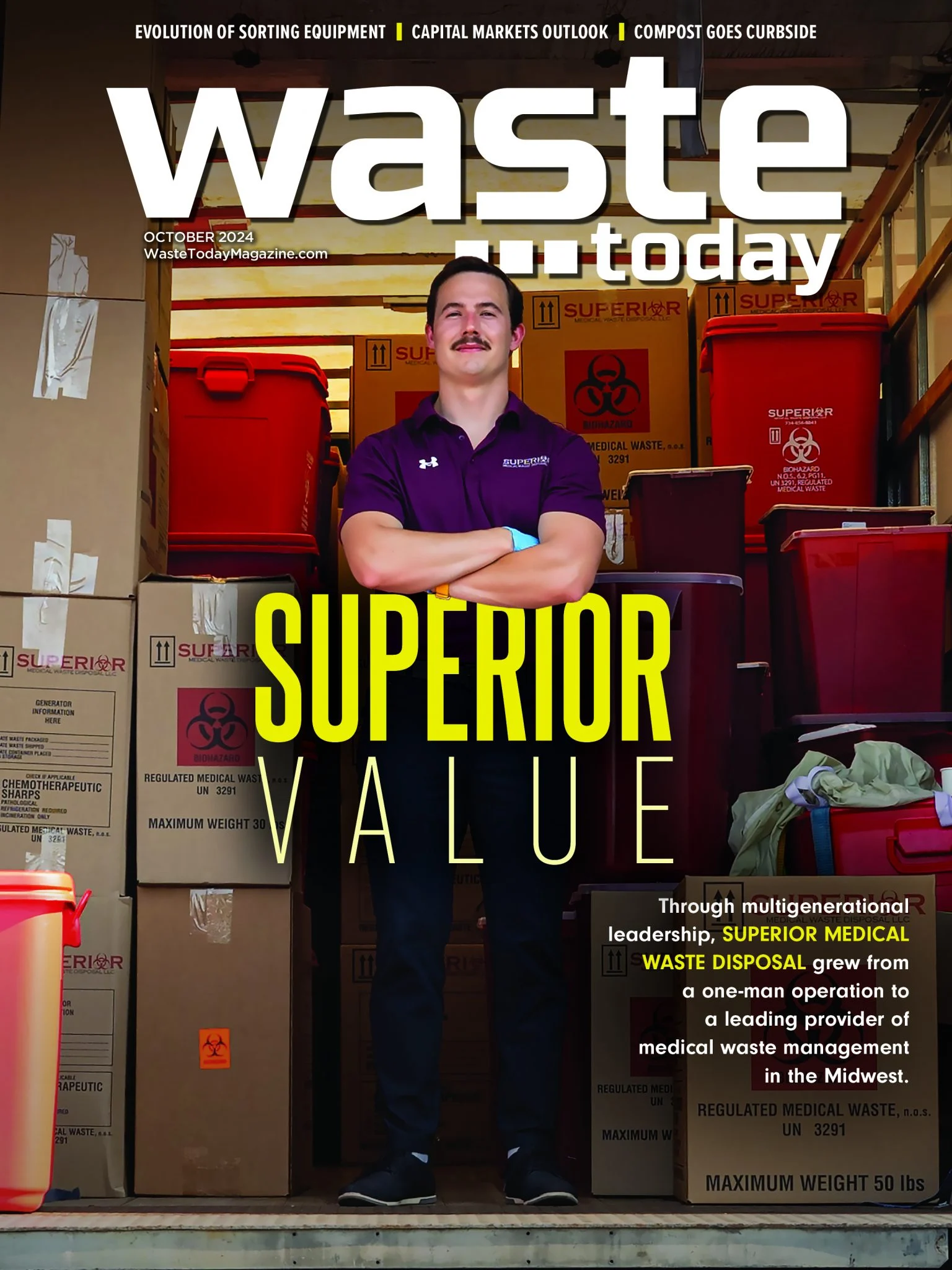
Superior Medical Waste Disposal: Comprehensive Medical Waste Management Solutions
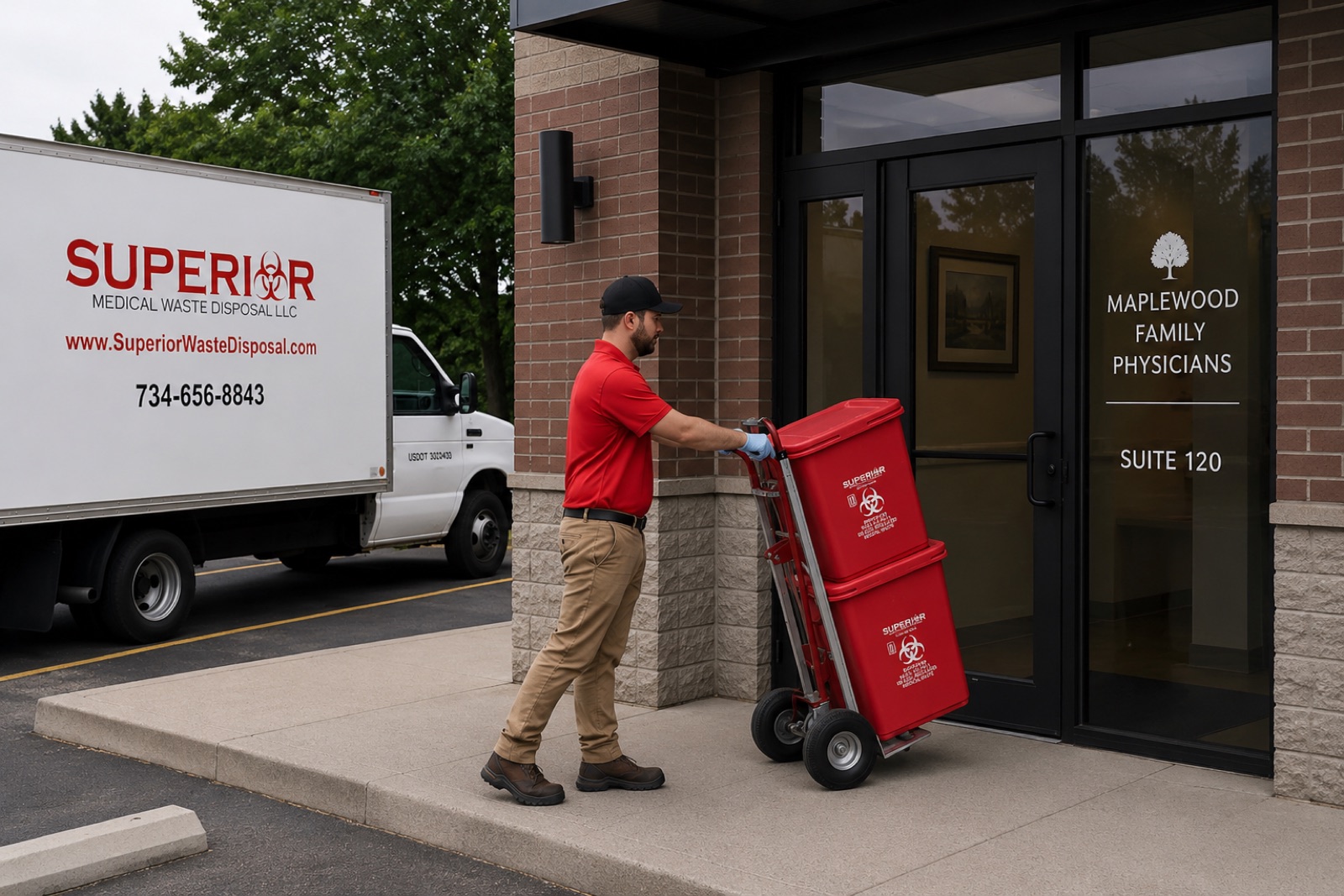
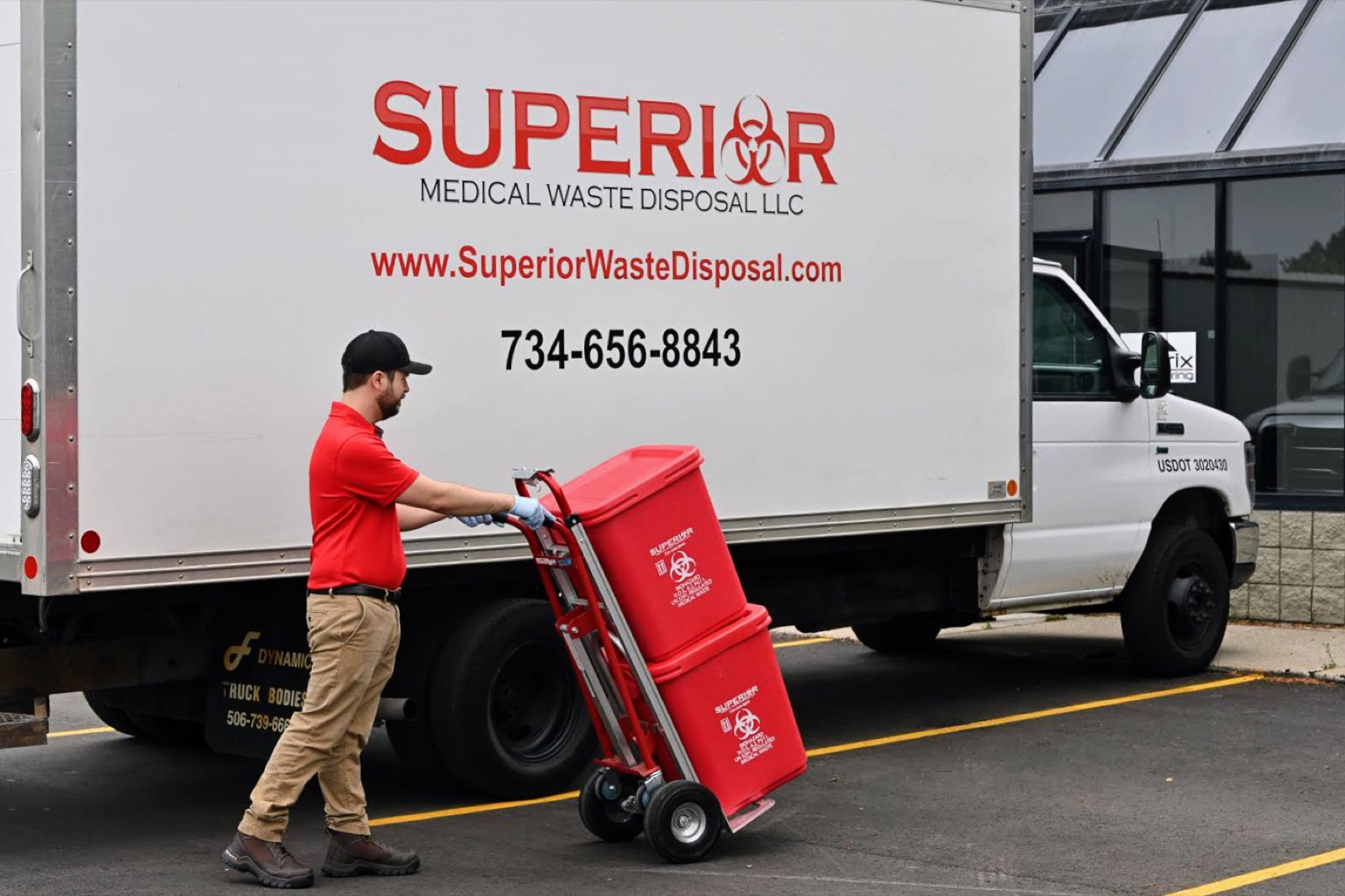
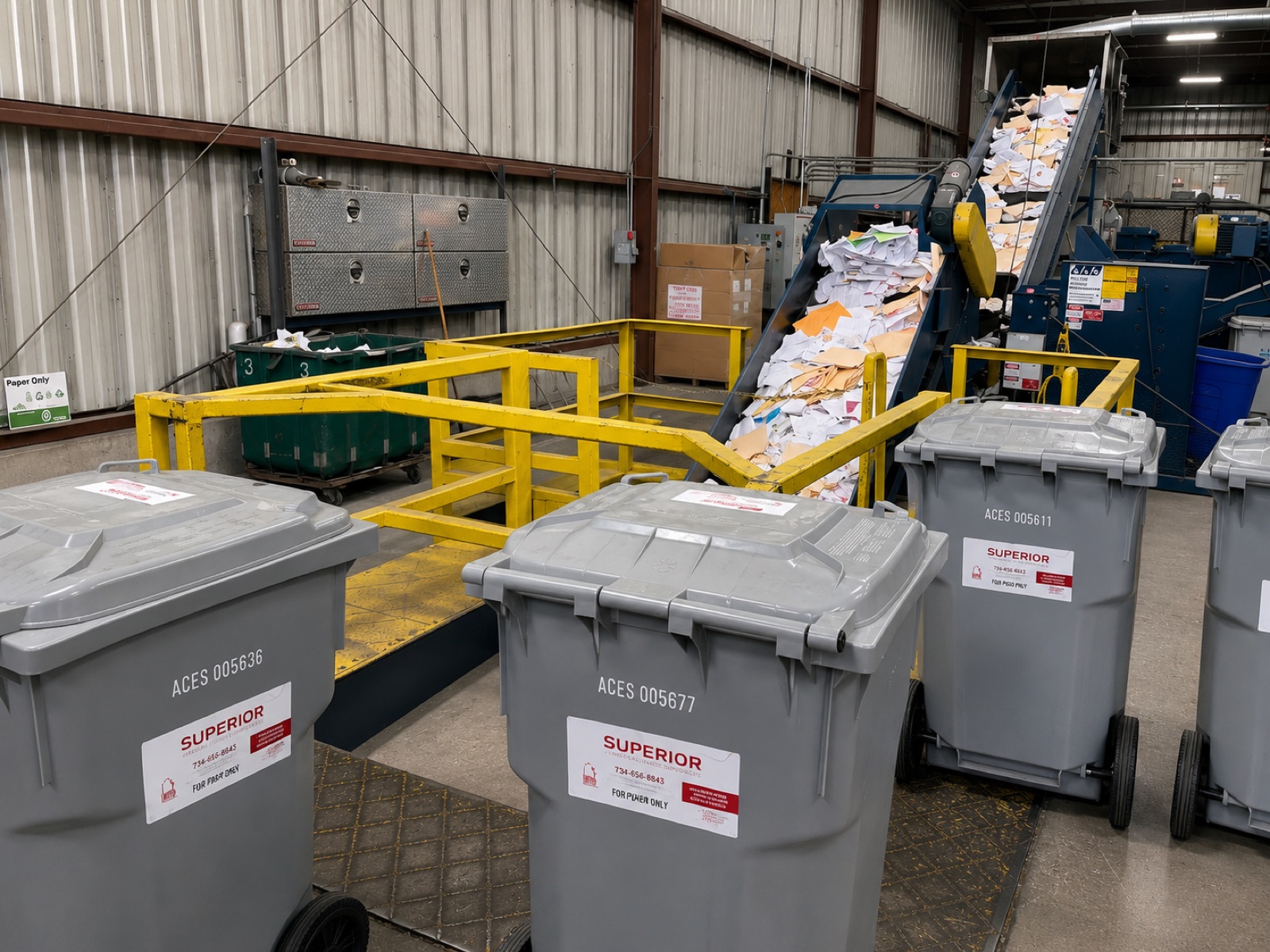
Superior Medical Waste Disposal provides a comprehensive suite of services designed specifically for medical facilities. These services include:
- Regulated medical refuse disposal
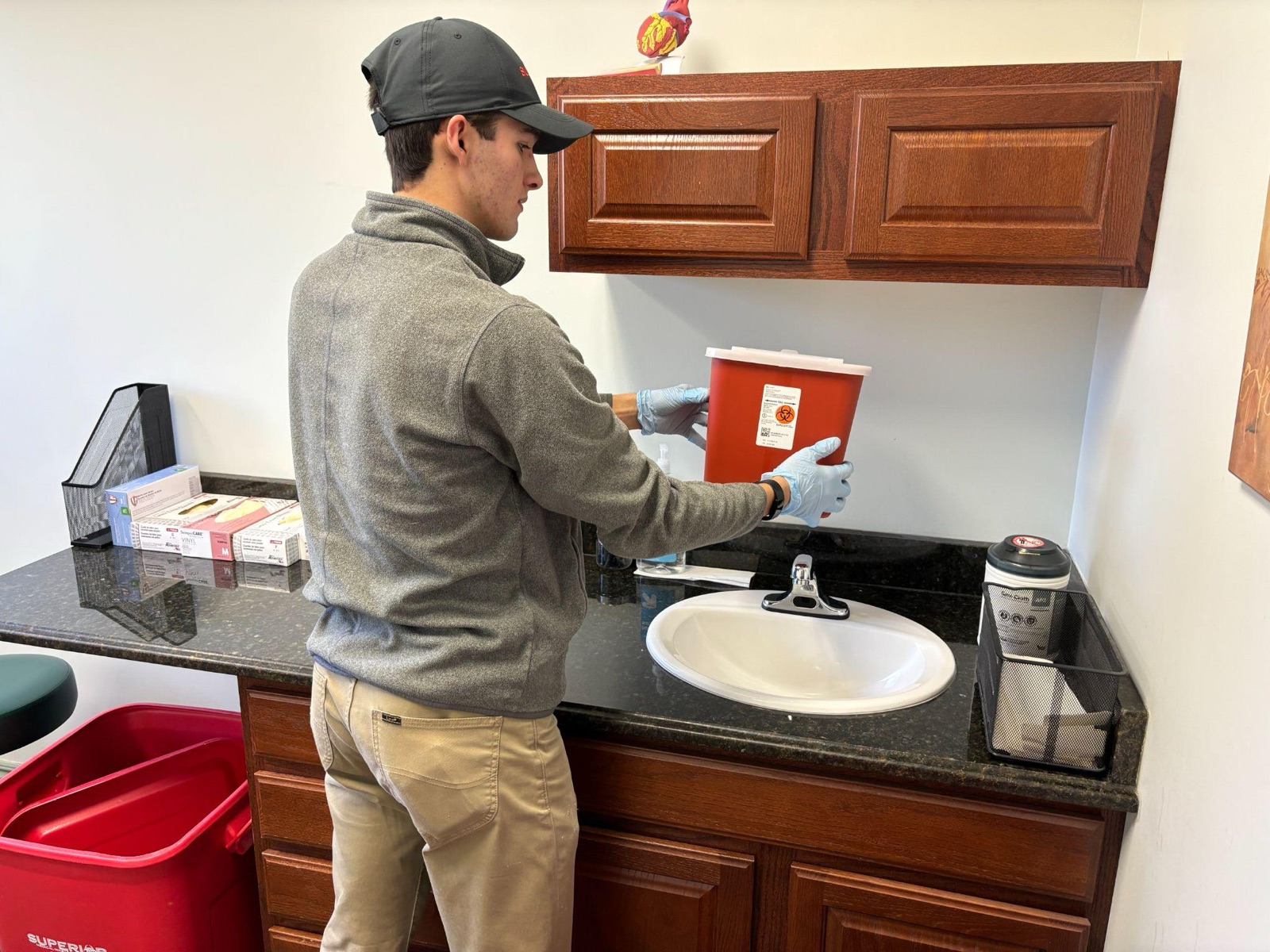
- Sharps collection
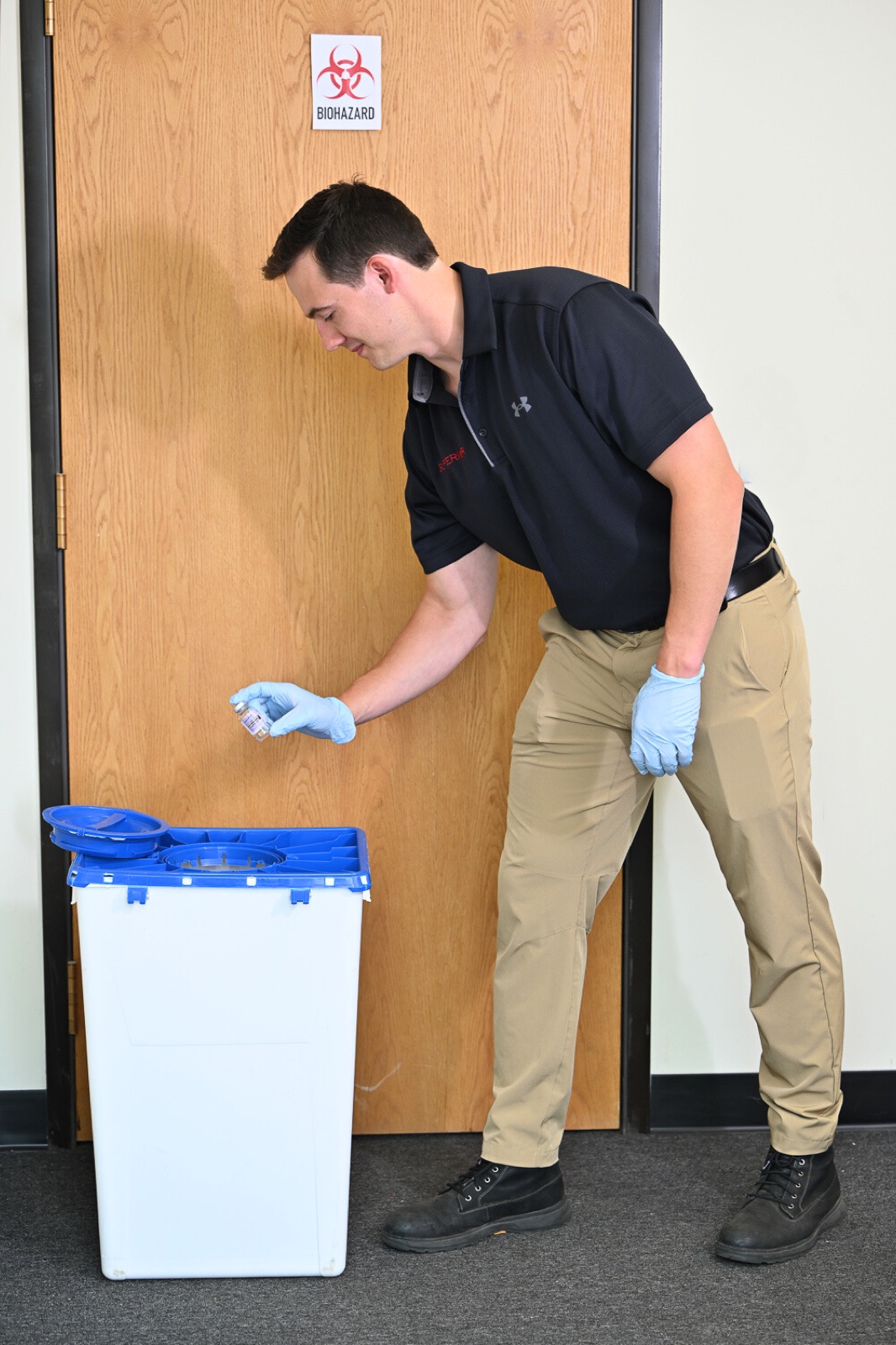
- Pharmaceutical refuse removal
- Hazardous refuse disposal
Given that the medical services sector generates approximately 5.9 million tons of clinical refuse annually, the need for effective disposal strategies has never been more critical.
Implementing tailored refuse handling strategies is essential. Such strategies enable medical practitioners to navigate complex regulatory standards while enhancing safety and promoting ecological sustainability. A notable number of medical facilities are now embracing these customized solutions to improve their disposal practices. This proactive approach not only mitigates risks associated with improper refuse disposal but also meets the increasing demand for within the industry.
As medical administrators recognize the importance of tailored refuse handling, they emphasize that these strategies are vital for ensuring compliance and safeguarding public health. Additionally, our pharmaceutical refuse handling and removal service, along with OSHA compliance training for personnel, underscores our commitment to providing expert medical refuse solutions.

Sustainable Practices: Emphasizing Environmental Responsibility in Waste Management
Sustainable resource management methods are crucial for [effective waste management in hospitals](https://amlongroup.com/news/the-healthcare-waste-challenge-why-traditional-methods-are-failing-americas-healthcare-system) and reducing the environmental impact of healthcare facilities. Key strategies include:
- Implementing effective recycling programs
- Minimizing single-use items
- Adopting eco-friendly disposal methods
For example, hospitals can enhance waste management by improving waste segregation efforts to ensure that recyclable materials are diverted from landfills, thereby fostering a circular economy. This not only meets regulatory expectations but also significantly enhances an establishment’s reputation.
Research shows that medical organizations prioritizing environmental responsibility can improve patient recruitment and staff retention, as stakeholders increasingly demand transparency and leadership in sustainability. Notably, Traverse City medical centers, such as Munson and Byers Heather, have successfully implemented recycling programs, demonstrating that effective waste management can lead to substantial operational savings and positive community impacts.
By adopting these practices, medical institutions can position themselves as leaders in waste management while contributing to broader climate objectives. [Superior Medical Disposal](https://superiorwastedisposal.com) specializes in comprehensive medical refuse solutions, including expert pharmaceutical waste handling and secure document destruction services tailored for medical establishments.

Technological Innovations: Transforming Waste Management Processes in Healthcare
Technological advancements such as smart refuse bins, RFID tracking, and automated sorting systems are revolutionizing waste management in hospitals. These systems significantly improve the and tracking, ensuring compliance with stringent regulations. For instance, hospitals that have adopted intelligent disposal bins report a 30% reduction in collection times and an impressive 81% decrease in hazardous mixing incidents. This not only mitigates the risk of contamination but also streamlines disposal processes.
Industry leaders emphasize the importance of these technologies, noting that RFID tracking provides real-time data on refuse generation and disposal, which is crucial for compliance and enhancing refuse handling strategies. The integration of automated sorting systems further aids hospitals in achieving their reduction targets, with some facilities reporting overall reductions of 10-30% post-implementation.
In Traverse City, medical centers like Munson and Byers Heather have successfully embraced these technologies, leading to improved disposal outcomes. For example, hospitals using smart bins equipped with sensors that notify staff when full have experienced notable enhancements in collection efficiency.
In addition to these technological advancements, Superior Medical Disposal offers specialized pharmaceutical disposal services and OSHA compliance training to ensure that medical facilities meet their legal obligations. As the medical field evolves, the integration of these innovative solutions, alongside Superior’s comprehensive medical refuse handling services, is vital for enhancing operational efficiency and promoting environmental sustainability in refuse management.

Regulatory Compliance: Navigating the Complex Landscape of Waste Management Laws
Navigating the complex landscape of waste management in hospitals regulations is crucial for healthcare administrators. Regulations from agencies such as OSHA and the EPA dictate the handling, storage, and disposal of medical materials. To prevent penalties and ensure the safety of patients and staff, facilities must develop that comply with these regulations.
A key component of these strategies is bloodborne pathogens training for all staff involved in managing such materials. This training must be documented and accessible for review for a minimum of three years. Regular training and evaluations are essential for maintaining compliance and improving disposal practices.
Understanding the specific regulations for waste management in hospitals is also vital. Establishments should consult local environmental authorities regarding regulations and management procedures. Additionally, it is important to ensure that biohazard materials are handled properly through waste management in hospitals, typically by autoclaving, which disinfects materials before they are discarded as regular refuse.
At Superior Medical Waste Disposal, we not only autoclave but also shred biohazard material, reducing its volume by 70% before landfill disposal. This approach ensures compliance and enhances efficiency in handling.

Safety and Infection Control: Prioritizing Health in Waste Management Practices
Effective waste management in hospitals is essential for ensuring safety and infection control in healthcare facilities. This includes:
- Using appropriate containers for sharps and biohazardous materials
- Enforcing strict segregation protocols
- Ensuring personnel are trained in safe handling procedures
Before generating, storing, or disposing of [biohazard materials](https://www.superiorwastedisposal.com/10-essential-tips-for-effective-med-waste-management-in-healthcare/), it is crucial to consult local environmental authorities to understand the specific regulations and laws applicable in your state. For instance, in Michigan, regulations stipulate that biohazard material can only be stored for up to 90 days before it must be removed by a licensed medical refuse hauler.
At [Superior Medical Disposal](https://superiorwastedisposal.com), we prioritize health and safety by autoclaving and shredding biohazard materials, which reduces their volume by 70% before disposal in a sanitary landfill. By focusing on waste management in hospitals, they can minimize the risk of infections and protect both patients and medical staff.

Current Challenges: Identifying Obstacles in Hospital Waste Management
Hospitals encounter significant challenges in refuse management, primarily due to inadequate staff training, limited resources, and the complexities of regulatory compliance. Notably, approximately 70% of healthcare workers report insufficient training in managing medical refuse, leading to improper disposal methods and increased risks of exposure to hazardous substances. The growing volume and diversity of , particularly due to the rise in disposable medical items, further complicate disposal efforts. For instance, U.S. hospitals generate over 14,000 tons of refuse daily, averaging 33.8 pounds per patient, underscoring the urgent need for effective disposal strategies.
Healthcare administrators have expressed their frustrations regarding these issues. One administrator noted, “The confusion surrounding refuse classification results in increased medical refuse generation, making it difficult to ensure compliance and safety.” To tackle these challenges, hospitals are implementing various strategies:
- Comprehensive training programs for staff can significantly enhance awareness and adherence to disposal protocols.
- Employing technologies such as pyrolysis can reduce refuse volume by up to 75%, thereby lowering transportation costs and landfill requirements.
By acknowledging these challenges and proactively seeking solutions, healthcare facilities can improve their refuse management practices, ensuring compliance with regulations and promoting environmental sustainability.

Waste Volume and Diversity: Understanding the Types of Waste in Healthcare Facilities
Healthcare facilities generate a variety of refuse types, including general refuse, hazardous refuse, and regulated medical refuse. Understanding the volume and diversity of this refuse is essential for effective management. Proper segregation not only ensures compliance with stringent regulations but also significantly enhances recycling efforts and reduces disposal costs. Approximately 85% of refuse produced by healthcare activities is classified as general, non-hazardous material, while 15% is considered hazardous. This distinction is crucial, as , including exposure to harmful microorganisms and toxic substances.
Current trends show an increasing focus on waste management in hospitals, particularly through refuse segregation practices. Many facilities are now adopting reusable sharps containers, which reduce environmental impact and lower disposal-related expenses. Experts in refuse handling stress that effective separation is vital for a successful disposal strategy. As one expert noted, “The handling of medical refuse necessitates greater focus and care to prevent negative health effects linked to inadequate practices.”
Examples of efficient waste management in hospitals can be found in those that have implemented comprehensive training programs for staff, ensuring that all personnel understand the importance of proper disposal. These initiatives not only promote compliance but also foster a culture of safety and sustainability within medical environments. By prioritizing refuse separation, medical institutions can minimize risks, enhance recycling initiatives, and ultimately reduce their operational costs.

Economic Considerations: Analyzing Costs and Benefits of Waste Management Solutions
Efficient waste management in hospitals can lead to significant cost reductions for medical institutions. By implementing recycling initiatives and ensuring proper segregation of materials, hospitals can notably decrease their volume of refuse, which is essential for effective waste management in hospitals and results in lower disposal costs. For instance, healthcare facilities that adopt recycling practices often report reductions in disposal costs, with some achieving savings of up to 30% annually.
Moreover, the financial benefits of recycling extend beyond immediate cost savings; they also help avoid substantial fines associated with non-compliance with regulations, which can amount to thousands of dollars. Investing in advanced disposal technologies and comprehensive staff training not only enhances operational efficiency but also contributes to improved financial outcomes.
Financial analysts emphasize that hospitals prioritizing waste management in hospitals can expect a return on investment through reduced operational expenses and enhanced sustainability. This approach ultimately .

Future Trends: Anticipating Changes in Hospital Waste Management Practices
The future of waste management in hospitals is poised for transformation, driven by technological advancements, increased regulatory scrutiny, and a heightened focus on sustainability. A significant trend is the adoption of intelligent refuse handling systems that leverage IoT technologies to optimize collection and monitoring. This not only enhances operational efficiency but also reduces environmental impact. For example, hospitals are increasingly implementing automated material recovery systems, which improve sorting accuracy and minimize the manual handling of hazardous materials.
In this evolving landscape, the role of expert services, such as those offered by [Superior Medical Waste Disposal](https://superiorwastedisposal.com), is becoming increasingly vital. Their [pharmaceutical disposal management and removal service](https://medcitynews.com/2025/04/advancing-patient-planet-health-through-proper-healthcare-waste-management) includes comprehensive training for personnel on OSHA regulations, ensuring that medical establishments remain compliant with legal standards. This focus on adherence is essential as medical providers navigate the complexities of disposal regulations.
Statistics reveal a growing shift towards biodegradable materials within the medical sector, with many facilities acknowledging the necessity to lessen their environmental footprint. By 2025, the global refuse management market is projected to reach USD 1.98 trillion, reflecting a compound annual growth rate of 5.7%. This underscores the urgency for healthcare providers to .
Industry leaders stress the critical role of technology in this evolution. Advancements in AI and robotics are revolutionizing waste management in hospitals by enhancing refuse sorting processes, enabling them to achieve higher recycling rates while complying with stringent regulations. Furthermore, the integration of digital refuse tracking systems is becoming essential, as it enhances traceability and accountability in disposal.
By proactively adapting to these trends and utilizing expert services like those from Superior Medical Waste Disposal, medical facilities can ensure compliance with evolving regulations and position themselves as leaders in sustainability. Embracing cleaner technologies and innovative refuse handling solutions will ultimately lead to improved operational efficiency and a reduced environmental impact.

Training and Compliance: Ensuring Staff Readiness in Waste Management Protocols
Training is essential for effective refuse oversight in medical environments. It ensures that personnel are well-versed in appropriate segregation, handling methods, and adherence to regulations. Superior Medical Waste Disposal provides comprehensive through an accessible portal, covering critical topics such as HIPAA, bloodborne pathogens, and other compliance-related subjects.
Regular training sessions keep personnel informed about the latest protocols and reinforce best practices that enhance safety and compliance. Organized training programs have shown significant improvements in knowledge and practices among healthcare professionals. Research indicates that such education can lead to a notable increase in accurate responses regarding biomedical disposal management.
Compliance trainers stress the importance of ongoing education; without it, knowledge retention can diminish over time. Effective staff training programs often include interactive elements, such as hands-on activities and real-world scenarios, to engage participants and reinforce learning.
Optimal methods for refuse segregation and handling involve:
- Clear labeling of disposal containers
- Regular audits of refuse streams
- The use of reusable sharps containers to promote sustainability
Healthcare establishments, including dental practices, physician’s offices, and pharmacies, can greatly benefit from these training services.
As healthcare facilities face increasing scrutiny regarding waste management in hospitals, ensuring staff readiness through robust training programs is not just beneficial but essential for compliance and operational efficiency.

Conclusion
Effective waste management in hospitals is not merely a regulatory obligation; it is essential for safeguarding public health and promoting environmental sustainability. This article underscores the need for comprehensive strategies that include tailored refuse handling, sustainable practices, and innovative technologies. By prioritizing these areas, medical facilities can not only enhance compliance with regulations but also protect the well-being of patients and staff alike.
Key arguments throughout the article emphasize the importance of:
- Understanding the types of waste generated
- The role of technology in optimizing disposal processes
- The necessity for robust training programs to ensure staff readiness
The challenges hospitals face, such as inadequate training and resource limitations, highlight the urgent need for effective waste management practices. Moreover, the economic advantages of implementing these strategies are clear, leading to significant cost savings and improved operational efficiency.
As the healthcare industry evolves, adopting sustainable waste management practices becomes increasingly vital. Medical facilities should remain informed about emerging trends and technologies that can enhance their waste disposal efforts. By investing in comprehensive training and innovative solutions, hospitals can position themselves as leaders in environmental responsibility, benefiting both their financial performance and the communities they serve. The call to action is unequivocal: prioritize waste management to foster a healthier future for all.
Frequently Asked Questions
What services does Superior Medical Waste Disposal provide?
Superior Medical Waste Disposal offers a comprehensive suite of services including regulated medical refuse disposal, sharps collection, pharmaceutical refuse removal, and hazardous refuse disposal.
Why is effective medical waste disposal important?
Effective medical waste disposal is critical as the medical services sector generates approximately 5.9 million tons of clinical refuse annually. Proper disposal strategies help navigate complex regulatory standards, enhance safety, and promote ecological sustainability.
How do tailored refuse handling strategies benefit medical facilities?
Tailored refuse handling strategies help medical facilities ensure compliance with regulations, safeguard public health, mitigate risks associated with improper disposal, and meet the increasing demand for cleaner technologies.
What sustainable practices can hospitals implement for waste management?
Hospitals can implement effective recycling programs, minimize single-use items, and adopt eco-friendly disposal methods to reduce their environmental impact and enhance waste management.
How does improving waste segregation contribute to sustainability?
Improving waste segregation ensures that recyclable materials are diverted from landfills, fostering a circular economy, which meets regulatory expectations and enhances an establishment’s reputation.
What are the benefits of prioritizing environmental responsibility in medical organizations?
Medical organizations that prioritize environmental responsibility can improve patient recruitment and staff retention, as stakeholders increasingly demand transparency and leadership in sustainability.
What technological innovations are transforming waste management in healthcare?
Technological innovations such as smart refuse bins, RFID tracking, and automated sorting systems are improving waste management efficiency, compliance, and refuse segregation in hospitals.
What impact do smart refuse bins have on waste management?
Hospitals using smart refuse bins report a 30% reduction in collection times and an 81% decrease in hazardous mixing incidents, improving collection efficiency and reducing contamination risks.
How does RFID tracking enhance waste management processes?
RFID tracking provides real-time data on refuse generation and disposal, which is crucial for compliance and enhancing refuse handling strategies in healthcare facilities.
What additional services does Superior Medical Disposal offer?
In addition to medical refuse handling, Superior Medical Disposal offers specialized pharmaceutical disposal services and OSHA compliance training to ensure medical facilities meet their legal obligations.