Introduction
Implementing an effective sharps pick-up service is essential for ensuring safety in healthcare environments, where the risk of needle-related injuries is a constant concern. Establishing clear protocols, training staff, conducting regular audits, and engaging with community resources are critical steps that healthcare facilities can take to enhance their sharps disposal practices. However, a significant challenge persists: how can these best practices be seamlessly integrated into daily operations to not only meet compliance standards but also cultivate a culture of safety and responsibility?
Establish Clear Protocols for Sharps Disposal
To implement efficient , healthcare facilities must establish clear protocols for needle management. This involves:
- Specifying the categories of hazardous items that require disposal
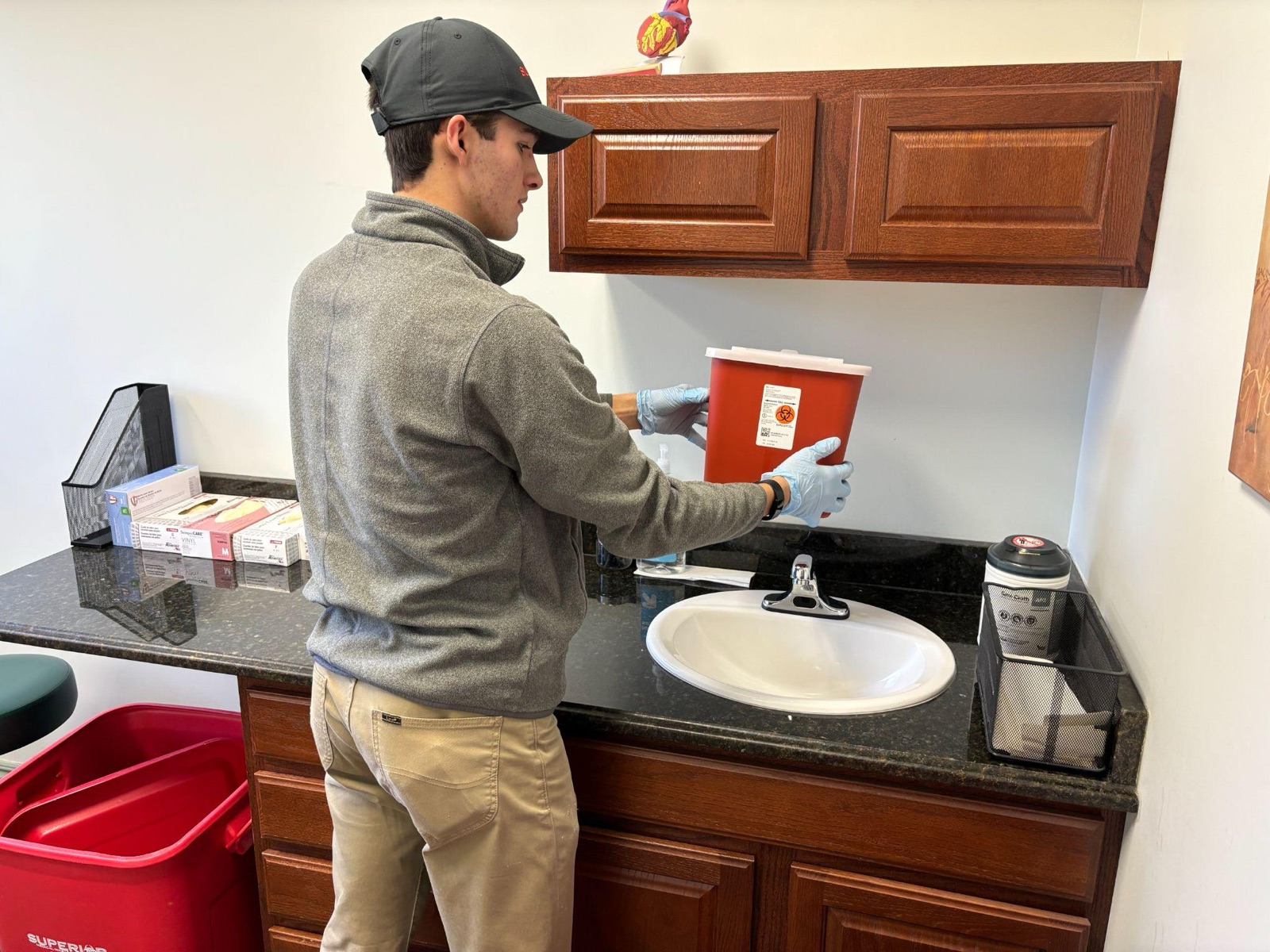
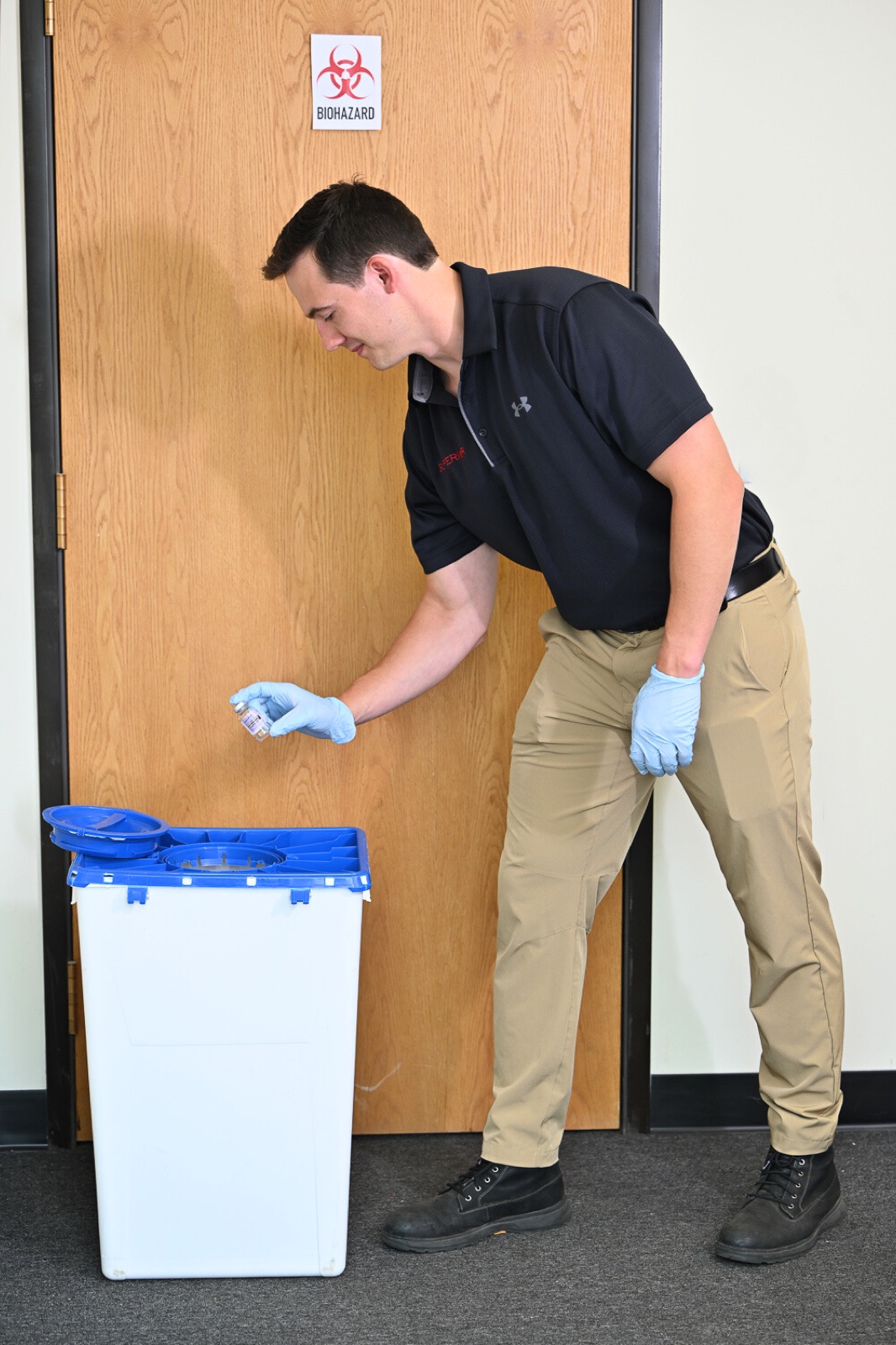
- Selecting appropriate puncture-resistant containers
- Detailing the processes for managing and transporting these containers
According to FDA guidelines, sharps should be disposed of immediately after use to minimize risks associated with needle handling.
Documentation of these procedures is essential, ensuring that they are readily accessible to all staff members. Regular reviews of these protocols are necessary to maintain compliance with evolving regulations and best practices. This ongoing evaluation not only enhances safety but also improves operational efficiency within healthcare settings, particularly through the implementation of a sharps pick up service.

Train Staff on Safe Sharps Handling and Disposal
Training personnel on the is essential for an efficient sharps pick up service. This training must address the risks associated with sharps, the proper use of disposal containers, and emergency procedures in the event of an injury.
Regular training sessions should be supplemented with visual aids and hands-on demonstrations to reinforce safe practices. For example, utilizing scenarios from actual incidents can effectively illustrate the importance of adhering to established protocols. Such real-life examples not only enhance understanding but also emphasize the potential consequences of neglecting safety measures.
Moreover, incorporating staff feedback into training programs can significantly improve their effectiveness and engagement. This approach fosters a culture of safety and compliance within the healthcare facility, ensuring that all personnel are not only informed but also actively involved in maintaining a safe environment.

Conduct Regular Audits of Sharps Disposal Practices
Regular audits of the sharps pick up service practices are essential for ensuring compliance and identifying potential hazards. These audits must assess the effectiveness of existing guidelines, the condition of waste containers, and staff adherence to safety protocols. By utilizing a checklist that aligns with OSHA guidelines, the audit process can be streamlined effectively. For instance, audits can verify whether containers are filled to capacity prior to collection and if they are stored in designated, safe locations.
Recording the outcomes of these audits is vital, as it informs necessary updates to training and revisions to protocols. This process ultimately within the establishment.

Engage with Community Resources for Enhanced Disposal Solutions
Cooperation with community resources is vital for enhancing needle management solutions. Healthcare establishments must collaborate with local waste management agencies, pharmacies, and community health groups to create safe disposal options for needles. For instance, many communities provide drop-off initiatives or mail-back services for used needles, offering patients convenient and responsible methods for disposal. Additionally, participating in community health fairs can raise awareness about safe needle management practices, fostering public involvement in these essential initiatives.
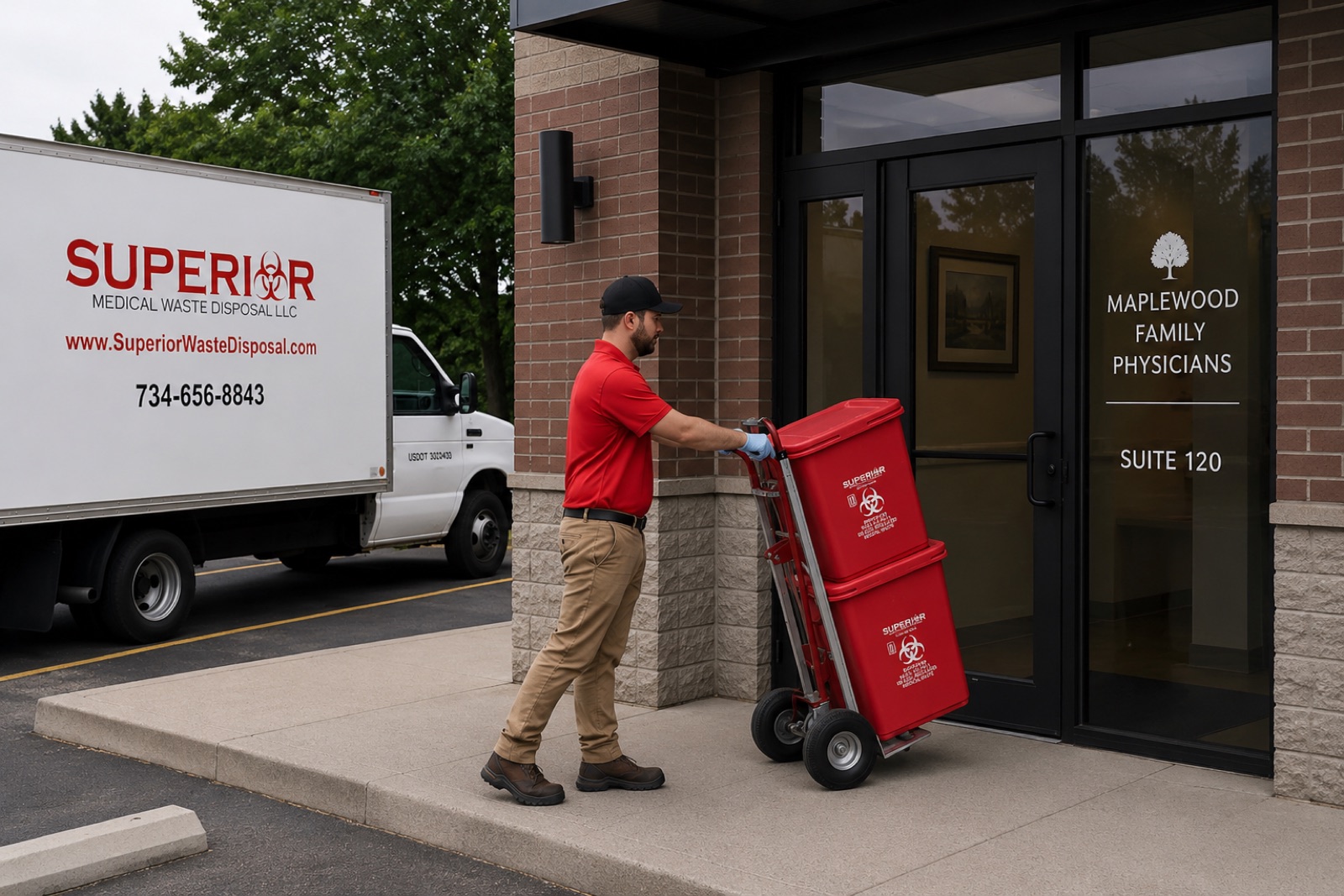
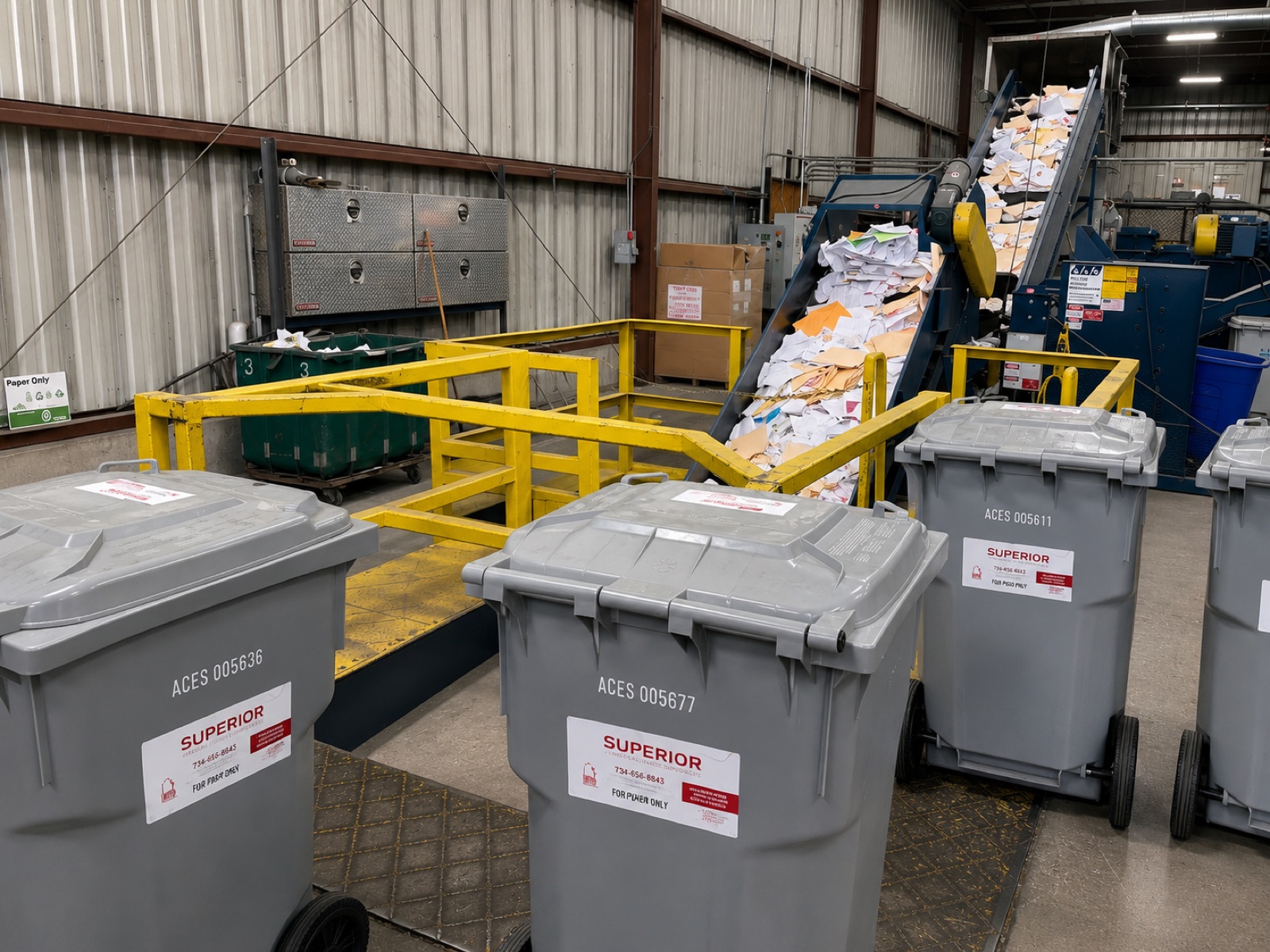
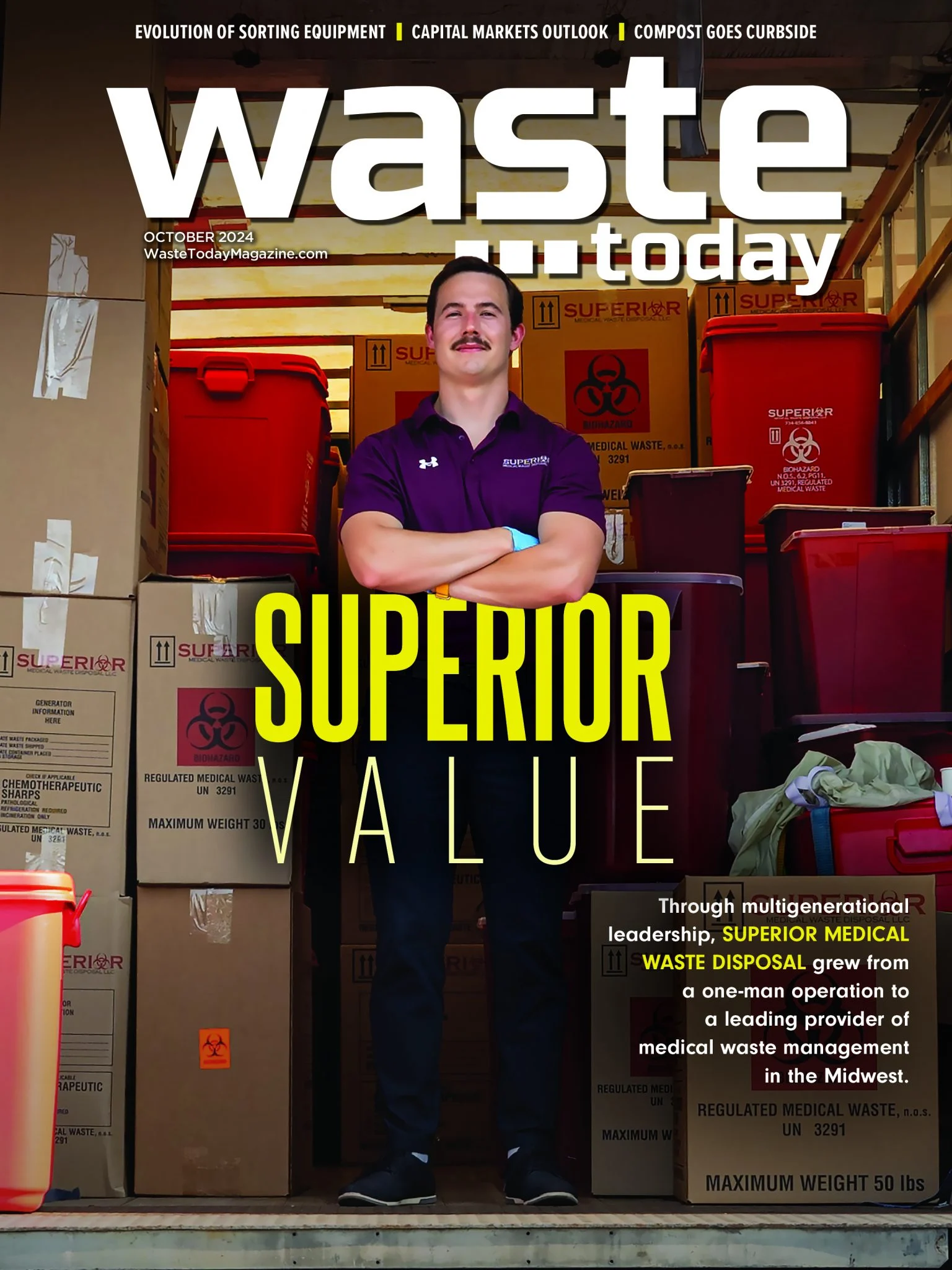
Superior Medical Waste Disposal specializes in comprehensive medical waste management solutions in Traverse City, ensuring compliance and safety in handling regulated waste, including needles. Their strategic partnerships with prominent organizations enhance their expertise and regulatory adherence, positioning them as a . Statistics indicate that approximately 70% of healthcare facilities are currently collaborating with local waste management services to enhance their sharps pick up service, reflecting a growing commitment to community health and safety. Public health officials stress that such collaborations are crucial, asserting, “Community engagement is key to ensuring safe disposal practices are accessible and effective for all residents.

Conclusion
Implementing an effective sharps pick up service is essential for ensuring safety and compliance in healthcare settings. By establishing clear protocols, training staff, conducting regular audits, and engaging with community resources, healthcare facilities can manage needle disposal with care and efficiency. These practices not only safeguard staff and patients but also foster a culture of safety within the organization.
The article highlights several best practices, beginning with the necessity for well-defined protocols that outline hazardous items and appropriate disposal methods. Staff training on safe handling and disposal is critical, as is the role of regular audits in assessing compliance and pinpointing areas for improvement. Furthermore, collaboration with community resources enhances disposal solutions, making safe practices accessible to all.
Ultimately, a commitment to effective sharps disposal practices signifies a broader dedication to public health and safety. Healthcare facilities are urged to adopt these best practices and actively engage with their communities to create a safer environment for everyone. By prioritizing sharps management, organizations not only adhere to regulations but also contribute to the well-being of their staff and the communities they serve.
Frequently Asked Questions
What are the key components of establishing protocols for sharps disposal in healthcare facilities?
The key components include specifying categories of hazardous items for disposal, selecting appropriate puncture-resistant containers, and detailing the processes for managing and transporting these containers.
What guidelines does the FDA provide regarding sharps disposal?
The FDA guidelines recommend that sharps should be disposed of immediately after use to minimize risks associated with needle handling.
Why is documentation of sharps disposal procedures important?
Documentation is essential to ensure that procedures are readily accessible to all staff members, promoting safety and compliance.
How often should the protocols for sharps disposal be reviewed?
Regular reviews of the protocols are necessary to maintain compliance with evolving regulations and best practices.
What benefits can arise from implementing a sharps pick up service?
Implementing a sharps pick up service enhances safety and improves operational efficiency within healthcare settings.