4-best-practices-for-hipaa-data-destruction-in-healthcare-facilities

4 Best Practices for HIPAA Data Destruction in Healthcare Facilities

Introduction

In the intricate realm of healthcare, safeguarding sensitive patient information is crucial, especially under the rigorous standards set by HIPAA. As healthcare facilities work through the complex requirements for data destruction, grasping the best practices for securely disposing of Protected Health Information (PHI) is vital. Yet, a notable percentage of organizations struggle with compliance, raising the question: how can facilities ensure they meet regulatory standards while also protecting against potential data breaches? This article explores essential strategies for effective HIPAA data destruction, providing insights that can strengthen compliance and enhance data security within healthcare organizations.

Understand HIPAA Compliance Requirements

Healthcare facilities must have a comprehensive understanding of the , which are essential for protecting Protected Health Information (PHI). These regulations require maintaining confidentiality, ensuring data integrity, and implementing strong during data disposal. Notably, the privacy law mandates that , and any disposal of PHI must adhere to requirements to ensure that the data is rendered unreadable and irretrievable.

Recent updates to health information regulations highlight the necessity for detailed . These evaluations are crucial for compliance and for enhancing . Statistics reveal that a significant number of healthcare organizations are not fully compliant with these requirements, underscoring the need for . For instance, nearly 36% of healthcare organizations do not evaluate staff on their privacy training, indicating a considerable gap in adherence initiatives.

By establishing that align with federal regulations, healthcare organizations can mitigate risks associated with improper disposal of sensitive information and strengthen their overall .

The central node represents the main topic of HIPAA compliance, while the branches show the key areas and specific details related to each requirement. Follow the branches to understand how each aspect contributes to overall compliance.

Implement Secure Medical Records Destruction Methods

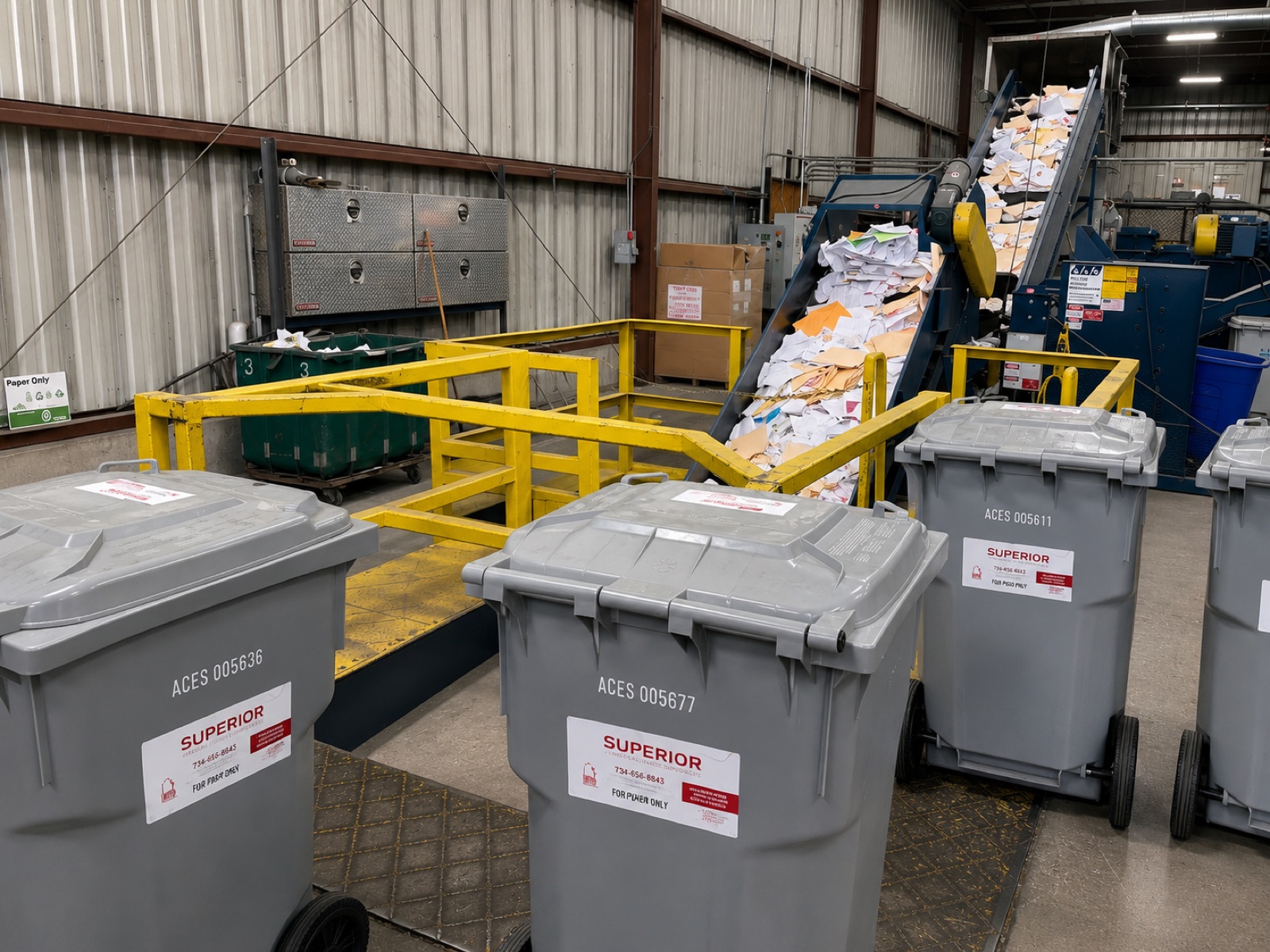
To ensure HIPAA compliance, healthcare facilities must adopt for both physical and electronic records, emphasizing the importance of . Cross-cut shredding stands out as an effective solution for paper documents, producing small particles that are nearly impossible to reconstruct. This method plays a crucial role in . Utilizing , such as those offered by , can save time and resources, allowing staff to focus on patient care rather than document disposal.

For electronic records, methods of are equally vital. Techniques such as:

  1. Degaussing
  2. Physically destroying hard drives
  3. Employing certified data-wiping software

are essential to protect sensitive data. Partnering with certified disposal services for [HIPAA data destruction](https://hipaajournal.com/hipaa-retention-requirements) is advisable; these providers issue a , which serves as proof of compliance and accountability in the HIPAA data destruction process.

By implementing these , healthcare organizations can effectively safeguard patient information and reduce the risks associated with , which have become increasingly common in the healthcare sector.

This flowchart outlines the methods for securely destroying medical records. Follow the paths to see how physical and electronic records are handled, ensuring compliance with HIPAA regulations.

Maintain Documentation of Destruction Activities

Healthcare facilities must maintain comprehensive records of all disposal activities to ensure related to . This documentation should include the date of disposal, the method employed, and a detailed description of the records eliminated, such as patient and other sensitive materials. Careful record-keeping not only ensures but also serves as a safeguard against potential legal disputes.

To achieve this, organizations should adopt a . It is essential that all staff involved in the process are adequately trained on the importance of precise record-keeping and the necessity of . Statistics indicate that organizations with are significantly more likely to meet regulatory standards. For instance:

  1. 62% of healthcare organizations conduct annual .
  2. 54% of respondents believe that educating medical and support staff is the most effective strategy for mitigating threats to electronic protected health information (ePHI) security.

By prioritizing thorough documentation and training, along with , healthcare organizations can enhance their operational integrity and effectively safeguard sensitive information.

The center represents the main focus on documentation, with branches showing related topics like training and methods. Each branch highlights important aspects that contribute to effective HIPAA compliance.

Train Staff on HIPAA Data Destruction Protocols

Training serves as a fundamental pillar of , particularly regarding HIPAA . Healthcare centers must implement that highlight the significance of and delineate the specific protocols staff are required to follow. Effective training should cover:

  1. The identification of
  2. An understanding of
  3. The

To uphold a high level of awareness and adherence to regulations, it is essential to integrate and updates on any into the training curriculum. This ongoing education guarantees that all employees remain well-informed and vigilant in their responsibilities, ultimately strengthening the facility’s compliance posture.

The center represents the main training focus, and the branches show the key components that staff need to learn about secure data disposal and compliance.

Conclusion

Healthcare facilities must prioritize HIPAA data destruction to protect sensitive patient information and ensure compliance with federal regulations. Understanding the intricacies of HIPAA requirements and implementing effective practices can significantly reduce the risks associated with improper data disposal. Effective data destruction safeguards Protected Health Information (PHI) and reinforces the commitment to patient confidentiality and trust.

Key strategies for achieving HIPAA compliance include:

  1. Adopting secure destruction methods for both physical and electronic records
  2. Maintaining meticulous documentation of disposal activities
  3. Providing comprehensive training for staff

Each of these components plays a vital role in fostering a culture of compliance within healthcare organizations. Regular evaluations and updates to these practices are essential, as they help address emerging threats and reinforce the importance of safeguarding sensitive data.

Ultimately, the responsibility of HIPAA data destruction falls on every member of a healthcare facility. By committing to robust training and adherence to established guidelines, organizations can create a secure environment that not only meets compliance standards but also prioritizes patient safety and privacy. Embracing these best practices is not merely a regulatory obligation; it is a crucial step toward fostering trust and integrity in the healthcare system.

Frequently Asked Questions

What is the purpose of HIPAA compliance requirements?

HIPAA compliance requirements are essential for protecting Protected Health Information (PHI) by maintaining confidentiality, ensuring data integrity, and implementing safeguards for data destruction during disposal.

How long must specific documents related to PHI be retained according to HIPAA regulations?

Specific documents must be retained for a minimum of six years as mandated by HIPAA privacy law.

What must healthcare organizations do when disposing of PHI?

Healthcare organizations must adhere to HIPAA data destruction requirements to ensure that PHI is rendered unreadable and irretrievable during disposal.

Why are annual risk evaluations important for healthcare organizations?

Annual risk evaluations are crucial for compliance and for enhancing data protection strategies, helping organizations identify and mitigate potential risks.

What percentage of healthcare organizations are not fully compliant with HIPAA requirements?

Statistics reveal that nearly 36% of healthcare organizations do not evaluate staff on their privacy training, indicating a significant gap in compliance.

How can healthcare organizations strengthen their compliance posture regarding HIPAA?

By establishing effective policies for HIPAA data destruction that align with federal regulations, healthcare organizations can mitigate risks associated with improper disposal of sensitive information.

List of Sources

  1. Understand HIPAA Compliance Requirements
  • ama-assn.org (https://ama-assn.org/practice-management/hipaa)
  • 51 HIPAA Statistics Every Healthcare Entity Needs to Know in 2026 | UpGuard (https://upguard.com/blog/hipaa-statistics)
  • Critical HIPAA Updates for 2026 (https://corsicatech.com/blog/hipaa-updates-security-rules)
  • 2024 HIPAA Trends and Statistics (https://securitymetrics.com/blog/2024-hipaa-trends)
  • HIPAA Updates and HIPAA Changes in 2026 (https://hipaajournal.com/hipaa-updates-hipaa-changes)
  1. Implement Secure Medical Records Destruction Methods
  • Healthcare Data Breach Statistics (https://hipaajournal.com/healthcare-data-breach-statistics)
  • HIPAA Retention Requirements – 2026 Update (https://hipaajournal.com/hipaa-retention-requirements)
  • Healthcare Data Breach Statistics: HIPAA Violation Cases and Preventive Measures in 2025 (https://sprinto.com/blog/healthcare-data-breach-statistics)
  • Secure Disposal of Medical Practice Records – PMC (https://pmc.ncbi.nlm.nih.gov/articles/PMC6139920)
  1. Maintain Documentation of Destruction Activities
  • Is Your Organization Ready for the 2026 HIPAA Update? (https://pbmares.com/is-your-organization-ready-for-the-2026-hipaa-update)
  • HIPAA Compliance in U.S. Hospitals: A Self-Report of Progress Toward the Security Rule – PMC (https://pmc.ncbi.nlm.nih.gov/articles/PMC2047309)
  • 2026 HIPAA Changes: New Security Rule Requirements (https://hipaavault.com/resources/2026-hipaa-changes)
  • Critical HIPAA Updates for 2026 (https://corsicatech.com/blog/hipaa-updates-security-rules)
  • 2024 HIPAA Trends and Statistics (https://securitymetrics.com/blog/2024-hipaa-trends)
  1. Train Staff on HIPAA Data Destruction Protocols
  • HIPAA Updates and HIPAA Changes in 2026 (https://hipaajournal.com/hipaa-updates-hipaa-changes)
  • Critical HIPAA Updates for 2026 (https://corsicatech.com/blog/hipaa-updates-security-rules)
  • outsidegc.com (https://outsidegc.com/blog/hipaa-changes-coming-in-2026)
  • hipaajournal.com (https://hipaajournal.com/over-90-of-organizations-now-provide-annual-hipaa-refresher-training)
  • HIPAA Training Trends (https://securitymetrics.com/learn/hipaa-training-trends)