
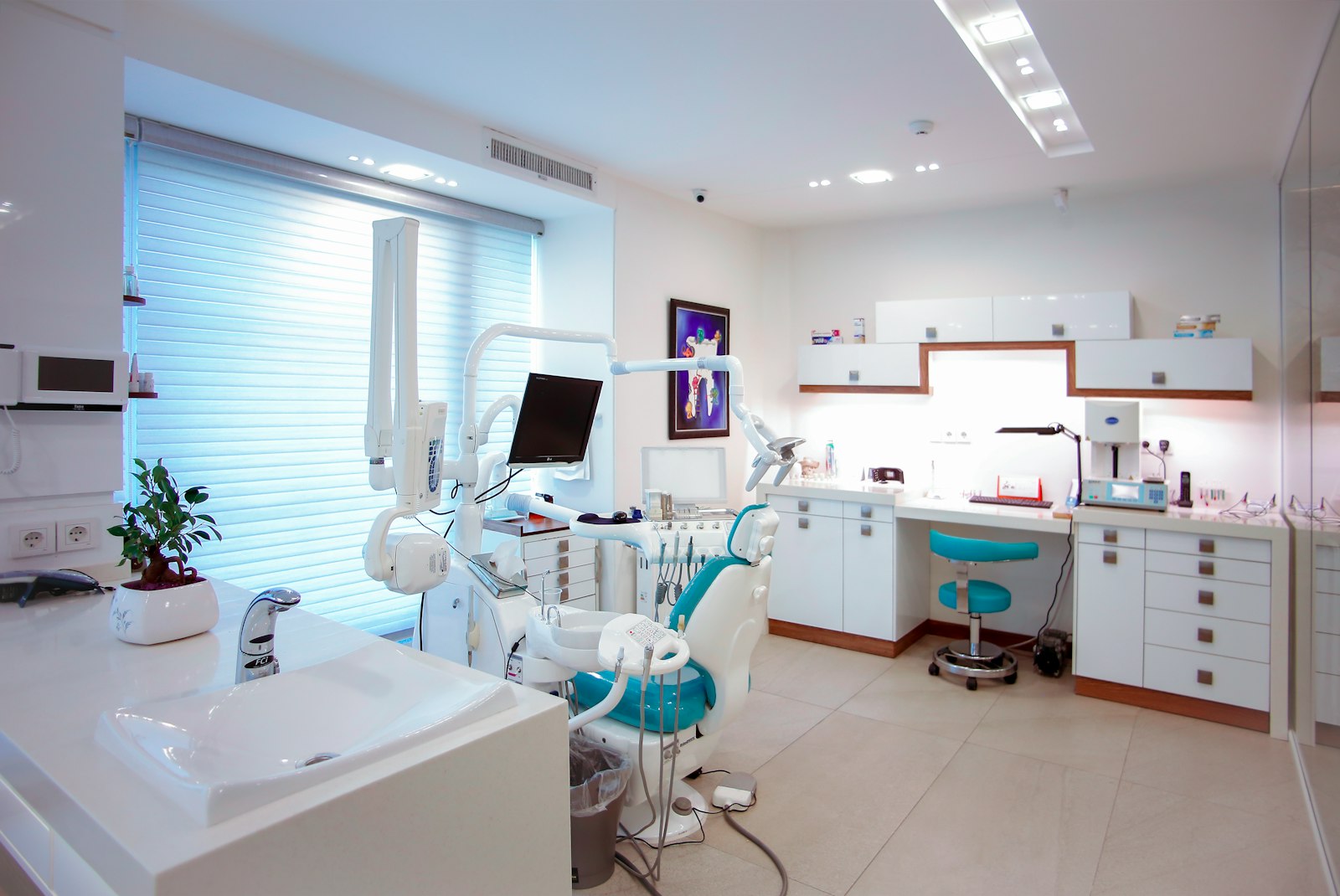
Michigan dental offices generate a combination of regulated medical waste, hazardous amalgam waste, and biohazardous sharps — each governed by a different regulatory framework. Treating dental waste as a single category and routing everything to one disposal stream is one of the most common compliance errors we see in dental practices. The consequences range from EGLE citations with fines up to $25,000 per day to EPA enforcement actions for improper amalgam handling. Here's what Michigan dentists and practice administrators need to know.
What Dental Offices Actually Generate
A typical general dentistry or oral surgery practice generates waste across at least three distinct regulatory categories:
- Regulated Medical Waste (RMW) under Michigan Part 138: sharps (needles, carpules, scalpel blades, orthodontic wires with sharp points), blood-soaked gauze and materials that would release blood if compressed, pathological waste from extractions (teeth with attached soft tissue), and biohazardous materials from patients in isolation. These require licensed EGLE transporter pickup, manifests, and proper container storage.
- Dental amalgam waste under EPA 40 CFR Part 441: Since 2020, all dental offices that place or remove amalgam restorations must install and maintain an ISO 11143-compliant amalgam separator to capture mercury-containing particles before they enter the wastewater system. Amalgam waste collected by the separator, as well as spent amalgam capsules, excess amalgam, and amalgam-contaminated items, must be handled as hazardous waste — NOT as general solid waste or RMW.
- General non-regulated clinical waste: Gloves, masks, paper bibs, and materials not in contact with blood or regulated categories are typically solid waste — not RMW. Misclassifying non-regulated waste as RMW inflates disposal costs; misclassifying regulated waste as general solid waste is a violation.
Part 138 Obligations Specific to Dental Settings
Michigan's Part 138 of the Natural Resources and Environmental Protection Act applies to dental offices just as it does to hospitals and physician offices. The size of the practice does not affect the compliance obligation. Key requirements for dental generators:
- Sharps containers: Needles, carpules (local anesthetic cartridges), orthodontic wires, and scalpel blades must be placed directly into rigid, puncture-resistant, leak-proof sharps containers at the point of generation — not transported loosely through the practice. The container must bear the biohazard symbol, the word "BIOMEDICAL WASTE," and the name and address of the generating facility.
- Storage time limits: RMW stored at room temperature must be removed within 7 days. Most dental offices do not have refrigerated storage, making scheduled pickup service with a licensed transporter essential for compliance. Sharps containers that exceed the fill line or time limit are an immediate violation.
- Manifests: Every off-site transfer of RMW requires a signed manifest. Both the generating practice and the EGLE-licensed transporter sign. Practices must retain manifest copies for 3 years. A missing manifest after a pickup is a compliance gap — follow up with your transporter if a signed copy isn't returned within 30 days.
- Staff training: All staff who handle, package, or manage RMW must be trained on proper containment, labeling, and emergency procedures. Training must be documented.
The OSHA Bloodborne Pathogens Standard in Dental Practice
OSHA's Bloodborne Pathogens Standard (29 CFR 1910.1030) adds requirements on top of Michigan Part 138 for dental offices with employees exposed to blood or other potentially infectious materials. This includes virtually all clinical dental staff. OSHA requirements include:
- A written Exposure Control Plan (ECP) — reviewed and updated annually
- A Sharps Injury Log documenting each needlestick or sharps-related injury
- Annual bloodborne pathogens training for all at-risk employees
- Hepatitis B vaccination offered to all employees with occupational exposure
- Engineering controls — including the use of sharps with built-in injury prevention features where available (Michigan participates in the federal requirement that practices evaluate safer needle options annually)
Dental practices perform a high density of sharps procedures in a small space, which is why sharps handling is where most of a dental office's compliance exposure sits. OSHA's Bloodborne Pathogens standard (29 CFR 1910.1030) governs how those sharps are contained, labeled, stored and disposed of, and it applies to a two-operatory practice exactly as it applies to a hospital. Penalty amounts are set by OSHA and adjusted every year, so check the current schedule rather than working from a figure you read once.
The Amalgam Rule: What Michigan Dental Practices Must Do Now
The EPA's Dental Effluent Guidelines (40 CFR Part 441), which took effect in 2020, require all dental offices that place or remove amalgam to install an ISO 11143-compliant amalgam separator. Practices that existed before July 2017 and use a separator that retains at least 95% of amalgam solids are considered compliant. New practices must install a compliant separator before opening.
The rule also prohibits certain disposal practices that were previously common: amalgam-contaminated waste cannot be flushed into the drain (even through a separator not meeting the standard), and spent amalgam capsules must be managed as hazardous waste, not as solid waste. Practices are required to file a One-Time Compliance Report with their local Publicly Owned Treatment Works (POTW) documenting their separator installation.
Dr. Marko Vujicic, Chief Economist at the American Dental Association and a leading researcher on dental practice compliance, has noted in ADA Health Policy Institute publications that the cost of amalgam separator installation and compliant waste management for a typical general dentistry practice runs $800 to $3,000 over the compliance period — well below the potential penalty exposure for non-compliance, which can include EPA enforcement actions and significant fines from the local POTW. His published research is available at ada.org/resources/research/health-policy-institute.
What to Look for in a Michigan Medical Waste Transporter for Your Dental Practice
Not all licensed transporters understand the specific waste stream a dental practice generates. When evaluating a service provider:
- Active EGLE Part 138 license — verify on the EGLE licensed transporter database, not just the company's own representation.
- Sharps container supply included in the service agreement — compliant containers should be provided and exchanged, not just picked up. A transporter who expects you to source your own containers leaves you managing compliance details that should be their responsibility.
- Separate handling for amalgam waste — a transporter who mixes amalgam waste with RMW is creating a compliance problem for you. Amalgam waste should be handled under a hazardous waste management program, not a Part 138 biomedical waste program.
- Manifest documentation returned within 30 days — this is non-negotiable under Part 138. If your transporter is inconsistent on documentation, that inconsistency becomes your audit exposure.
- Scheduled service frequency that fits your generation rate — a busy practice generating full sharps containers every two weeks should not be on a monthly service schedule that produces 7-day storage violations.
Superior Medical Waste Disposal serves dental practices throughout Michigan, including Wayne, Washtenaw, Macomb, Oakland, and Genesee Counties. We handle regulated medical waste under our EGLE Part 138 license and coordinate amalgam waste management through our hazardous waste partners — ensuring your practice stays compliant across both regulatory streams. Contact us for a practice-specific compliance assessment and service quote.
FAQ
Are extracted teeth regulated medical waste under Michigan Part 138?
It depends. Teeth extracted without any soft tissue attachment (clean, dry extracted teeth) are generally not classified as RMW under Part 138 and may be disposed of as solid waste. However, teeth with significant attached soft tissue (periodontal tissue, blood-soaked root surfaces) qualify as pathological waste and must be handled as RMW. Teeth containing amalgam fillings cannot be returned to the patient or disposed of as solid waste — they require handling as hazardous waste under the EPA amalgam rule. When in doubt, handle as RMW or hazardous waste to avoid any classification error.
What is the fine for an EGLE Part 138 violation in a dental practice?
Michigan EGLE fines for Part 138 violations run from $200 per day for minor administrative violations to $25,000 per day for repeat or serious violations. Common dental office violations — overfilled sharps containers, missing facility labeling, RMW held beyond 7 days at room temperature — typically result in a Notice of Violation with a compliance schedule on first offense. Repeated violations, improper disposal, or failure to use a licensed transporter escalate rapidly in penalty severity.
Do I need a separate license to generate medical waste as a dental practice in Michigan?
No. Michigan Part 138 does not require a generator license for dental offices — it requires that you use a licensed transporter and follow specified storage, labeling, and documentation requirements. The licensing obligation falls on the transporter and treatment/disposal facilities, not the generator. Your obligation is to manage your waste correctly and use only EGLE-licensed transporters for removal.
How often does a typical dental practice need medical waste pickup?
This depends on practice volume and the types of procedures performed. A high-volume general dentistry or oral surgery practice may need bi-weekly or weekly pickup to stay within the 7-day room-temperature storage limit. A low-volume restorative-only practice generating very few sharps may be able to use monthly service with appropriate refrigerated storage. We assess your specific waste generation during a site consultation and recommend a service frequency that keeps you compliant without over-servicing.
Can I ship amalgam waste by mail for disposal?
Some mail-back programs exist for small quantities of amalgam waste (specifically spent amalgam capsules) through EPA small quantity generator provisions. These programs are legitimate for qualifying generators. However, amalgam waste that has been processed through a separator, larger quantities, or amalgam-contaminated items must be managed through a licensed hazardous waste disposal program, not mail-back. Contact us to assess which pathway fits your practice's actual waste types and volumes.