
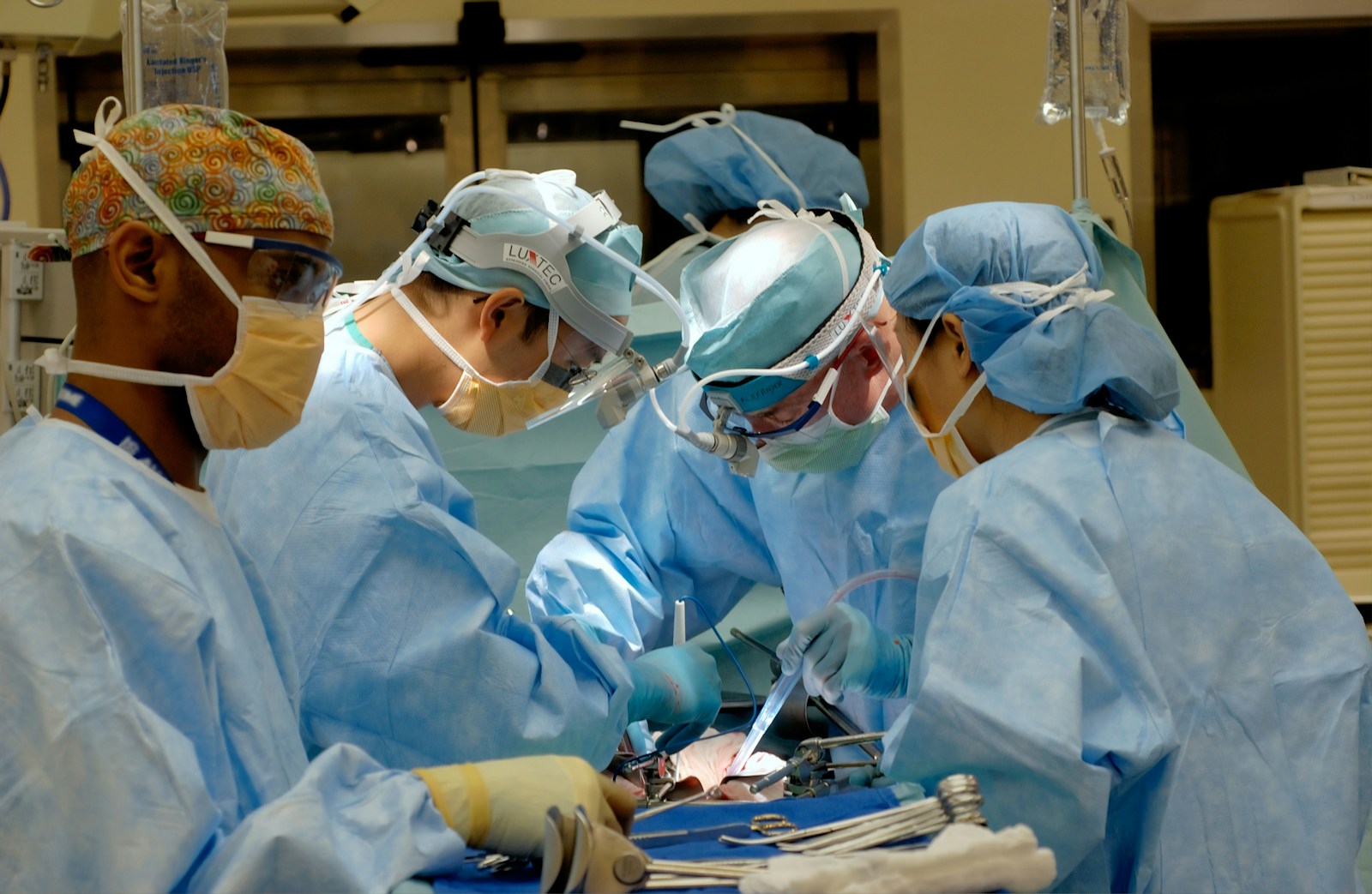
An ambulatory surgery center (ASC) is not a hospital, but it generates regulated waste at a similar pace. Every procedure room produces sharps, biohazardous tissue and blood-contaminated materials, pharmaceutical residuals, and at many centers, pathological waste and controlled substance residuals. The regulatory frameworks that govern each stream were written separately, by separate agencies, and they do not naturally align. That is the compliance challenge: a facility that manages its biohazard waste correctly may still be out of compliance on pharmaceutical disposal, and both issues can show up on the same inspection.
The Waste Streams Surgery Centers Actually Manage
Most ASC administrators think first about regulated medical waste (the red bags and sharps containers) because that is what takes up physical space. But the full inventory of regulated waste in a surgical center typically includes five distinct categories, each with its own handling rules:
- Regulated medical waste (RMW). Blood-saturated materials, wound dressings, surgical sponges, gloves, drapes, IV tubing, and other items contaminated with blood or other potentially infectious materials (OPIM) as defined by OSHA's Bloodborne Pathogens standard (29 CFR 1910.1030). In Michigan, these must be transported by a licensed hauler with a valid Registered Medical Waste Transporter permit from EGLE. Ohio and Indiana have comparable state-administered requirements.
- Sharps waste. Needles, syringes, scalpels, suture needles, and blades. Sharps must go into rigid, puncture-resistant, labeled containers and cannot be placed loose in red bags or regular trash.
- Pharmaceutical waste. Unused or expired medications and medication residuals, including hazardous pharmaceutical waste regulated under RCRA and the EPA's 2019 Healthcare Pharmaceutical Waste Rule, and controlled substance waste regulated separately by the DEA. Flushing hazardous waste pharmaceuticals down the drain is prohibited under that rule.
- Pathological waste. Tissue and anatomical specimens removed during procedures. Pathological waste is classified as regulated medical waste in Michigan, Ohio, and Indiana and must be treated before disposal. Storage requirements typically restrict how long pathological waste may remain on-site.
- Confidential documents. Patient records, billing paperwork, and pre/post-procedure intake forms. HIPAA-regulated documents must be destroyed through certified shredding with a chain of custody and certificate of destruction.
Some centers also generate trace chemotherapy waste if oncology-related procedures are performed — a sixth stream that carries its own DOT and RCRA requirements and requires distinctly labeled yellow containers.
Why Surgery Centers Generate Disproportionate Waste Volume
Surgery centers are operationally concentrated: every room is a procedure room, and every procedure generates waste. According to an American Public Health Association policy brief published in 2023, operating rooms produce about one-third of waste at U.S. healthcare settings that have them — and about two-thirds of that is regulated medical waste. For an ASC, where there are no general inpatient floors, diagnostic labs, or administrative areas generating non-regulated waste at the same volume, the regulated fraction of total waste is even higher.
Sharps exposure risk tracks that same pattern. A 2023 CDC/NIOSH bulletin analyzing Massachusetts sharps injury data from 2002 to 2020 across 89 hospitals found that sharps injuries were consistently highest in the operating and procedure rooms — more than any other department. The bulletin's authors, led by NIOSH Medical Officer Ahmed Gomaa, MD, ScD, MSPH, note that the problem persists despite decades of safety-engineered device adoption, in part because surgical procedures involve multi-person handoffs of sharp instruments under time pressure. An ASC's entire floor plan is the high-risk zone the data describes.
The Compliance Tangle: Different Rules, Different Containers, Different Documentation
Each waste stream requires its own container type, label, and disposal pathway:
- RMW goes in red bags inside rigid, labeled containers, transported under a medical waste manifest.
- Sharps go in DOT-compliant puncture-resistant sharps containers, documented on the same medical waste manifest as RMW.
- Hazardous pharmaceutical waste goes in separate containers, transported under a Uniform Hazardous Waste Manifest (a different form from the medical waste manifest), and must go to a licensed TSDF for incineration.
- Non-hazardous pharmaceutical waste requires compliant disposal through a licensed pharmaceutical waste hauler or DEA-authorized channel, and should be kept out of the RMW stream and the regular trash.
- Controlled substance waste requires DEA-authorized disposal methods, such as a DEA-registered reverse distributor or a DEA-authorized collection receptacle, separate from any other waste stream.
- Documents require shredding under a chain of custody, with a certificate of destruction provided to the facility.
An ASC that works with three or four separate vendors for these streams — one for RMW, one for pharmaceutical waste, one for shredding — multiplies the number of vendor relationships, service schedules, documentation sets, and compliance checkpoints to manage. When an inspection occurs, the administrator has to produce records from all of them.
What a Single-Provider Program Looks Like
Superior Medical Waste Disposal handles all five waste streams from a single service relationship for surgery centers across Michigan, Ohio, and Indiana. Here is how a typical ASC program is structured:
- Initial waste assessment. Before scheduling begins, we assess the center's procedure mix, room count, and current generation volumes to size containers correctly and build a service schedule that matches actual output. A center running 20 procedures a day needs a different setup than one running six.
- Container placement and labeling. We supply and maintain compliant containers for each waste stream at the point of generation: red bags in procedure rooms, sharps containers at every sharps-generation point, pharmaceutical waste containers in medication preparation areas, yellow trace-chemo containers where applicable, and shredding consoles in document-generating areas.
- Scheduled pickups, confirmed in advance. Service happens on a calendar your staff can plan around. When pickup frequency needs to change — procedure volume increases, seasonal fluctuations — we adjust without a contract renegotiation.
- Complete documentation on every pickup. Medical waste manifests for RMW and sharps, Uniform Hazardous Waste Manifests for hazardous pharmaceutical waste, and certificates of destruction for documents. All records are digital and accessible through your service account. Regulators ask for this documentation; having it organized and complete is the difference between a clean inspection and a finding.
- OSHA and compliance training. For staff handling regulated waste at the point of generation, we offer bloodborne pathogen training, DOT hazardous materials awareness, and sharps safety training that satisfies OSHA's annual training requirements and produces the documentation records require.
Frequently Asked Questions
Does a surgery center in Michigan need a separate waste generator registration for each waste stream?
Michigan EGLE requires a Certificate of Registration for facilities generating regulated medical waste, renewed every three years. Hazardous pharmaceutical waste generation is regulated separately under Michigan's Part 111 (hazardous waste program), administered by EGLE as well. A single facility address may have registration obligations under both programs if it generates both RMW and RCRA hazardous pharmaceutical waste. Superior can help your compliance team identify what registrations your center requires and whether they are current.
How often should an ambulatory surgery center schedule medical waste pickup?
Michigan law requires most regulated medical waste to be removed from the facility within 90 days, and most centers remove it far more frequently. An ASC running four to six procedure rooms daily will typically need weekly or bi-weekly RMW and sharps pickup. The right schedule depends on your procedure volume and your container sizing. Overfull containers are one of the leading sources of sharps injuries during waste handling — scheduling to prevent overfill is safer for your staff and reduces compliance risk.
Can we consolidate pharmaceutical waste with our regular medical waste for pickup?
No. Hazardous pharmaceutical waste is regulated under RCRA and requires a separate licensed hazardous waste hauler, a Uniform Hazardous Waste Manifest, and disposal at a permitted TSDF. It cannot go into red bags with general RMW. Non-hazardous pharmaceutical waste also has its own disposal pathway and should be kept out of the RMW stream and the trash. The streams must stay physically separate, documented separately, and disposed of through their own regulated channels.
What documentation do surgery centers need to keep for waste disposal, and for how long?
Federal RCRA regulations require a minimum three-year retention period for Uniform Hazardous Waste Manifests and related waste records. OSHA's Bloodborne Pathogens standard requires retention of training records and exposure incident records, with specific timelines depending on the record type. State regulations in Michigan, Ohio, and Indiana may require longer retention periods than the federal minimums. For medical waste manifests, Michigan generally follows the federal baseline. Keep all records in a single organized compliance file — regulators at EGLE, OSHA, and EPA can each request them independently.
How does Superior Medical Waste Disposal handle controlled substance waste for surgery centers?
Controlled substance waste (Schedule II through V) requires DEA-authorized disposal — standard pharmaceutical waste procedures are not sufficient. Superior coordinates with DEA-authorized disposal channels to help your facility meet both RCRA pharmaceutical waste requirements and DEA regulations under a single service relationship. If your ASC is a DEA registrant, we can walk your compliance officer through the options and documentation requirements. Call (734) 656-8843 or reach out through our contact page to discuss your center's specific situation.
Simplify Your Surgery Center's Waste Program
Managing multiple waste streams through separate vendors is manageable when everything goes smoothly and becomes a serious problem when one vendor misses a pickup, a manifest goes missing, or an inspector asks for documentation you cannot locate quickly. A single-provider program for all regulated waste streams means one contact, one service schedule, one documentation system, and one point of accountability.
Superior Medical Waste Disposal is a licensed medical waste hauler serving ambulatory surgery centers across Michigan, Ohio, and Indiana. Our CEO, Gerald Belanger, was named to Waste360's 40 Under 40 in 2023, and Superior was featured on the cover of Waste Today in October 2024. To discuss a multi-stream waste program for your facility, call (734) 656-8843 or contact us through the Superior Medical Waste Disposal contact page.