Introduction
The management of amalgam waste in healthcare settings is a critical issue, particularly due to the environmental risks linked to improper disposal. Dental practices play a significant role in mercury pollution, making it essential to understand and implement effective waste management strategies. Healthcare facilities must navigate stringent regulations while safeguarding public health and the environment. This article examines best practices for amalgam waste management, offering actionable insights to help mitigate the harmful effects of this hazardous material.
Understand Amalgam Waste: Definition and Importance in Healthcare
Composite refuse consists of remnants from dental composite, a commonly used filling material that contains approximately 50% mercury, along with silver, tin, and copper. Proper handling of amalgam waste is crucial due to its significant environmental impact; improper disposal can lead to mercury pollution in water systems, posing serious threats to public health and local ecosystems.
In the United States, dental practices are recognized as the primary source of mercury discharges to publicly-owned treatment works (POTWs), with amalgam waste contributing over 8 tons of mercury to sewers, streams, and lakes each year. This mercury can persist in the environment for centuries, endangering both wildlife and human health. Additionally, individuals with dental fillings excrete more than ten times the amount of mercury in their feces compared to those without, further exacerbating the issue.
Therefore, it is vital for healthcare providers to understand the composition and risks associated with amalgam waste in dental material refuse. Implementing effective disposal management strategies not only ensures compliance with environmental regulations, such as those established by the Ohio EPA, which recommends that all infectious materials, including amalgam waste, be sent to a commercial treatment facility, but also protects community health by mitigating the harmful effects of mercury pollution.
As the ecological impact of amalgam waste disposal continues to be studied, the importance of appropriate disposal techniques becomes increasingly clear. This includes adopting best management practices (BMPs) and utilizing alloy separators to minimize the release of amalgam waste, as mandated by the U.S. EPA. Furthermore, understanding the autoclaving process, which is the preferred treatment method for medical refuse in Ohio, is essential for compliance and effective management.

Navigate Regulatory Compliance: Key Standards for Amalgam Waste Management
Healthcare facilities are required to comply with stringent regulations concerning the management of materials that include amalgam waste, primarily set forth by the Environmental Protection Agency (EPA) and local health departments. The EPA’s Dental Effluent Guidelines mandate that dental practices install separators capable of capturing at least 95% of materials before they enter the wastewater system. This requirement is part of a broader initiative aimed at reducing mercury emissions, with the EPA estimating that compliance will lead to an annual decrease of 5.1 tons of mercury and 5.3 tons of other metals from dental material disposal.
In addition to installing alloy separators, dental facilities must maintain comprehensive records of their management practices. Proper documentation is vital for demonstrating compliance and reducing the risk of environmental contamination. Furthermore, dental waste must be disposed of through certified recycling programs to ensure safe and responsible handling. Dental offices should also consult their Control Authority to identify the appropriate report form and confirm adherence to the correct procedures. It is essential that dental offices refrain from discharging scrap amalgam waste or using certain types of line cleaners, as these practices are critical for compliance and help mitigate environmental contamination.
Moreover, establishments generating any amount of medical refuse must obtain a Certificate of Registration, which is valid for three years, with registration fees ranging from $50 to $150 depending on the type of establishment. All medical waste-generating facilities are legally obligated to have their sharps and biohazard materials removed from their premises every 90 days or less, regardless of the quantity produced.
Understanding and adhering to these regulations not only promotes environmental sustainability but also protects the establishment from potential legal and financial repercussions associated with non-compliance. Superior Medical Disposal offers expert medical management solutions, including assistance with compliance, classification, and safe disposal services tailored for dental practices. The successful implementation of these practices is crucial for maintaining operational integrity and safeguarding public health.

Implement Safe Disposal Practices: Strategies for Effective Amalgam Waste Management
To effectively manage amalgam waste, healthcare facilities should adopt several key practices:
-
Install Separator Devices: It is essential to install separator devices that comply with ISO 1114. Amalgam waste is a significant concern for dental practices in dental units. These devices capture debris at the source and must achieve at least a 95% removal efficiency as mandated by the EPA, significantly reducing environmental contamination.
-
Use Chairside Traps: Implementing chairside traps is crucial for gathering dental material during procedures. Regular replacement of these traps is necessary to maintain their efficiency and prevent refuse from entering the drainage system, ensuring compliance with local, state, and federal regulations.
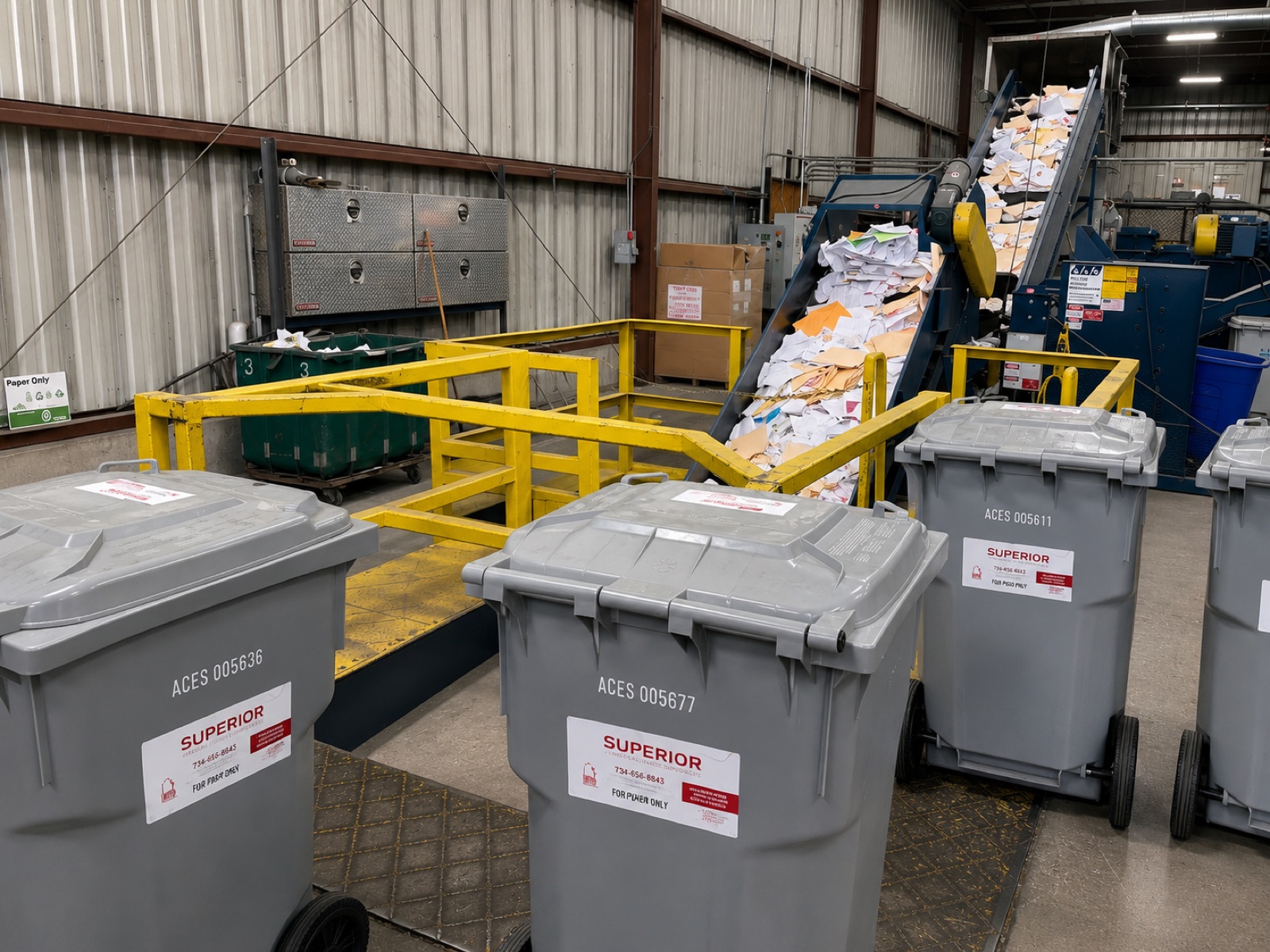
Amalgam waste is a significant concern for dental practices. Proper storage of amalgam waste requires it to be kept in clearly labeled, airtight containers specifically designed for hazardous waste. This practice prevents leakage and contamination, ensuring adherence to regulatory standards. Superior Medical Waste Disposal offers specialized containers tailored to your establishment’s needs, promoting safe storage. Additionally, it is important to retain digital shipping documents provided by Superior Medical Waste Disposal, which track the waste from collection to treatment, ensuring accountability and compliance.
- Regular Maintenance: Establishments should schedule routine inspections and maintenance of alloy separators and traps. Regular checks are vital to ensure these systems function effectively and to avoid potential fines for non-compliance. Partnering with Superior Medical Waste Disposal can provide your establishment with the necessary support and expertise to uphold compliance and ensure safe disposal practices.
By implementing these strategies, healthcare facilities can significantly mitigate the environmental impact of composite refuse while adhering to regulatory standards, thereby enhancing both public health and environmental sustainability.

Enhance Staff Training: Educate on Amalgam Waste Management Protocols
Efficient alloy disposal management hinges on comprehensive employee education. Healthcare facilities must implement the following training strategies:
-
Regular Training Sessions: Conduct sessions that emphasize the importance of proper disposal of amalgam waste, relevant regulations, and best practices. This foundational knowledge is essential for compliance and safety.
-
Role-Specific Training: Tailor training programs to the specific roles within the organization, ensuring that all staff members understand their responsibilities regarding waste management. This focused approach enhances accountability and effectiveness.
-
Documentation and Record-Keeping: Maintain detailed records of training sessions and participant attendance to demonstrate compliance with regulatory requirements. This practice not only fulfills legal obligations but also reinforces the organization’s commitment to safety.
-
Continuous Education: Promote ongoing education about updates in regulations and best practices to keep staff informed and engaged. Regular refresher courses can significantly mitigate the risk of non-compliance and improve operational efficiency.
Investing in employee training not only boosts compliance but also reduces risks associated with improper disposal of materials, fostering a culture of environmental responsibility within healthcare settings. Well-trained staff are vital for minimizing the environmental impact of amalgam waste and ensuring adherence to the EPA’s Dental Amalgam Rule, which mandates that dental practices capture at least 95% of amalgam particles to prevent contamination of wastewater systems. Superior Medical Waste Disposal is available to assist your facility with expert guidance and compliant waste management solutions.

Conclusion
Effective management of amalgam waste in healthcare is essential not only for regulatory compliance but also for safeguarding environmental and public health. By comprehensively understanding the composition and risks associated with amalgam waste, healthcare facilities can adopt practices that significantly mitigate the environmental impact of dental materials. Implementing proper disposal techniques, such as utilizing alloy separators and maintaining thorough records, ensures adherence to environmental standards while protecting community health.
This article highlights several key strategies for effective amalgam waste management. These include:
- The installation of separator devices
- Regular training for staff
- Strict adherence to regulatory requirements
Collectively, these practices play a crucial role in minimizing mercury pollution and enhancing operational integrity within dental practices. Moreover, ongoing education and role-specific training empower staff to take ownership of waste management, fostering a culture of environmental responsibility.
Ultimately, prioritizing amalgam waste management is vital for the protection of ecosystems and public health. Healthcare facilities are urged to take proactive measures in implementing these best practices, not only to meet regulatory obligations but also to contribute to a sustainable future. By embracing these strategies, the healthcare sector can lead in responsible waste management, ensuring that the impact of amalgam waste is minimized while promoting a healthier environment for all.
Frequently Asked Questions
What is amalgam waste in healthcare?
Amalgam waste consists of remnants from dental composite, primarily used as a filling material, which contains around 50% mercury, along with silver, tin, and copper.
Why is proper handling of amalgam waste important?
Proper handling is crucial due to the significant environmental impact; improper disposal can lead to mercury pollution in water systems, posing serious threats to public health and local ecosystems.
How much mercury do dental practices contribute to the environment?
Dental practices in the United States are the primary source of mercury discharges to publicly-owned treatment works (POTWs), contributing over 8 tons of mercury to sewers, streams, and lakes each year.
What are the health implications of amalgam waste?
Mercury from amalgam waste can persist in the environment for centuries, endangering wildlife and human health. Individuals with dental fillings excrete more than ten times the amount of mercury in their feces compared to those without fillings.
What regulations exist regarding the disposal of amalgam waste?
Healthcare providers must comply with environmental regulations such as those established by the Ohio EPA, which recommends sending all infectious materials, including amalgam waste, to a commercial treatment facility.
What practices can help manage amalgam waste effectively?
Implementing best management practices (BMPs) and utilizing alloy separators can minimize the release of amalgam waste. Understanding the autoclaving process is also essential for compliance and effective management.
What is the preferred treatment method for medical refuse in Ohio?
The preferred treatment method for medical refuse in Ohio is autoclaving.